Skip to content
Seychelles

The oldest islands on earth. Still the most beautiful.

View Seychelles Safaris
The Country

What we know
about Seychelles.

The Seychelles archipelago sits in the Indian Ocean eight hundred kilometres northeast of Madagascar — a scatter of one hundred and fifteen islands, some granite and ancient, some coral and barely above sea level, each with its own character and its own argument for why it deserves more time than the average itinerary gives it. The granite islands of the inner archipelago — Mahé, Praslin, La Digue — are the oldest oceanic islands on earth, remnants of the Gondwana supercontinent that broke apart ninety million years ago and left these granitic outcrops stranded in the Indian Ocean while the surrounding seafloor spread away from them. Their age explains their endemic species: the coco de mer palm, which produces the largest seed in the plant kingdom; the Seychelles giant tortoise; the black parrot found only in Praslin’s Vallée de Mai. Islands this old and this isolated accumulate biological distinctiveness the way old places accumulate history.

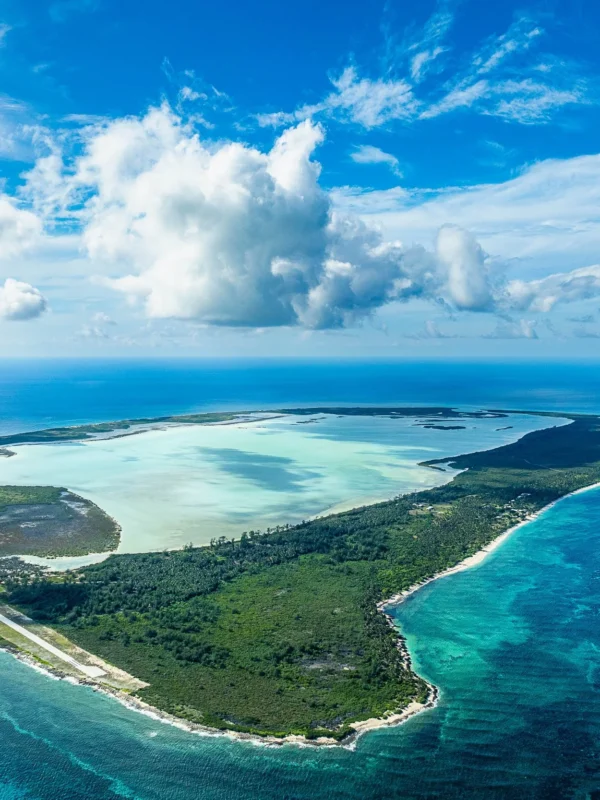
The outer islands — the Amirantes, the Farquhar Group, the Aldabra Atoll — are a different Seychelles entirely. Aldabra, the world’s second-largest coral atoll and a UNESCO World Heritage Site, holds a hundred and fifty thousand giant tortoises — the largest population on earth — alongside nesting frigatebirds, green turtles, and a marine ecosystem of a quality that the more visited inner islands cannot match. Desroches and Alphonse, in the Amirantes group, offer some of the finest flats fishing in the world — bonefish, permit, triggerfish, and milkfish on expanses of white sand flat that extend for kilometres around the islands’ coralline perimeters. The outer islands are remote by design and accessible by charter flight only, which is precisely what has kept them as they are.

The Seychelles works in the context of this collection as the coastal complement to the mainland safari — the place where the bush gives way to warm water, coral reefs, and a pace of life that the intensity of the game drive does not provide. A week in the bush followed by four or five nights on a private island in the Amirantes is not a compromise between two different holidays; it is a single journey whose two halves produce a completeness that neither achieves alone. The Seychelles is also, independently, one of the finest marine destinations in the world — the snorkelling and diving across the inner and outer islands combines reef, pelagic, and mangrove ecosystems that the Indian Ocean produces at its most intact, and the fishing in the outer atolls is of a quality that fly fishers travel from every continent specifically for.

Extraordinary Safaris extends its approach to the Seychelles with the same philosophy that governs the mainland itineraries — small properties, private islands, and experiences designed around the specific character of each island group rather than a generic Indian Ocean beach holiday. The Seychelles rewards the visitor who moves between islands, who spends at least one night in the outer archipelago, and who arrives with enough time to understand that what they are looking at — the granite boulders, the endemic palms, the turquoise water, the giant tortoises — is genuinely unlike anything else on earth.

Africa Kenya Tanzania Rwanda South Africa Zimbabwe Zambia Botswana Seychelles SEYCHELLES Seychelles Indian Ocean Islands
The Regions

Where to go
in Seychelles.

Mahé & the Inner Islands

Mahé & the Inner Islands

Victoria, Beau Vallon, Morne Seychellois National Park, Sainte Anne Marine Park

The largest and most populated of the Seychelles islands, holding the capital Victoria, the country's main international airport, and the Morne Seychellois National Park — three thousand hectares of granite mountain, cloud forest, and endemic vegetation covering the island's interior. Mahé is the practical gateway to the archipelago rather than its finest offering, but the beaches of the southwest coast — Petite Anse, Anse Intendance, Anse Soleil — are outstanding, and the Sainte Anne Marine Park offshore offers snorkelling of excellent quality within thirty minutes of the airport.

Praslin & Curieuse

Praslin & Curieuse

Vallée de Mai, Anse Lazio, Anse Georgette, Curieuse Island

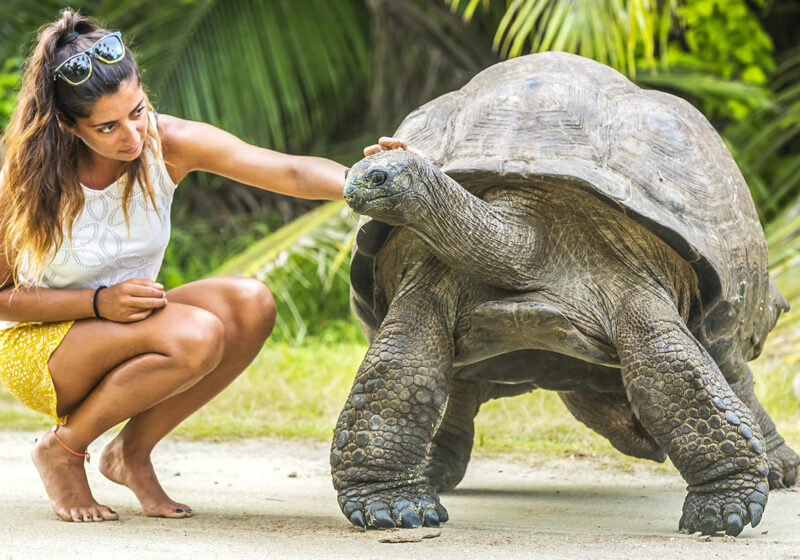
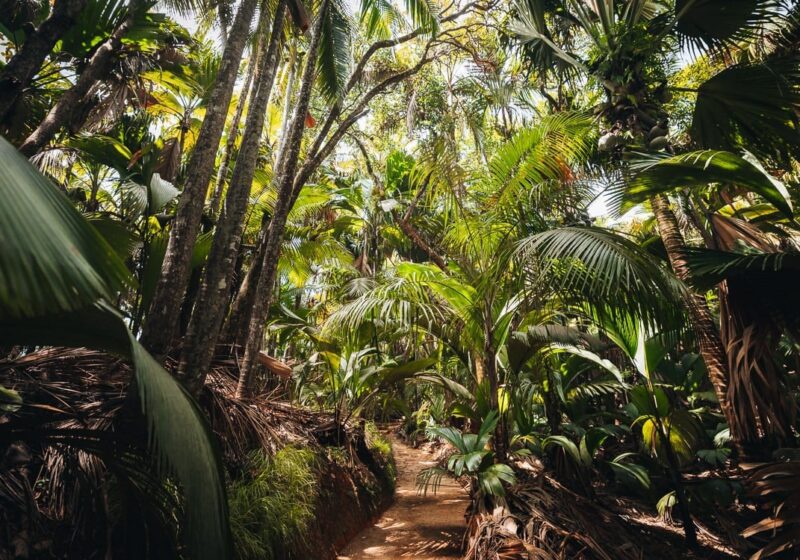
The second-largest island and the most immediately beautiful of the inner group — the Vallée de Mai UNESCO World Heritage Site holding the world's only wild coco de mer forest, its enormous double-lobed seeds falling through a canopy of endemic palms that has been growing undisturbed since before humans arrived in the archipelago. Anse Lazio on the island's north coast is consistently rated among the world's finest beaches. Curieuse Island, a thirty-minute boat ride from Praslin, holds a wild Aldabra giant tortoise population and a mangrove ecosystem of outstanding ecological health.

La Digue & the Granite Islands

La Digue & the Granite Islands

Anse Source d'Argent, Grand Anse, Félicité, Cocos Island

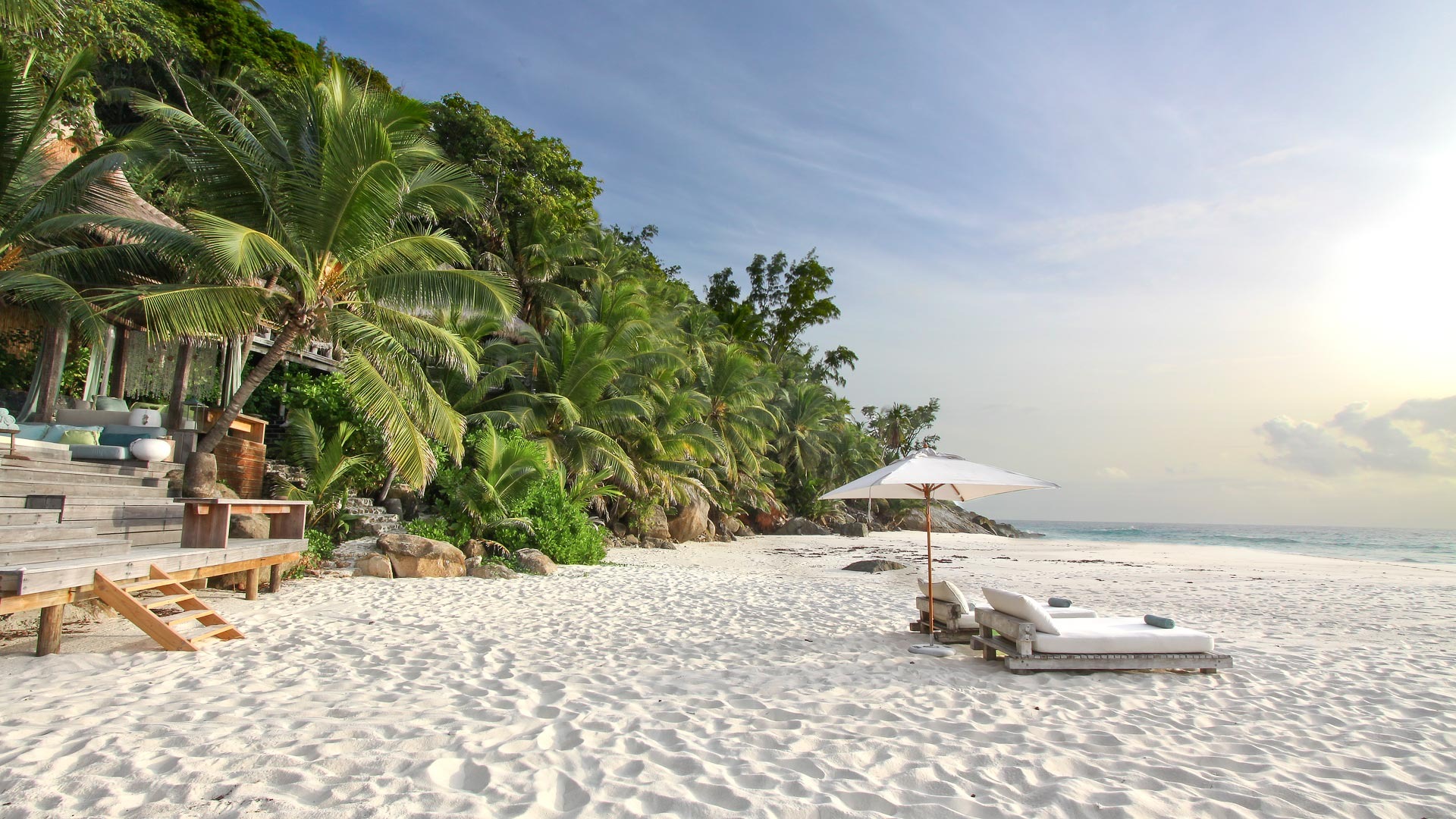
The third-largest inner island and the one most associated with the image of the Seychelles that has appeared on more travel magazine covers than any other — the granite boulders of Anse Source d'Argent, smooth and pink-grey, rising from shallow turquoise water against a palm-fringed beach. La Digue is small enough to explore by bicycle, quiet enough to feel genuinely unhurried, and surrounded by small granite islands — Félicité, Grande Soeur, Petite Soeur — whose reef systems offer some of the finest snorkelling in the inner archipelago.

Alphonse & the Amirantes

Alphonse & the Amirantes

Alphonse Island, St. François Atoll, Bijoutier

A remote coral atoll four hundred kilometres southwest of Mahé, accessible by charter flight and holding one of the world's finest fly fishing destinations alongside an exceptional reef dive and snorkelling programme. The flats around Alphonse and the adjacent St. François Atoll hold bonefish, permit, triggerfish, giant trevally, and milkfish in a pristine marine environment that the Amirantes' remoteness has preserved in a condition the inner islands cannot match. Non-fishing partners are catered for by the island's dive and snorkel operation, which accesses reef and channel sites of outstanding quality

Desroches & the Southern Amirantes

Desroches & the Southern Amirantes

Desroches Island, Poivre Atoll, Etoile

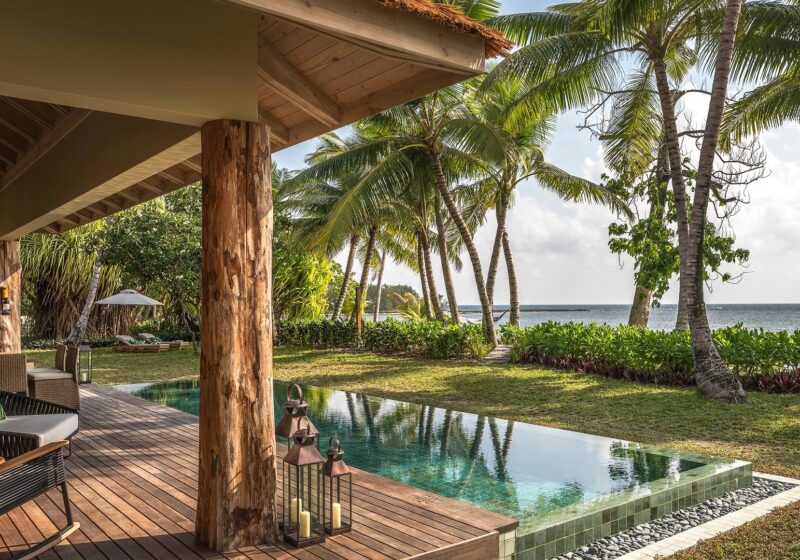
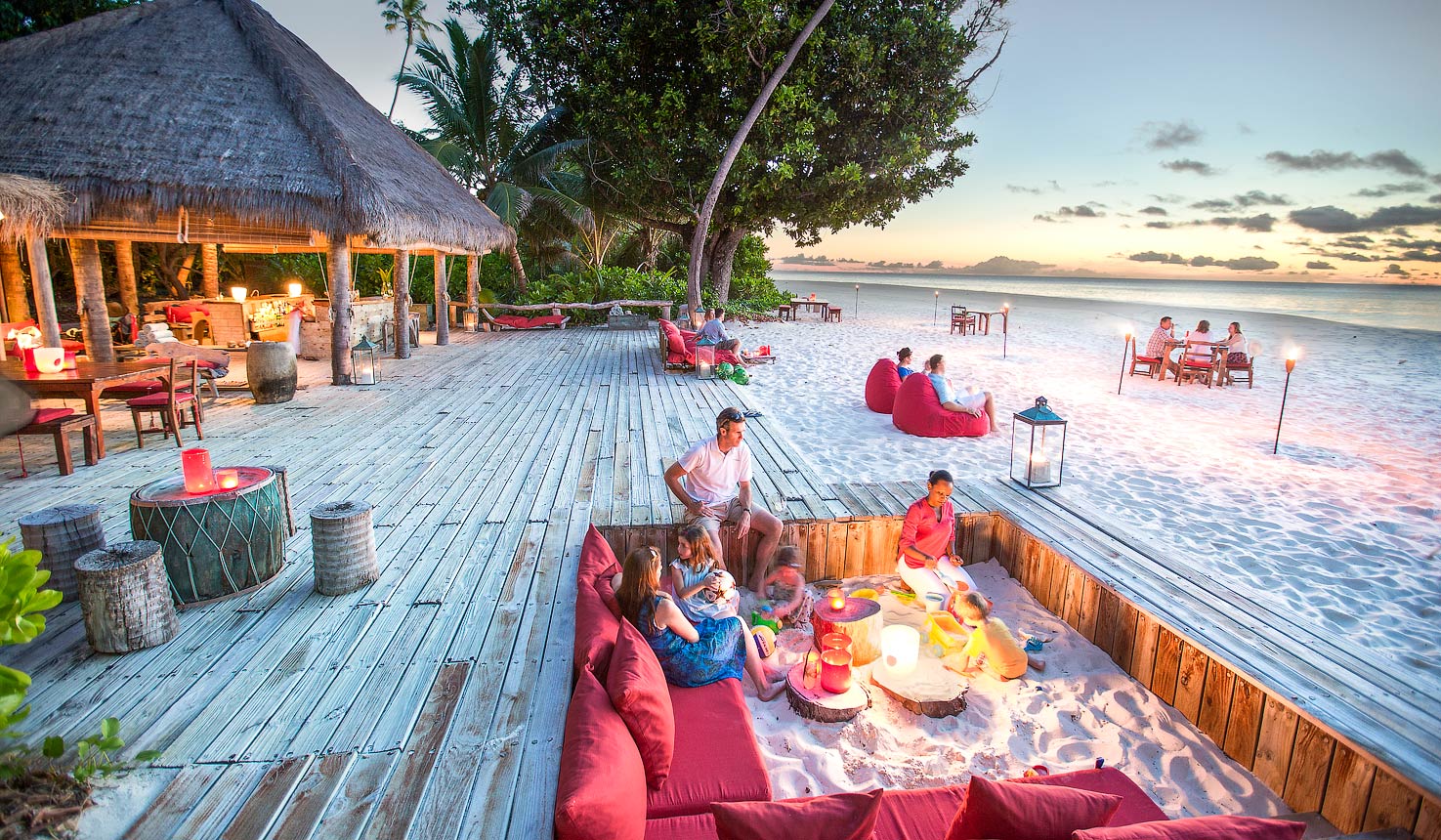
A long, low coral island three hundred and fifty kilometres southwest of Mahé, surrounded by a house reef of exceptional quality and holding the Desroches Island Resort — one of the finest small island properties in the Indian Ocean. The fishing here is exceptional, the diving across the island's channel and outer reef outstanding, and the combination of complete seclusion with a level of service and cuisine that the remote location belies makes Desroches the standard recommendation for visitors who want the outer Seychelles experience at its most comfortable.

Aldabra Atoll

Aldabra Atoll

Grand Terre, Picard, Polymnie, Malabar

The world's second-largest coral atoll and a UNESCO World Heritage Site — a remote, largely inaccessible paradise four hundred and fifty kilometres southwest of Mahé holding a hundred and fifty thousand Aldabra giant tortoises, nesting green and hawksbill turtles, a frigatebird colony of several thousand individuals, and a marine ecosystem of extraordinary health and diversity. Aldabra is accessible only by liveaboard vessel or by special research permit — its very inaccessibility is the conservation mechanism that has kept it as it is — and a visit here is among the most exclusive wildlife experiences on earth.

The Journeys

Our Seychelles
safaris.

Seychelles safaris are being added. Check back shortly.

Wildlife Parks

Where the animals
actually are.

Wildlife parks for this destination are being added.

Beyond the Safari

What else
Seychelles offers.

The experiences worth adding, or booking on their own. Wine country, scenic railways, cultural encounters — the parts of the country that most itineraries skip.

1 / 6
Desroches Island — House Reef & Complete Seclusion Scenic

Desroches Island — House Reef & Complete Seclusion

Desroches Island, Amirantes Group, Seychelles

Three hundred and fifty kilometres from anywhere. The reef begins at the beach.

Learn more
Giant Tortoise Encounter — Curieuse Island Adventure

Giant Tortoise Encounter — Curieuse Island

Curieuse Island, Praslin, Seychelles

Two hundred and fifty wild tortoises on an island you reach by boat.

Learn more
Snorkelling the Inner Island Reefs Scenic

Snorkelling the Inner Island Reefs

Praslin, La Digue & surrounding granite islands, Seychelles

No certification required. Just a mask, the water, and what lives in it.

Learn more
Aldabra Atoll — Giant Tortoises & Pristine Reef Adventure

Aldabra Atoll — Giant Tortoises & Pristine Reef

Aldabra Atoll, Outer Seychelles

A hundred and fifty thousand giant tortoises. Almost no visitors.

Learn more
Fly Fishing — Alphonse & St. François Atoll Adventure

Fly Fishing — Alphonse & St. François Atoll

Alphonse Island & St. François Atoll, Seychelles

The finest saltwater flats fishing on earth. Full stop.

Learn more
Vallée de Mai — The Original Coco de Mer Forest Scenic

Vallée de Mai — The Original Coco de Mer Forest

Vallée de Mai, Praslin, Seychelles

The only place on earth where coco de mer palms grow wild.

Learn more
The Sanctuaries

Where we stay
in Seychelles.

Sanctuaries for this destination are being added.

Planning

When to go
to Seychelles.

April – May & October – November: The Transition Seasons
The finest weather windows in the Seychelles — the periods between the two monsoons when the trade winds ease, the sea flattens, and both the inner and outer islands are accessible without the swell and wind that the monsoon months bring. Visibility in the water is at its best. The outer atolls are most reliably reached. Temperatures are warm without the humidity of the northwest monsoon. These are the months that experienced Seychelles travellers prioritise.

May – September: The Southeast Trade Wind Season
The drier, cooler season across the inner islands — Mahé, Praslin, and La Digue are at their most comfortable, the humidity lower and the skies clearer than the northwest monsoon period. The southeast swell affects the outer atolls’ accessibility and some beaches on the exposed southern shores. The Alphonse and Amirantes fishing season runs May to October — the premier window for bonefish and permit on the flats.

October – April: The Northwest Monsoon
The warmer, more humid season — the inner islands receive more rainfall but remain beautiful and visitable throughout. The northwest monsoon brings calmer conditions to the outer atolls’ western shores. The sea temperature is at its highest, making marine activities comfortable without a wetsuit. Some outer island properties close between January and March for maintenance.

Practical Notes

Getting There
Seychelles International Airport on Mahé (SEZ) is the archipelago’s only international gateway, connecting to Dubai, Doha, Nairobi, Johannesburg, London, Paris, and Frankfurt on Emirates, Qatar Airways, Kenya Airways, and Air Seychelles. Flying time: London approximately 9.5 hours direct on British Airways or via Dubai. Onward connections to the inner islands are by inter-island ferry or domestic flight; the outer islands are reached by charter light aircraft from Mahé.

Getting Around
Mahé to Praslin: 15 minutes by domestic flight or 45 minutes by high-speed ferry. Praslin to La Digue: 15 minutes by inter-island schooner. Outer islands: charter light aircraft from Mahé, typically 1–2 hours depending on destination. The outer island properties manage all logistics from Mahé and include the charter flight in the accommodation package. We coordinate all inter-island movements as part of every Seychelles itinerary.

Visas & Entry
Seychelles operates a visa-on-arrival system for all nationalities — no advance application required. Visitors receive a visitor’s permit on arrival valid for the duration of their confirmed accommodation. The process is efficient and straightforward at Mahé airport.

Currency
Seychellois Rupee (SCR). US Dollars, Euros, and British Pounds are widely accepted at resorts and hotels, which operate on a full-board or all-inclusive basis for most outer island properties. Credit cards accepted at all major resorts. ATMs available on Mahé, Praslin, and La Digue.

Health
The Seychelles is malaria-free — no anti-malarial medication required. No vaccinations are compulsory for entry. The water is safe to drink on the main islands. Sun protection and reef-safe sunscreen are the primary health considerations; the equatorial sun is intense year-round.

Seychelles questions

What people ask
about Seychelles.

It fits most naturally as the coastal close to a mainland East or southern Africa safari — five to seven nights in the Seychelles after the bush, combining the intensity of the game drive experience with the restorative quality of warm water, reef snorkelling, and genuine seclusion. The routing is straightforward: most East African safari destinations connect to Nairobi, and Nairobi connects directly to Mahé. We build the Seychelles component with the same specificity as the safari — selecting islands and properties that match the pace and character the guest is looking for rather than defaulting to the most obvious options.

The inner islands — Mahé, Praslin, La Digue — are granite, ancient, and relatively accessible. They offer the endemic species, the famous beaches, and the cultural life of the Seychelles in a setting that is beautiful but increasingly visited. The outer islands — Alphonse, Desroches, Aldabra — are coral atolls, remote, and accessible only by charter flight or liveaboard. They offer a level of seclusion, marine quality, and ecological health that the inner islands cannot match. A properly constructed Seychelles itinerary combines both — inner islands for the endemic land species and granite landscape, outer islands for the marine experience and the solitude.

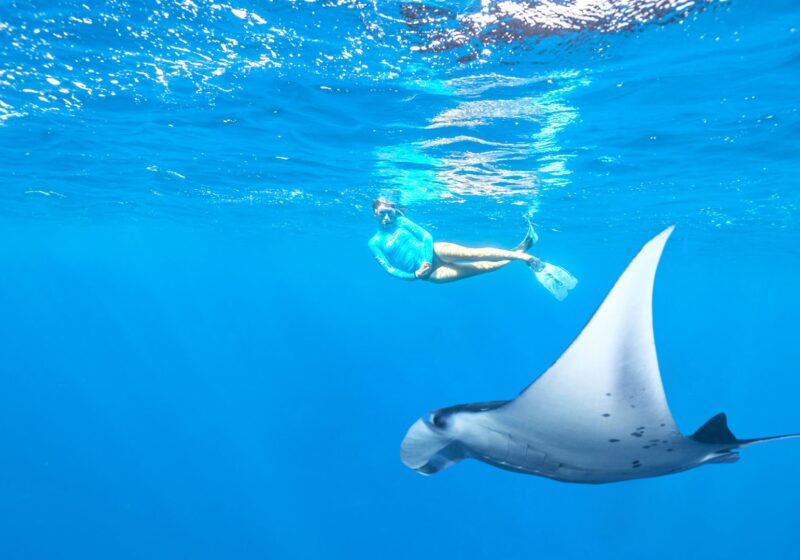
Entirely. The snorkelling across both the inner and outer islands is exceptional and requires no certification or prior experience — the house reefs at most outer island properties are accessible directly from the beach and hold marine life of a quality that competes with the best dive sites elsewhere in the Indian Ocean. Beyond the water, the inner islands offer forest walks, endemic species encounters, giant tortoise visits, and the specific pleasure of a landscape that rewards walking and cycling at a pace that neither the bush nor the beach entirely provides.

The transition seasons — April to May and October to November — offer the finest weather conditions across both the inner and outer islands. The southeast trade wind season from May to September is excellent for the inner islands and for the Alphonse flats fishing. The northwest monsoon from October to April brings warmer water temperatures and calmer conditions to the outer atolls' western shores. There is no bad time to visit the Seychelles — the question is which combination of activities and islands you are optimising for, and we match the timing accordingly.

Scale, age, and inaccessibility. Aldabra is the world's second-largest coral atoll, a UNESCO World Heritage Site, and one of the last truly pristine marine ecosystems on earth — protected not by active conservation management so much as by the distance and logistical difficulty that has kept most of the world from reaching it. The hundred and fifty thousand giant tortoises that graze its interior represent the largest such population anywhere, and the marine life across the atoll's lagoon and outer reef is of a quality that the more accessible Indian Ocean destinations have not retained. A visit to Aldabra is not a beach holiday. It is an expedition to one of the last places on earth that genuinely has not been changed by the fact of being visited.

Seychelles

The Seychelles closes a safari the way nothing else does. Let's add it to yours.

Or message us on WhatsApp