
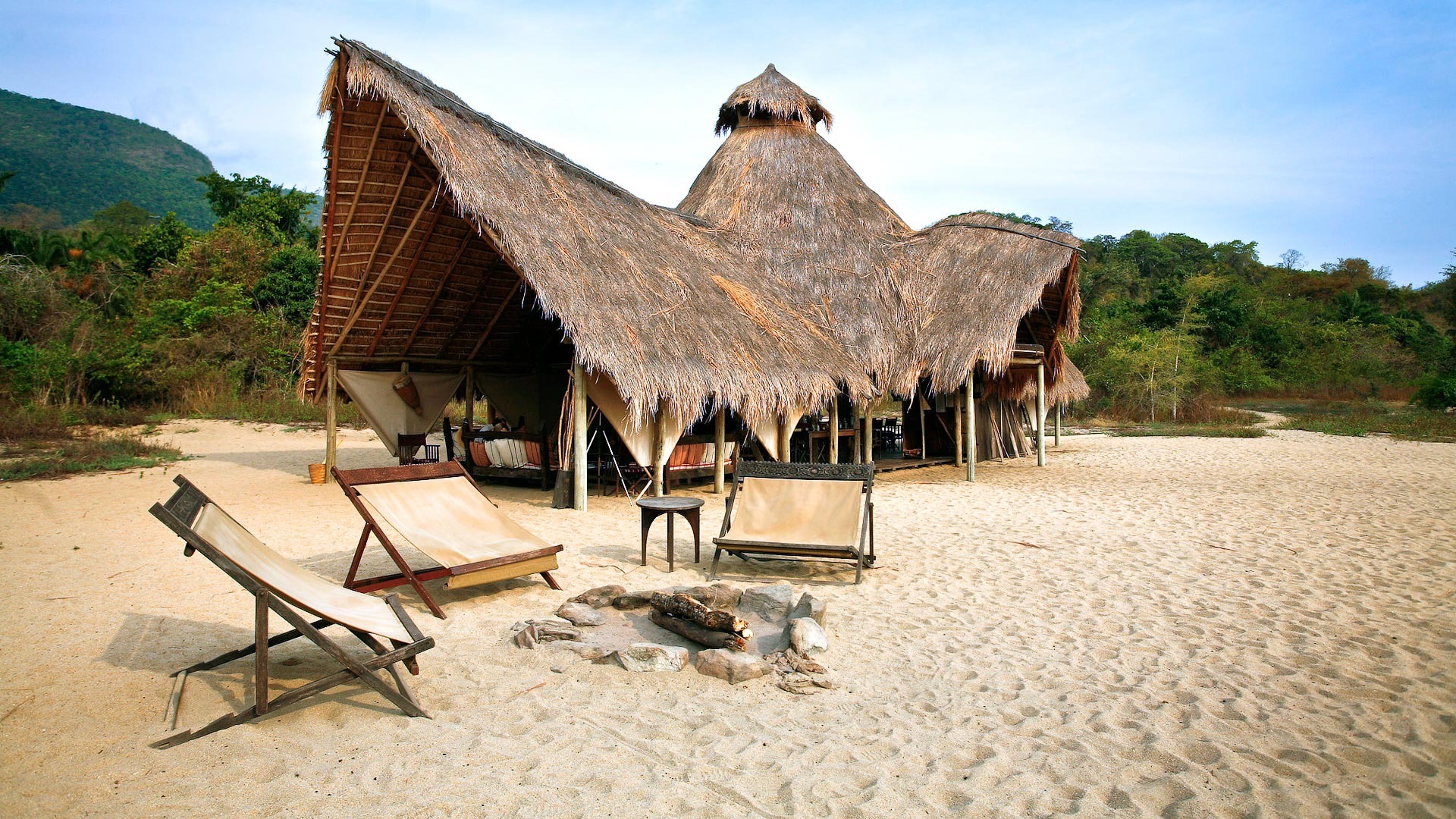
What we know
about Tanzania.
Tanzania is where Africa’s wild places have survived at their most complete. The Serengeti alone covers nearly fifteen thousand square kilometres of open savannah, older than the word for it, older than the borders that surround it, running on the same seasonal logic it has followed for two million years. But Tanzania is not one landscape. It is six or seven, each with its own character, its own light, its own argument for why you should stay longer.
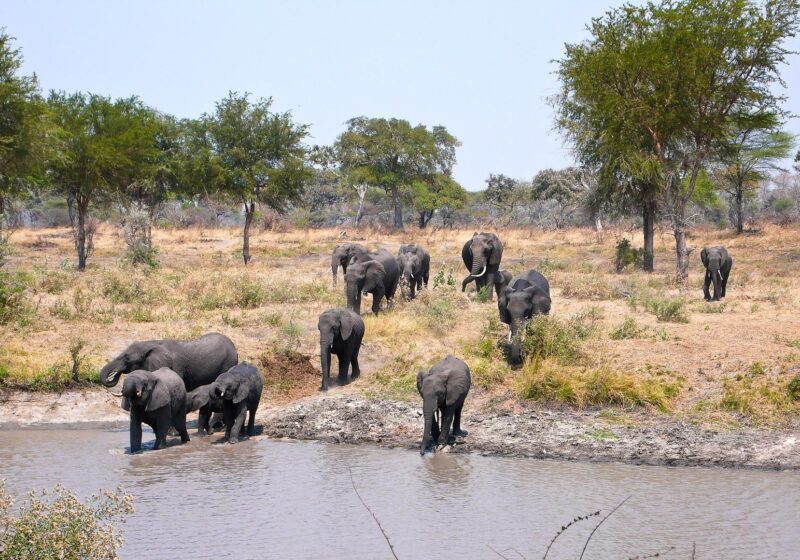
The Southern Circuit (Ruaha, the Selous, Katavi) is what Tanzania looks like before the tourist brochures got to it. Ruaha is Africa’s largest national park by UNESCO’s definition, holding more lions than almost anywhere on the continent and an elephant density that would have seemed impossible twenty years ago, given what poaching did to populations here. The Selous, now partly renamed the Nyerere National Park, spreads across an area larger than Switzerland. You can spend a week in either and not repeat a morning.
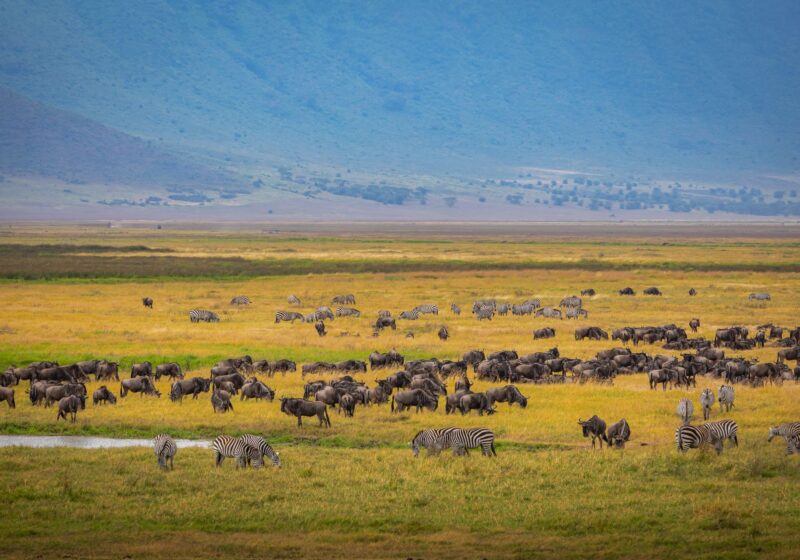
To the north, the Ngorongoro Crater offers something different entirely: a collapsed volcanic caldera twelve kilometres across, holding a self-contained ecosystem that includes the highest density of lions on earth and one of Africa’s last viable black rhino populations. The crater is small enough to cover in a single long day, which means it is almost always combined with the Serengeti, but the two places are nothing alike, and the contrast between open plain and enclosed green bowl is one of the more arresting transitions in African travel.
Off the mainland, Zanzibar and the Pemba Channel add a dimension that Tanzania alone among East African destinations offers: world-class snorkelling and diving, Swahili old towns, and warm Indian Ocean water within two hours of the Serengeti airstrip. Tanzania is the country that most rewards the traveller willing to move beyond the obvious. It has more to give than one itinerary will ever exhaust.
Where to go
in Tanzania.
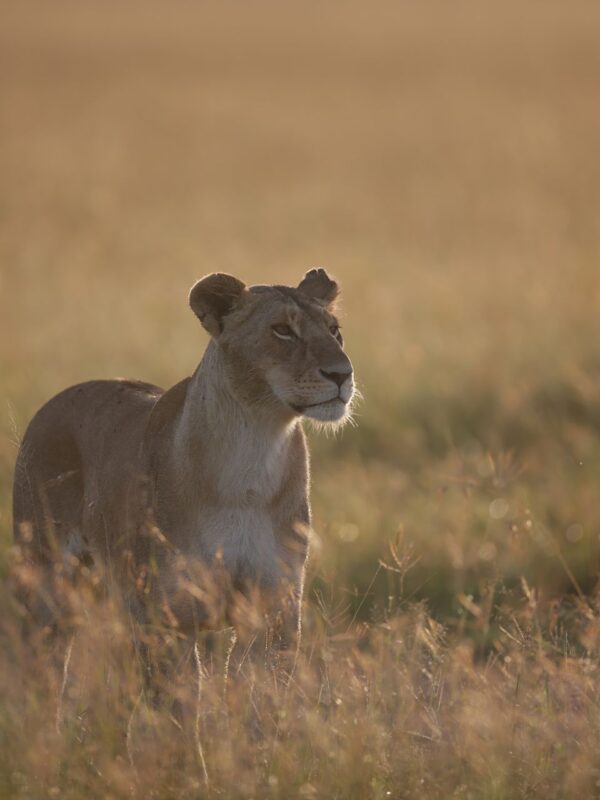
The Serengeti & Ngorongoro
Central Serengeti, Northern Serengeti, Western Corridor, Ngorongoro Crater
Tanzania's most celebrated wilderness and its most dramatic geological feature, forty minutes apart by air. The Serengeti holds the full annual migration year-round — the herds simply move through it, north to south and back again, following the rain. The Ngorongoro Crater, a collapsed caldera holding twenty-five thousand animals within its walls, is best understood as a world within a world. Plan at least five nights across both.
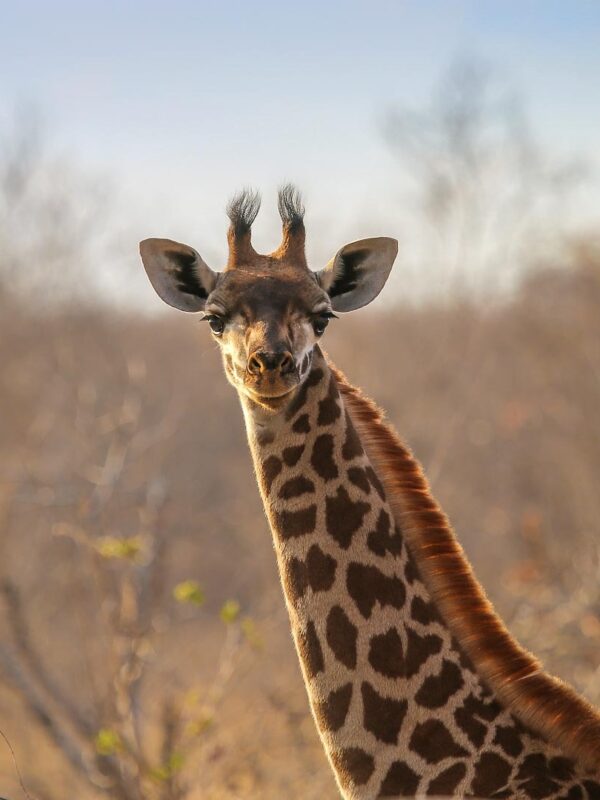
Ruaha & the Southern Highlands
Ruaha National Park, Iringa, Kitulo Plateau, Udzungwa Mountains
Africa's largest park by UNESCO designation and one of its least visited, which is precisely the point. Ruaha's landscape, red-rocked, dry, and ancient, is unlike anything in the north. The elephant population is exceptional; the lion-to-prey ratio extraordinary; the camps are small and the guides are the best in Tanzania. A week here changes what you think a safari is.
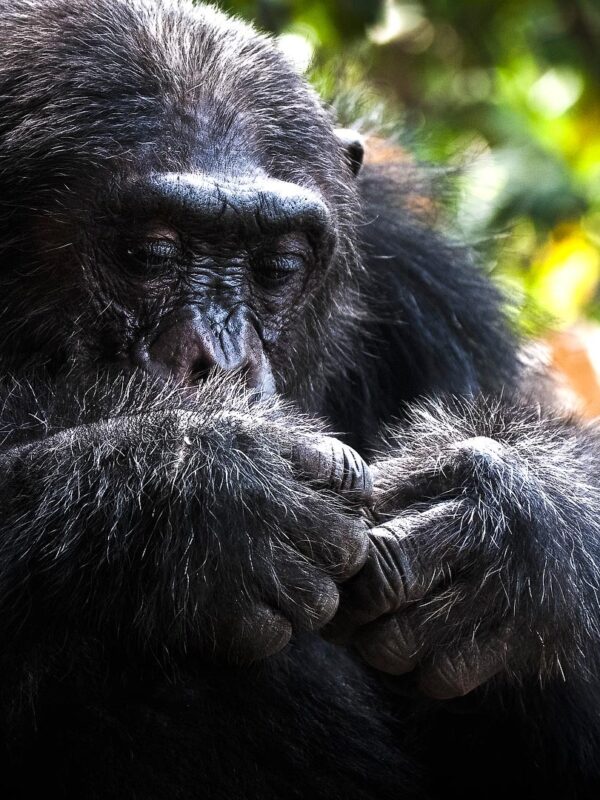
Katavi & the Remote West
Katavi National Park, Mahale Mountains, Lake Tanganyika
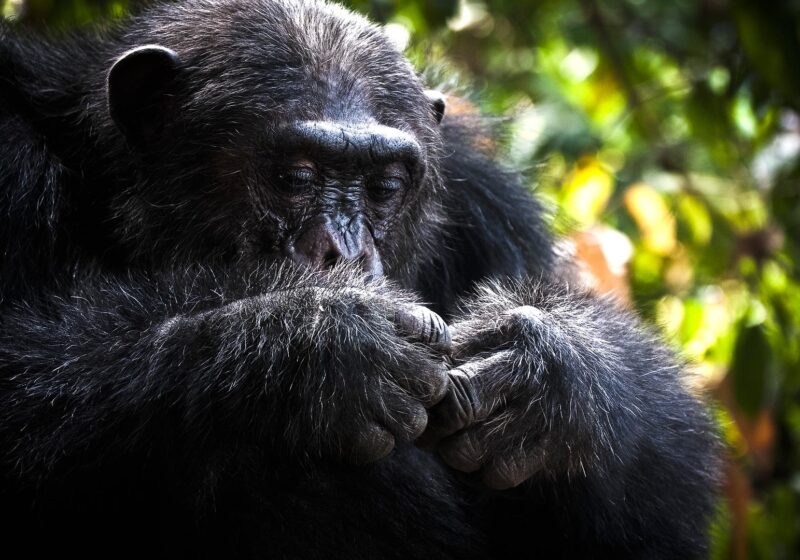
Tanzania's most remote circuit, and its most extraordinary. Katavi sees fewer than a few hundred visitors annually — its hippo pools and buffalo herds are on a scale that the north cannot match. Mahale takes this further: chimpanzees tracked on foot through mountain jungle above the world's longest freshwater lake. You do not go to the western circuit by accident. You go because you have decided that ordinary will not do.
Nyerere (Selous) & the Coastal Circuit
Nyerere National Park, Saadani, Mafia Island, Kilwa
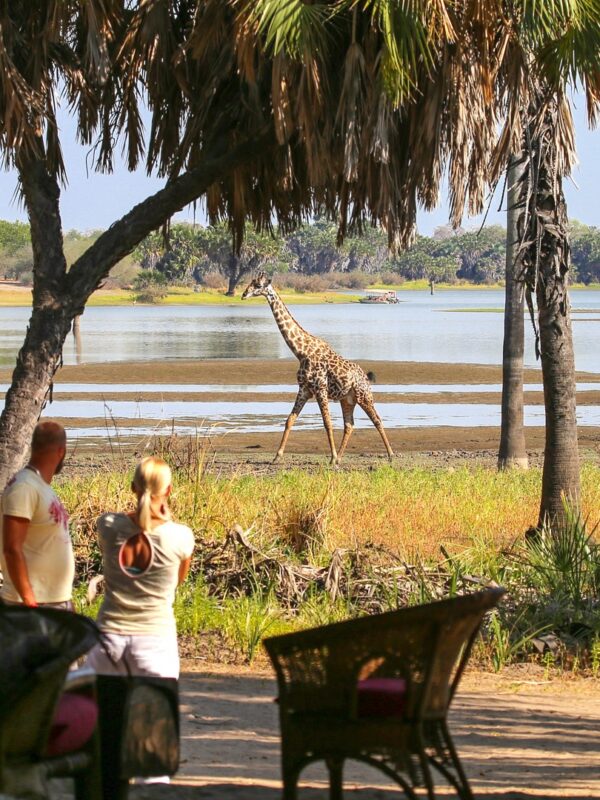
The Selous Game Reserve — now partly incorporated into Nyerere National Park — is one of the largest protected areas in Africa. Boat safaris on the Rufiji River, walking safaris through jesse bush, and fly-camping in the delta combine to produce a safari experience that is fundamentally different from the vehicle-based north. Selous is for returning visitors or those who know what they want.
Zanzibar & the Indian Ocean Islands
Zanzibar (Unguja), Pemba Island, Mafia Island
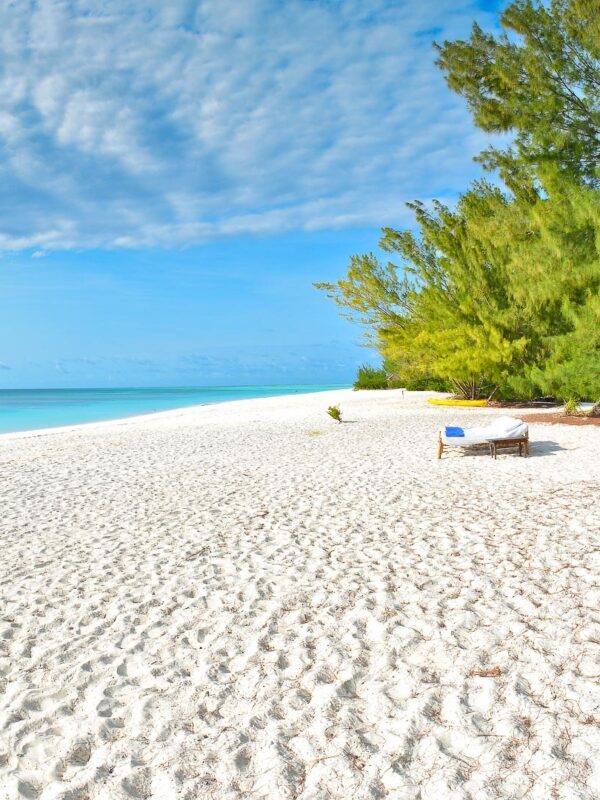
Stone Town is a UNESCO World Heritage Site — a labyrinth of carved wooden doors, Arab merchant houses, and spice market alleys that tells the full history of the Indian Ocean trade in architectural form. The beaches to the north and east are what post-safari recovery looks like at its most complete. Pemba's reefs are among the least dived in the world. Mafia's whale sharks are seasonal and unmissable.
Our Tanzania
safaris.
Tanzania safaris are being added. Check back shortly.
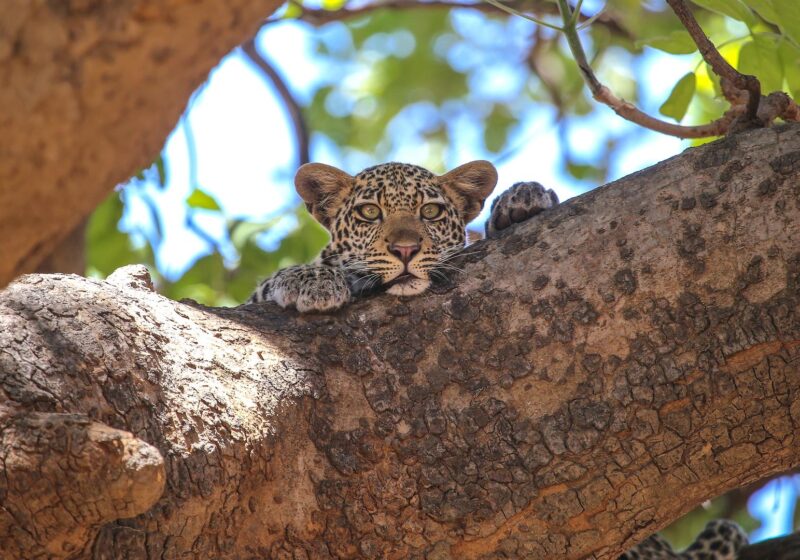
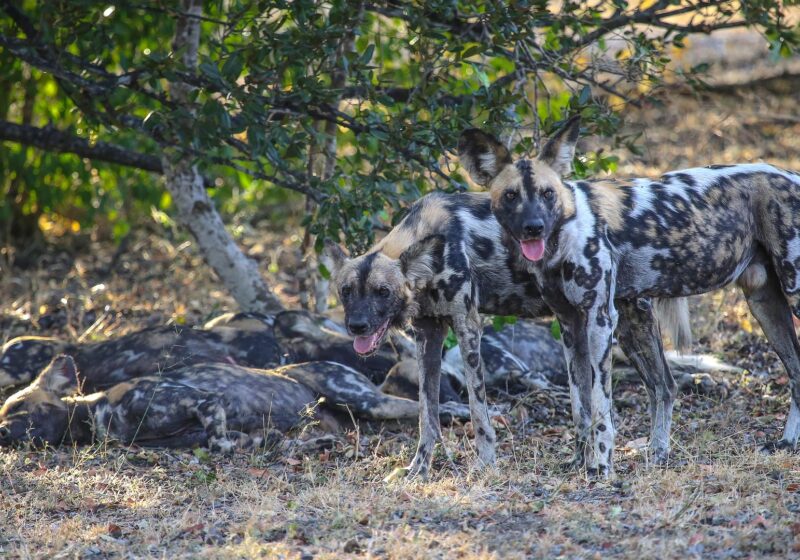
Where the animals
actually are.
What else
Tanzania offers.
The experiences worth adding, or booking on their own. Wine country, scenic railways, cultural encounters — the parts of the country that most itineraries skip.
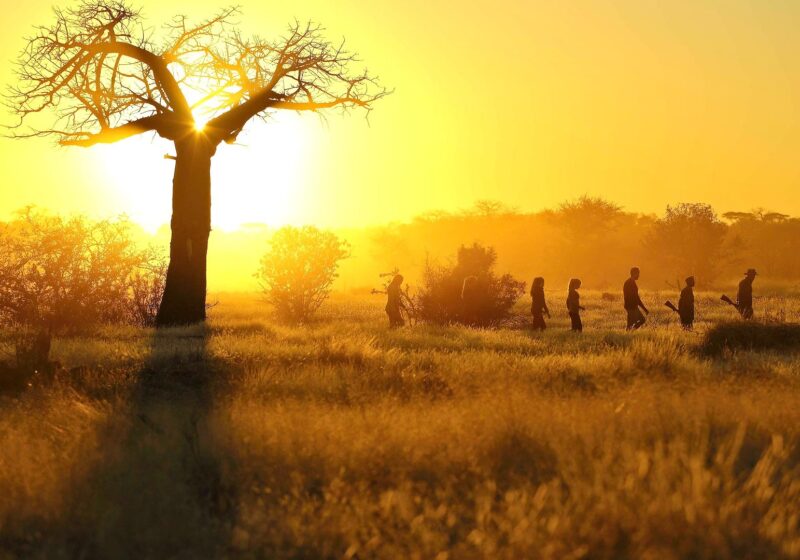 Cultural
Walking Safari in Ruaha
Ruaha National Park, Tanzania
Africa at ground level, with the safety catch off.
Learn more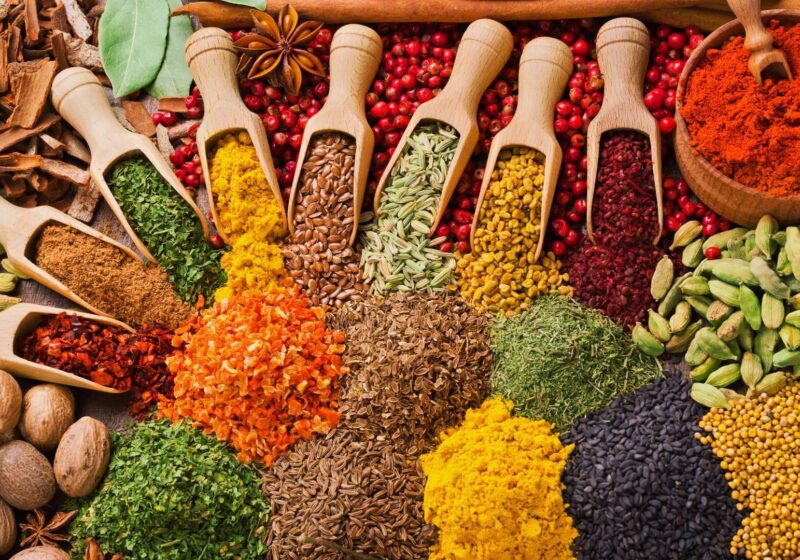 Cultural
Stone Town — Spice Tour & Old Town Walk
Stone Town, Zanzibar
A thousand years of Indian Ocean trade, still legible.
Learn more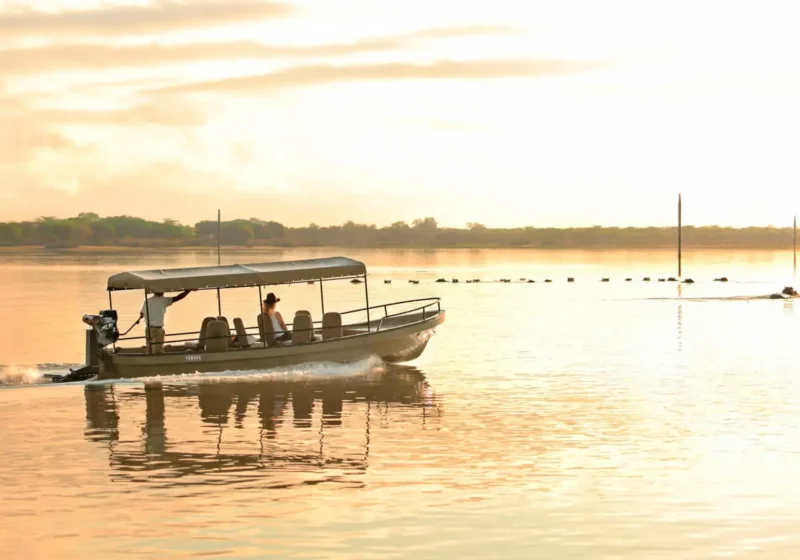 Adventure
Rufiji River Boat Safari — Nyerere National Park
Nyerere National Park (Selous), Tanzania
The game drive, reimagined on water.
Learn more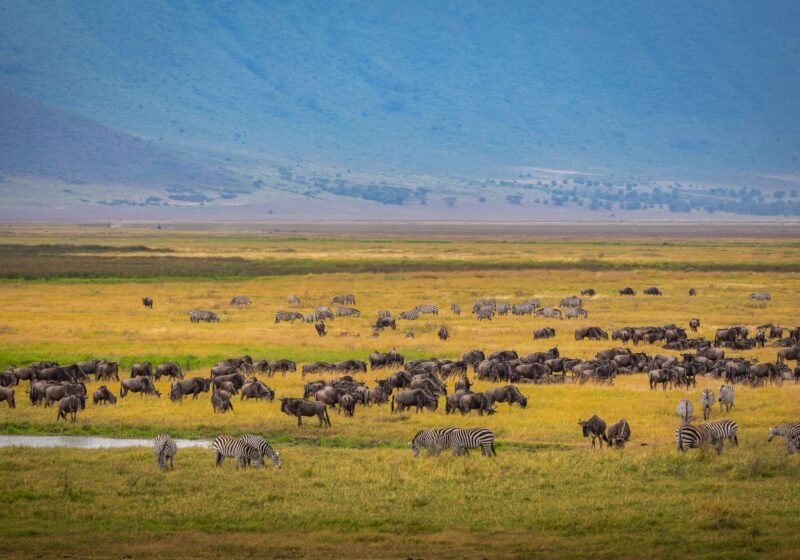 Scenic
Ngorongoro Crater Floor — Full Day Descent
Ngorongoro Conservation Area, Tanzania
Twenty-five thousand animals inside twelve kilometres of wall.
Learn more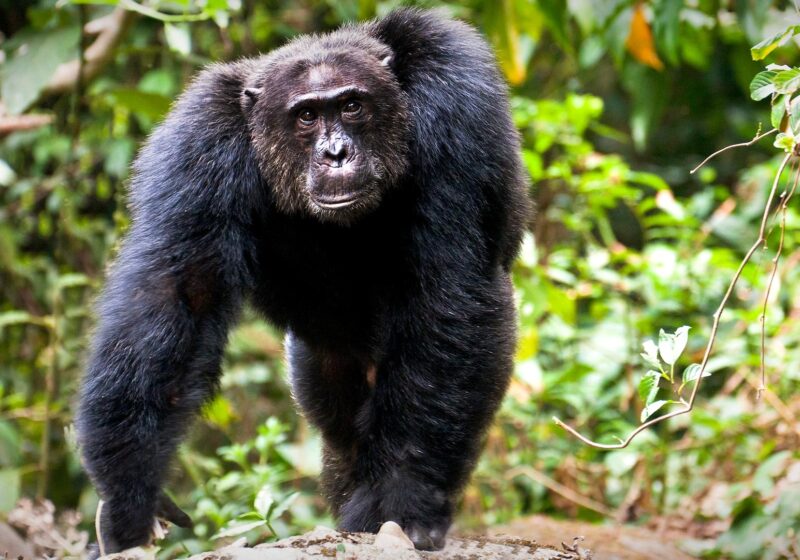 Adventure
Chimpanzee Tracking in Mahale Mountains
Mahale Mountains National Park, Lake Tanganyika, Tanzania
The most remote primate encounter in East Africa.
Learn more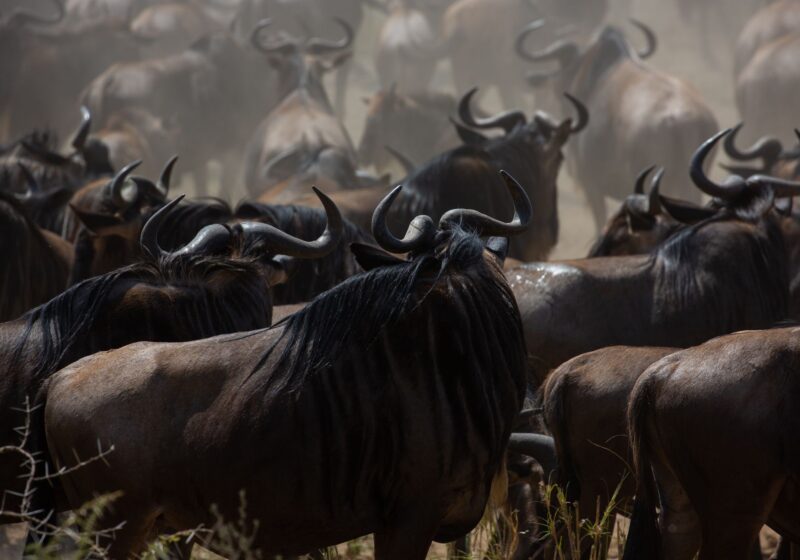 Scenic
The Serengeti Migration — Calving Season
Southern Serengeti & Ndutu Plains, Tanzania
Half a million wildebeest calves born in six weeks.
Learn more
Where we stay
in Tanzania.
Sanctuaries for this destination are being added.
When to go
to Tanzania.
June – October: Peak Dry Season
The best all-round time for Tanzania. The north is dry, game is concentrated around water, and the migration’s northern movement brings the herds into the Serengeti’s Mara River zone from July onwards. In the south, Ruaha and Nyerere are at their most accessible — bush roads driveable, rivers low enough to expose sandbanks, and predator activity at its most visible. Book twelve months ahead for peak July–August.
January – February: The Short Dry Season
Warm and clear across the north. Calving season on the southern Serengeti plains — an extraordinary spectacle of new life and predator activity that runs through February. The crater is good year-round but particularly clear-skied in January. Ruaha in the south is excellent. A slightly quieter time than peak season, with better availability at some camps.
November – December: The Short Rains
Brief afternoon showers, usually clearing by evening. The Serengeti greens quickly, migratory birds arrive, and the camps thin out. Some operators offer reduced rates. The migration herds are generally in the southern Serengeti and northern Ngorongoro at this time — good for calving preparation and predator following.
March – May: The Long Rains
The wettest period. Many northern camps close in April. Roads into Ruaha become difficult. The Selous floodplain is largely inaccessible. Tanzania is not recommended for first-time visitors during this window, though experienced travellers will find the Ngorongoro Crater and a handful of permanent camps in the north viable, and the landscape is spectacularly green.
Practical Notes
Getting There
Kilimanjaro International Airport (JRO) and Julius Nyerere International Airport in Dar es Salaam (DAR) are Tanzania’s two main international gateways. Kilimanjaro serves the northern circuit; Dar es Salaam serves the south and coast. Kenya Airways, Qatar Airways, Ethiopian Airlines, and KLM all provide connections. Flying time: London approximately 9 hours via hub, Dubai 5 hours.
Visas & Entry
Tanzania requires a visa for most nationalities, available as a Tourist Visa on arrival or as an eVisa applied for online before departure. The online route is strongly recommended to avoid arrival queues. Citizens of some East African Community countries may enter visa-free. Your consultant will confirm current requirements at the time of booking.
Getting Around
Domestic light aircraft flights connect all major safari circuits — Arusha, Seronera, Ruaha, Selous, Katavi, and Zanzibar are all served by regular charter and scheduled services. Coastal Aviation, Auric Air, and Zantas are the primary domestic operators. Drive times between camps in the same region are generally manageable; crossing circuits by road is not recommended.
Health & Vaccinations
Yellow fever vaccination is required for entry if arriving from a yellow fever-endemic country, and strongly recommended regardless. Anti-malarial medication is advised for all safari regions and Zanzibar. Consult a travel health clinic at least six weeks before departure. Altitude awareness is relevant for Kilimanjaro climbers and those staying at Ngorongoro Crater rim camps above 2,300m.
Currency
Tanzanian Shilling (TZS). US Dollars are widely accepted at camps and lodges, which operate on an all-inclusive basis. ATMs are available in Arusha, Dar es Salaam, and Stone Town; limited elsewhere. Bring sufficient cash for gratuities.
What people ask
about Tanzania.
The north (Serengeti, Ngorongoro, Tarangire) is more visited, more accessible, and more immediately spectacular for first-time visitors. The south, Ruaha, Nyerere, Katavi, is wilder, less trafficked, and rewards those who already know what a safari is and want to go deeper into it. We frequently recommend combining one circuit from each, with Zanzibar as a coastal close.
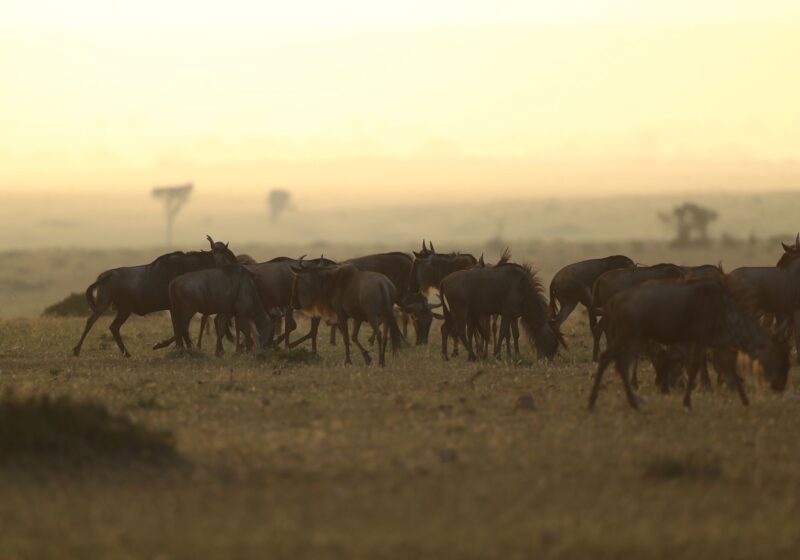
No. The migration is a continuous circular movement between the Serengeti in Tanzania and the Maasai Mara in Kenya, and the herds spend most of the year on the Tanzanian side. The dramatic Mara River crossings happen in Kenya from July to October, but the calving season on the southern Serengeti plains in January and February — when half a million wildebeest calves are born in a matter of weeks — is one of the most extraordinary wildlife events on earth.
A minimum of eight nights in the bush for the northern circuit alone. Ten to twelve nights allows you to properly combine north and south, or north and coast. The western circuit — Katavi and Mahale — requires at least ten nights on its own to justify the travel logistics. We build itineraries around what the destination requires, not around flight schedules.
The northern circuit — Serengeti and Ngorongoro in particular — is one of the best first safari destinations in Africa. The wildlife density is exceptional, the camps are outstanding, and the experience of calving season or a migration crossing is immediately comprehensible even for someone who has never been to Africa. The south is better reserved for a return visit.
Yes, and it is one of the most satisfying itinerary structures we build. Fly into Nairobi, take a few nights in the Maasai Mara or Laikipia, then cross into Tanzania for the Serengeti and Ngorongoro before closing in Zanzibar. Or reverse the direction entirely. The two countries are operationally straightforward to combine and the contrast between their landscapes and wildlife cultures adds genuine depth to the journey.