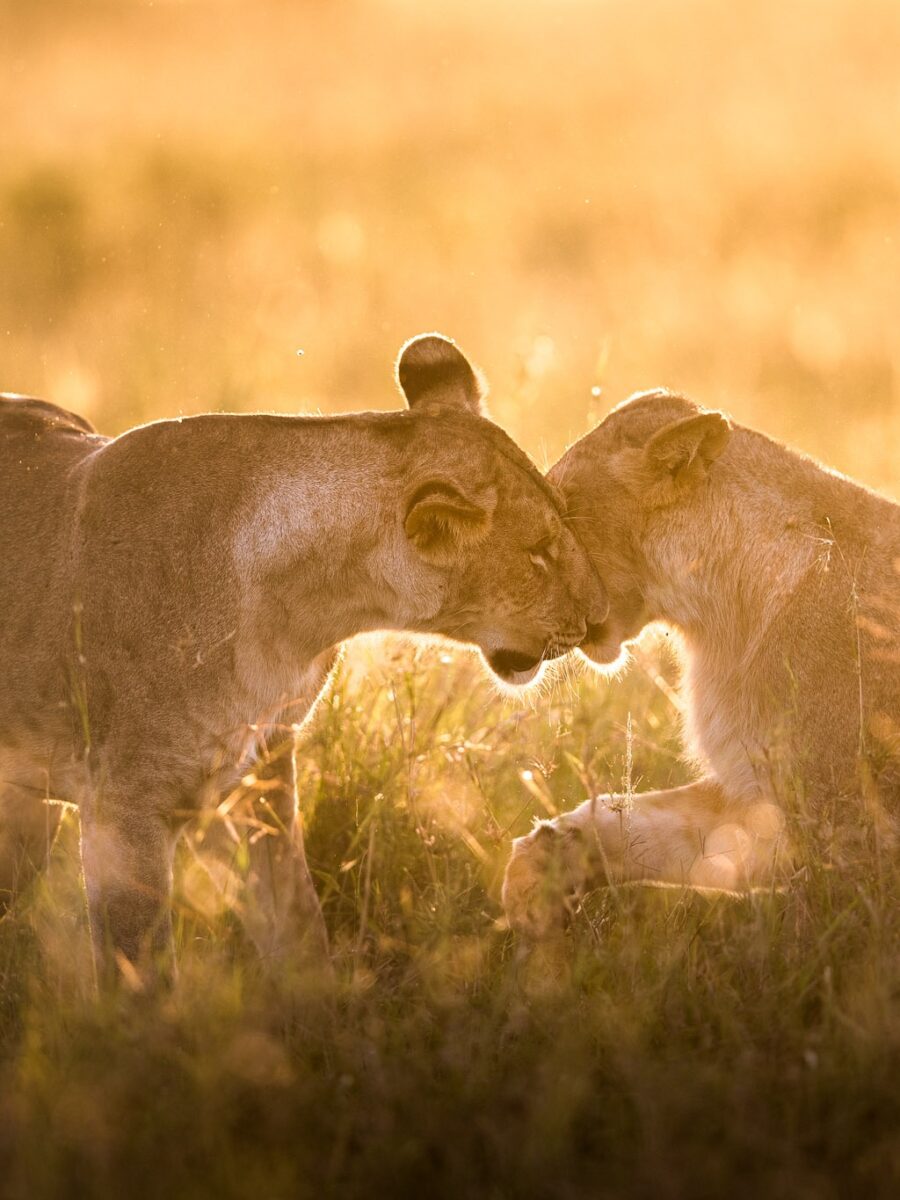
 Kenya
8 nights
Kenya Family Safari
Kenya through a child's eyes. The Mara and Kilimanjaro in eight nights.
View safari
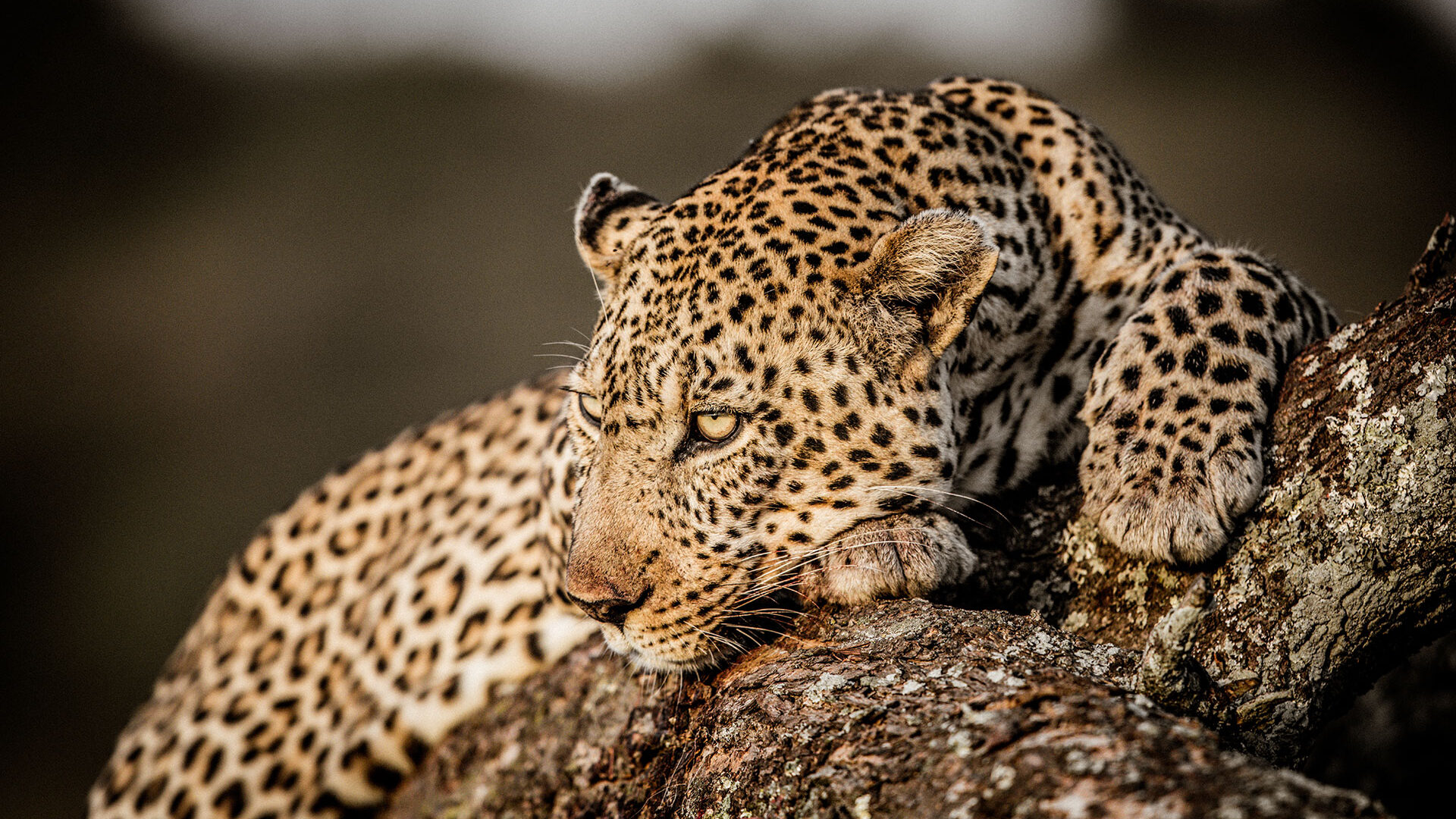
Kenya is where the idea of the African safari was formed, and where it keeps redefining itself. The Maasai Mara alone would be enough — two million wildebeest crossing the Mara River each year in a spectacle that no amount of prior reading quite prepares you for. But Kenya has always been more than one moment, more than one landscape, and more than one way of travelling through it.
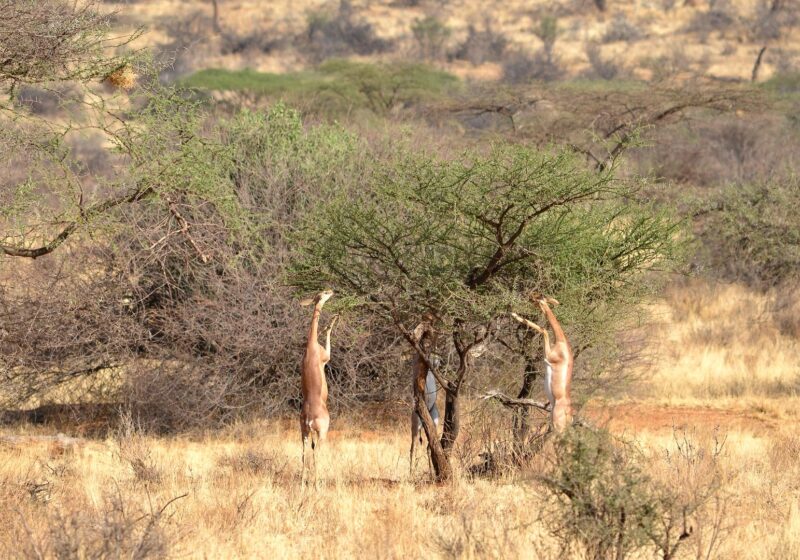
North of the equator, the Laikipia Plateau spreads across a million acres of private conservancy land, where black rhino move between ranches and community-owned wilderness, and where the density of wildlife is matched only by the quality of the camps watching over it. Further north still, the Samburu National Reserve holds species found nowhere else — the long-necked gerenuk, the reticulated giraffe, the Grevy’s zebra — against a backdrop of dry riverine forest and ancient volcanic rock that feels deliberately other-worldly.
Kenya is also the country where the human relationship with wildlife has been negotiated most openly and most creatively. The Ol Pejeta Conservancy protects the world’s last two northern white rhinos. The Lewa Wildlife Conservancy helped pioneer the model of private land held in trust for wild animals and local communities alike. Travelling here means being part of something that matters beyond the game drive.
The Indian Ocean coast — Lamu, Watamu, the Diani beaches south of Mombasa — offers a counterweight to the bush: a world of coral reefs, dhow sailing, Swahili architecture, and waters warm enough to swim in year-round. Kenya asks very little of a traveller except time and attentiveness. It gives back in full.
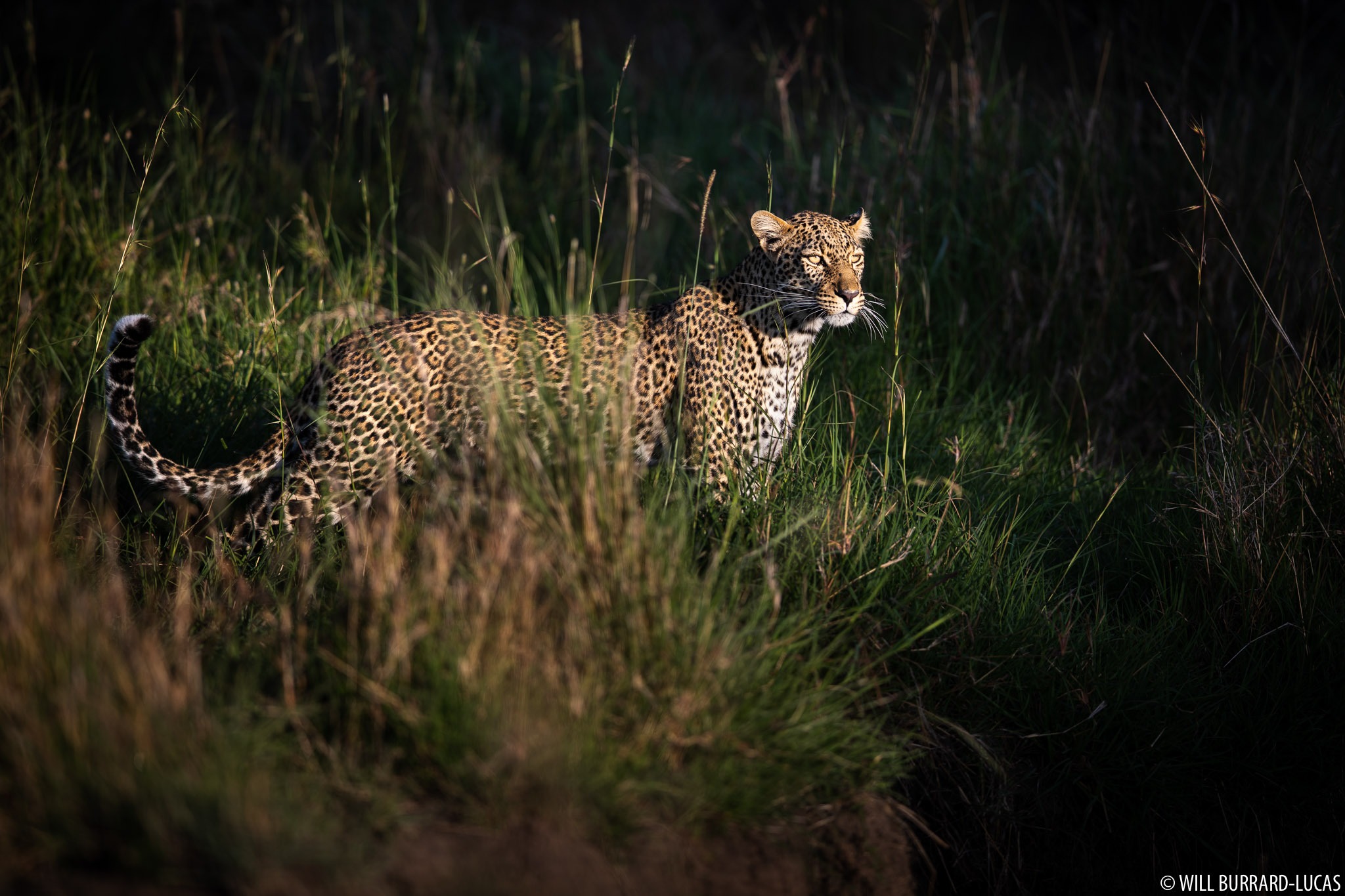
Mara Triangle, Mara North, Naboisho, Olare Motorogi, Lemek
The most famous wildlife arena on earth, and for good reason. The annual wildebeest migration reaches its dramatic peak here between July and October, but the Mara holds exceptional game year-round. The private conservancies bordering the reserve — Mara North, Naboisho, Olare Motorogi — offer the same wildlife with fewer vehicles and better camp options.
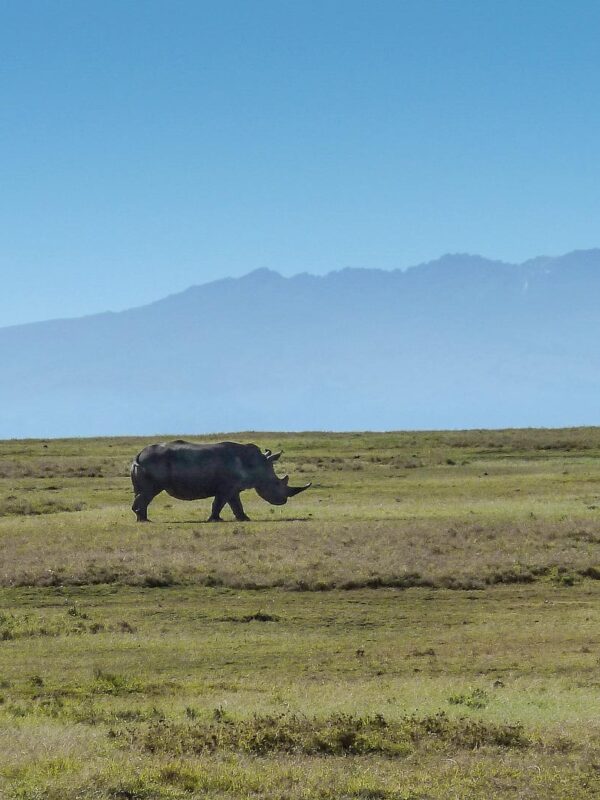
Ol Pejeta, Lewa, Borana, Solio, Mugie, Ol Jogi
Kenya's most important rhino stronghold, and one of its most thoughtfully managed wilderness landscapes. Laikipia's private conservancies hold black and white rhino, wild dog, lion, cheetah, and elephant across terrain that ranges from open grassland to acacia woodland. The standard of guiding here is consistently high, and the camps are among the most architecturally impressive in East Africa.
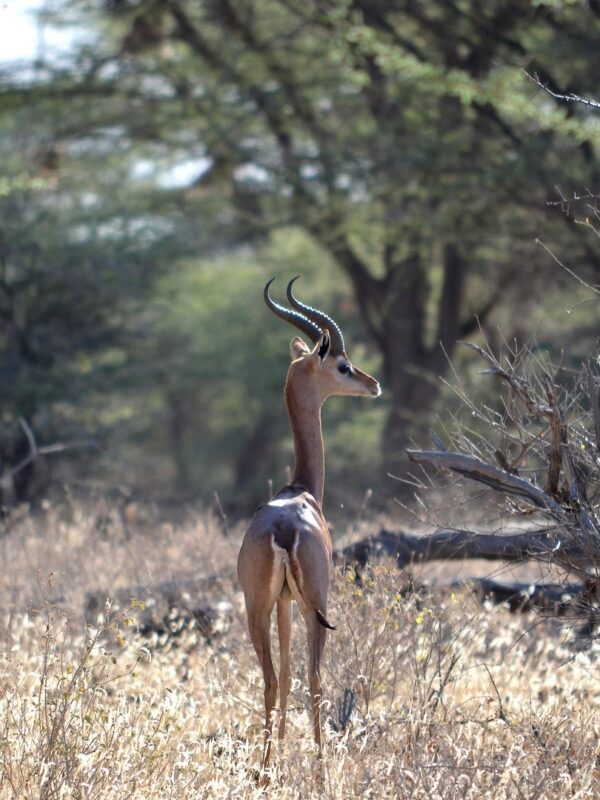
Samburu National Reserve, Buffalo Springs, Shaba, Kalama
Semi-arid, remote, and unlike anywhere else in Kenya. The Ewaso Ng'iro River sustains an improbable density of wildlife — including the so-called Special Five species unique to the northern ecosystem — while the Samburu people remain a powerful cultural presence throughout the region. Best visited between June and October, or January to February.
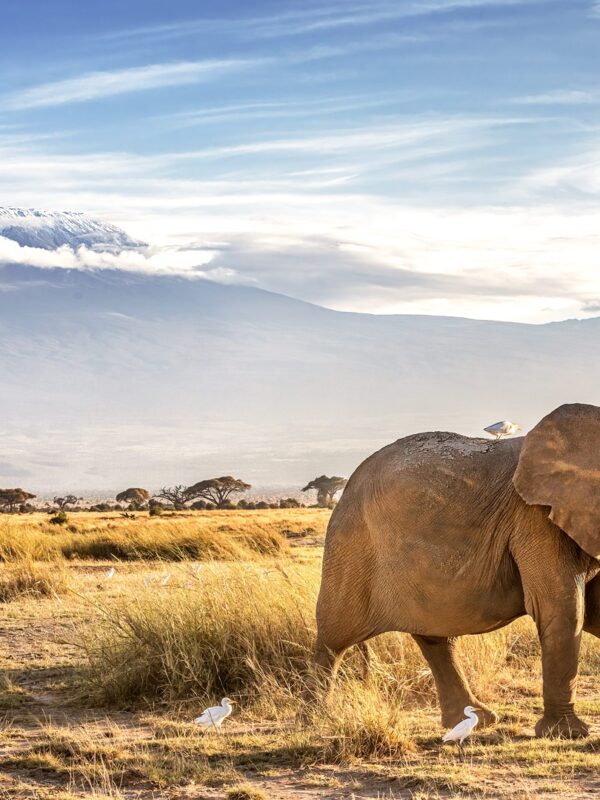
Amboseli National Park, Tsavo East, Tsavo West, Chyulu Hills
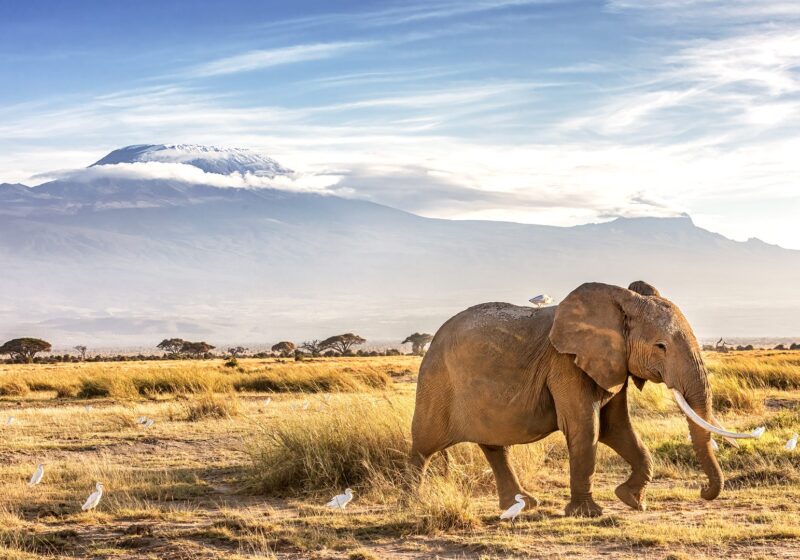
Amboseli is defined by its elephants — vast-tusked, red-dusted matriarchs moving against the backdrop of Kilimanjaro on the Tanzanian border — and by the photographers who have always followed them. Tsavo, split by the Nairobi–Mombasa highway, is Kenya's largest national park: ancient, vast, and deliberately wild. The Chyulu Hills offer high-altitude wilderness accessed by a handful of exceptional camps.

Lamu Archipelago, Watamu, Diani, Malindi
Kenya's coastline stretches 480 kilometres along the Indian Ocean, from the ancient trading port of Lamu in the north to the reef-fronted beaches south of Mombasa. The water is warm, the snorkelling outstanding, and the Swahili culture — Arabic, African, and Portuguese in its layering — rewards proper exploration. Combine three to four nights coast with a bush itinerary for a complete Kenya experience.
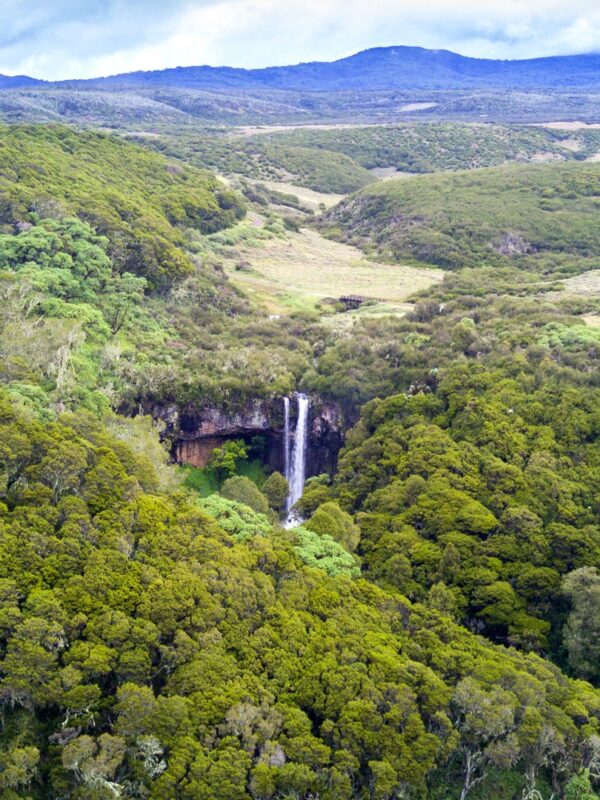
Mount Kenya National Park, Aberdare National Park, Ol Pejeta surrounds
Africa's second-highest mountain is also a UNESCO World Heritage Site, home to forest elephant, bongo, and giant forest hog in its bamboo and cedar forest zones. The mountain lodges — Treetops, The Ark, and others — have a mid-century charm specific to this landscape. A useful addition to an itinerary routing between Nairobi and Laikipia.
The experiences worth adding, or booking on their own. Wine country, scenic railways, cultural encounters — the parts of the country that most itineraries skip.
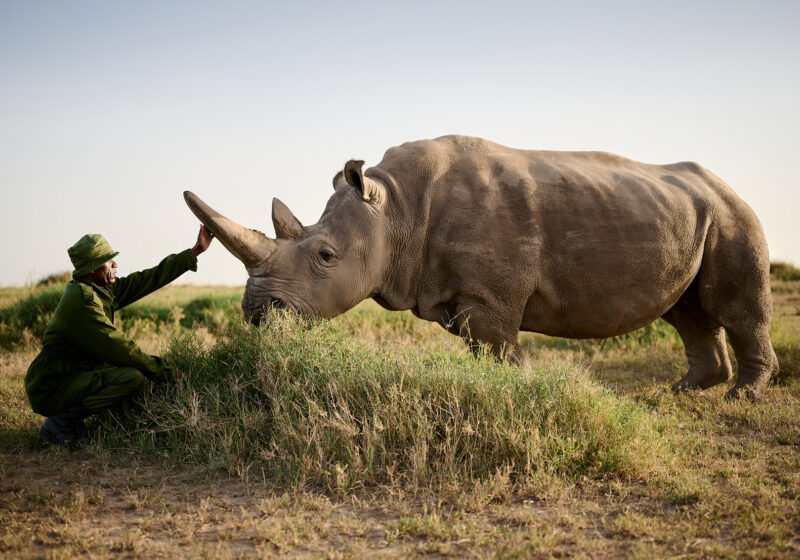 Adventure
Ol Pejeta Conservancy, Laikipia, Kenya
The last two northern white rhinos on earth live here.
Learn more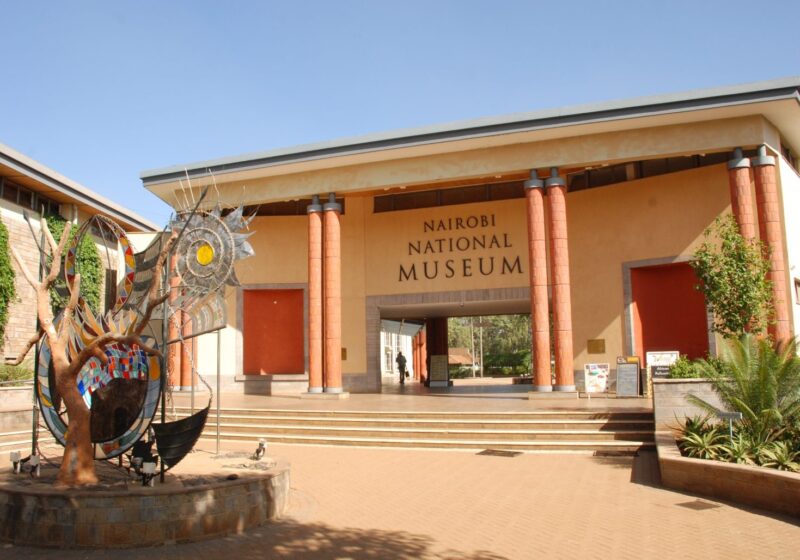 Cultural
Nairobi, Kenya
Kenya's colonial story, told without apology.
Learn more Scenic
Lamu Archipelago, Kenya Coast
The oldest trade route in the Indian Ocean, still sailing.
Learn more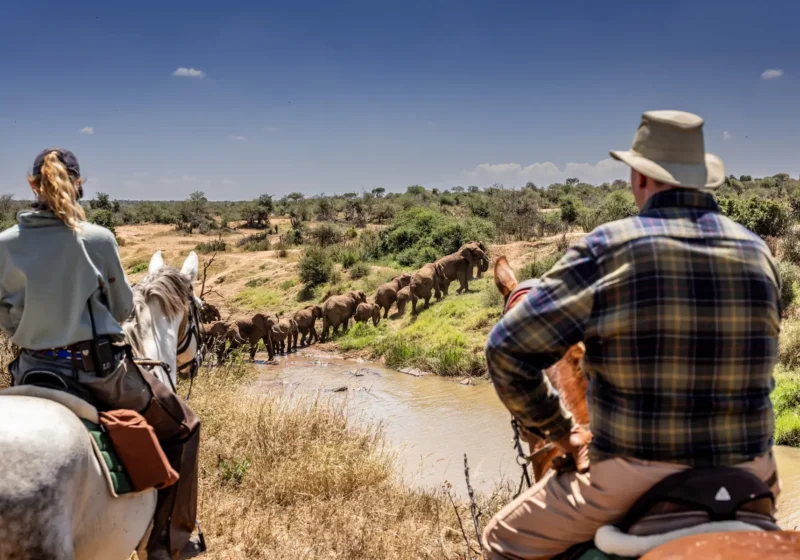 Adventure
Laikipia Plateau, Kenya
The only way to move through wildlife at eye level.
Learn more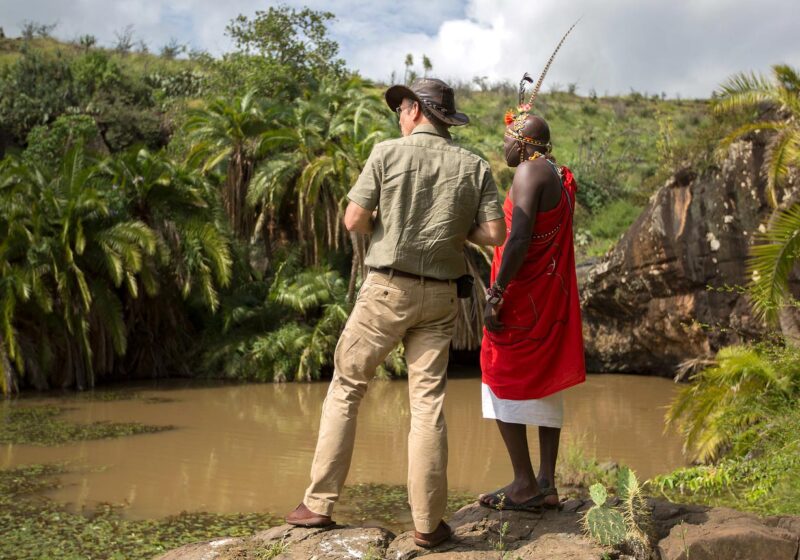 Cultural
Maasai Mara Conservancies, Kenya
A different pace, a different way of reading the land.
Learn more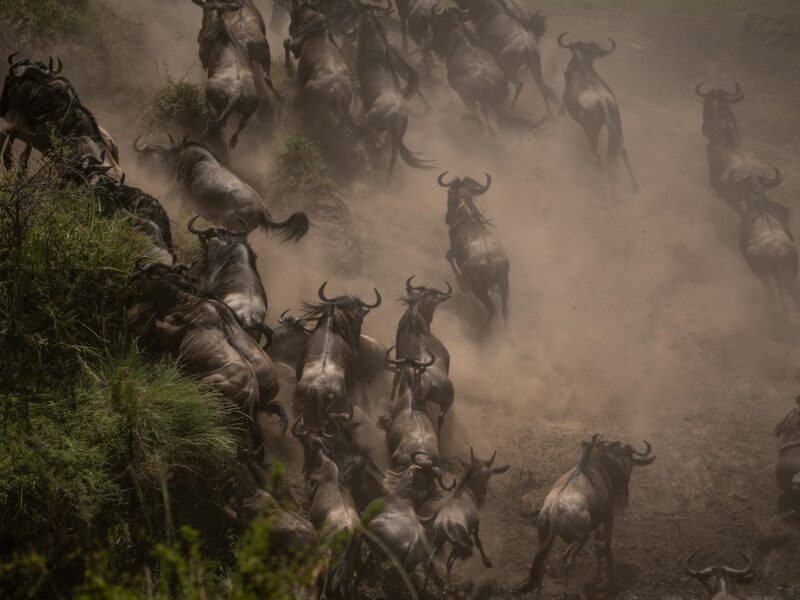 Scenic
Maasai Mara, Kenya
Two million animals, one river, no guarantee.
Learn moreSanctuaries for this destination are being added.
July – October: Peak Season
The dry season in southern Kenya. The Mara River crossings begin in earnest from mid-July and continue through October. Laikipia and Samburu are also at their best — vegetation is sparse, wildlife concentrates around water sources, and game viewing is at its most reliable. Mornings are cool, afternoons warm. Book well in advance; the best camps fill a year out.
January – February: The Short Dry Season
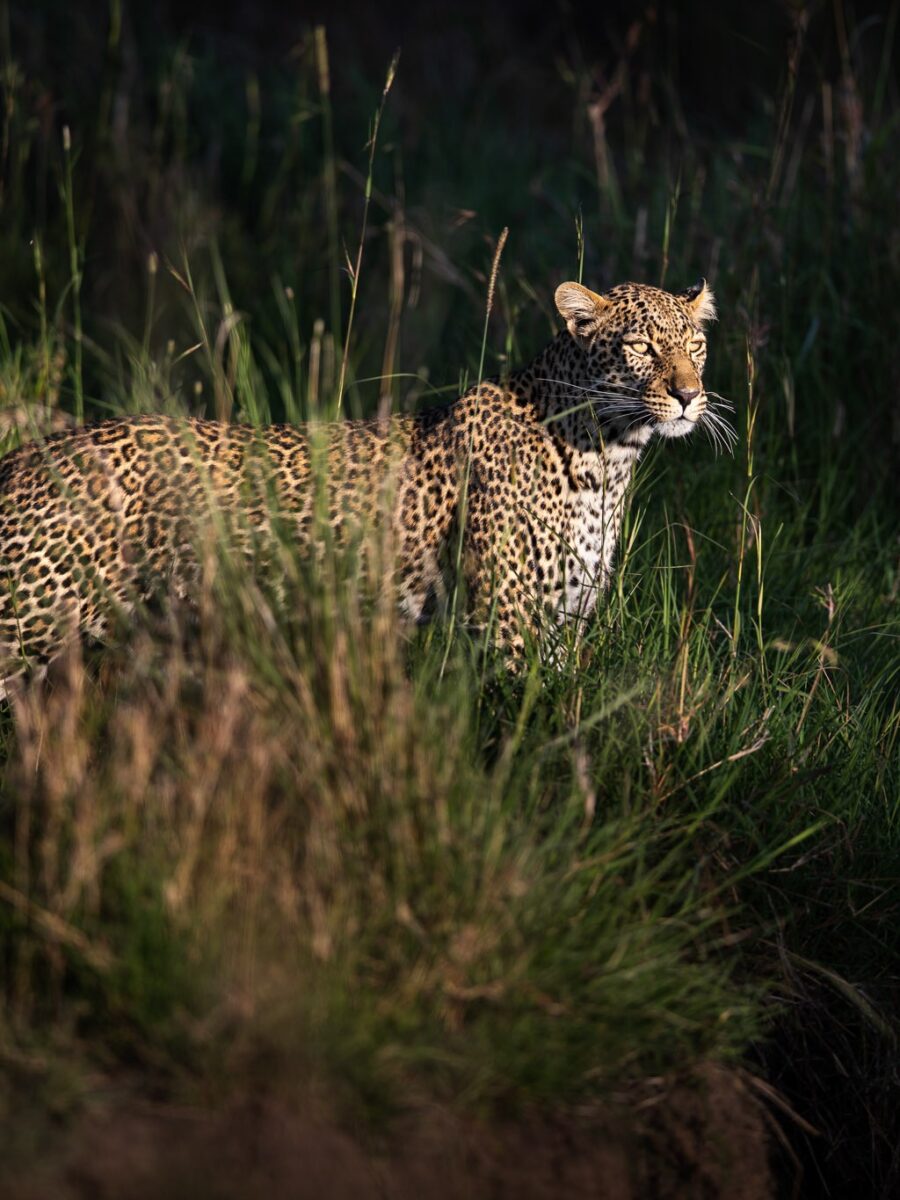
Warm and dry across most of Kenya. An excellent time for Amboseli and the northern parks, where the light is exceptional and the crowds thin. The Mara is quieter but the resident wildlife — lion, elephant, leopard, cheetah — remains impressive. Laikipia’s calving season begins, bringing attendant predator activity.
November – December: The Short Rains
Brief afternoon showers, quickly clearing. Kenya remains open and visitable throughout. Some camps offer reduced rates. The landscape greens, migratory birds arrive in large numbers, and the Mara takes on a quality of light rarely seen in photographs.
March – May: The Long Rains
The wettest period. Some camps close, access roads in lower-lying areas can become difficult, and the Mara migration has not yet returned. Not typically recommended for first-time visitors, but experienced travellers willing to accept the conditions will find Kenya near-deserted and occasionally spectacular.
Getting There
Nairobi’s Jomo Kenyatta International Airport (NBO) is well connected to Europe, the Middle East, and onward across Africa. Kenya Airways, Qatar Airways, Emirates, and KLM all serve Nairobi from major hubs. Flying times: London 8.5 hours, Dubai 5 hours. Wilson Airport, 6km from Nairobi, handles all domestic and bush flight operations.
Visas & Entry
Kenya operates an eVisa system for most nationalities. Applications are made online before departure and are generally straightforward. Citizens of many East African nations may enter visa-free. Your consultant will confirm the current requirements for your passport at the time of booking.
Getting Around
Domestic travel between destinations is almost always by light aircraft — Cessna Caravans and similar — on a network of bush airstrips managed by operators including Safarilink, ALS, and Air Kenya. Drive times between camps in the same region are manageable; between regions, flying is strongly recommended. Road transfer from Nairobi to the Mara takes approximately five hours.
Health & Vaccinations
Yellow fever vaccination is required if arriving from a yellow fever-endemic country. Anti-malarial medication is recommended for all safari regions. Nairobi itself sits above 1,600m and is considered low-risk. Consult your GP or a travel health clinic at least six weeks before departure.
Currency
Kenyan Shilling (KES). US Dollars are widely accepted at camps and lodges, which are almost universally fully inclusive. ATMs are available in Nairobi; card access is limited outside the city.
No — and this is one of the most common misconceptions we encounter. Kenya's resident wildlife is outstanding year-round. Laikipia holds some of Africa's densest rhino populations. Samburu is at its best outside the peak migration months. Amboseli's elephants are present all year. The migration is extraordinary, but it is one chapter of a much longer story.
We recommend a minimum of seven nights in the bush to do Kenya proper justice — ideally split across two regions. Ten to twelve nights allows you to add the coast or a third wildlife area without feeling rushed. Shorter trips are possible, particularly for return visitors targeting a specific destination.
Yes, with the right camp selection. Several properties in the Mara conservancies and Laikipia are genuinely family-oriented, with dedicated guiding programmes for younger travellers, bush activities beyond the game drive, and the space and privacy that travelling with children requires. We will steer you away from camps that are not well set up for families.
The national reserve is open to all operators and can carry significant vehicle numbers at key sighting locations. The private conservancies — Mara North, Naboisho, Olare Motorogi, and others — are accessed exclusively by guests staying in their camps, which means far fewer vehicles, off-road driving capability, and bush walks. The wildlife is the same; the experience is considerably quieter.
Very easily, and it is one of our most popular itinerary structures. Nairobi and Kilimanjaro airports are both international gateways, and domestic flying connections between Kenya and Tanzania are straightforward. A combined Mara and Serengeti journey — particularly around the migration months — is among the most complete safari experiences Africa offers.