Skip to content
South Africa

Luxury Safaris in South Africa

View South Africa Safaris
The Country

What we know
about South Africa.

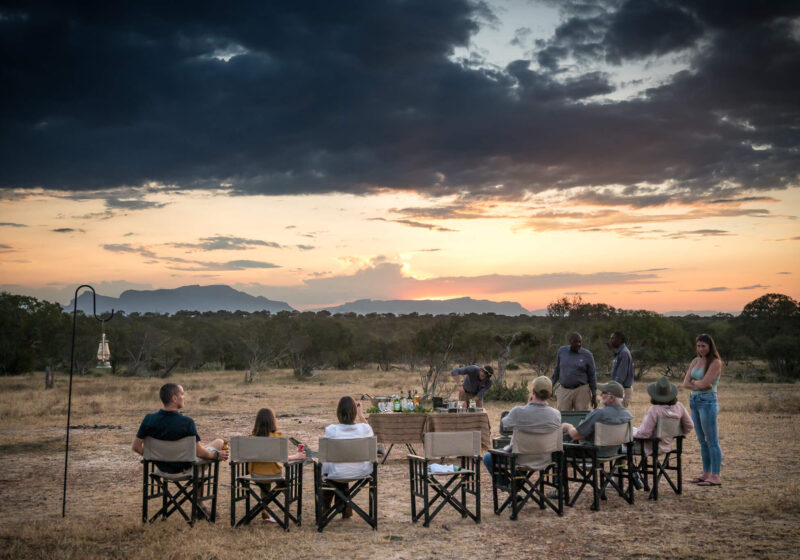
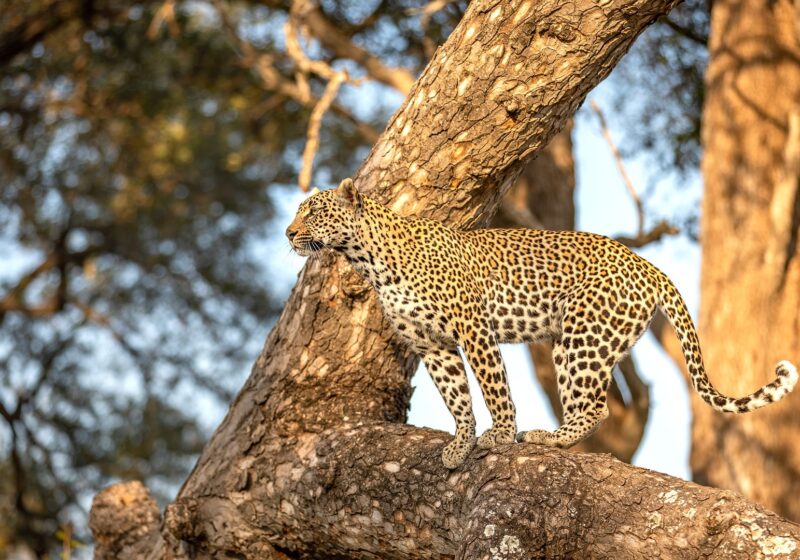
South Africa is the country that earns that overused phrase, the world in one country, and actually means it. Within a single journey, you can stand on the deck of a private game lodge in the Sabi Sands watching a leopard move through the riverine forest at dusk, and two days later be sitting in a wine cellar in Franschhoek with a glass of Chenin Blanc and the Winelands spreading out through the window behind you. No other country in Africa asks so much of you — or gives back so generously.

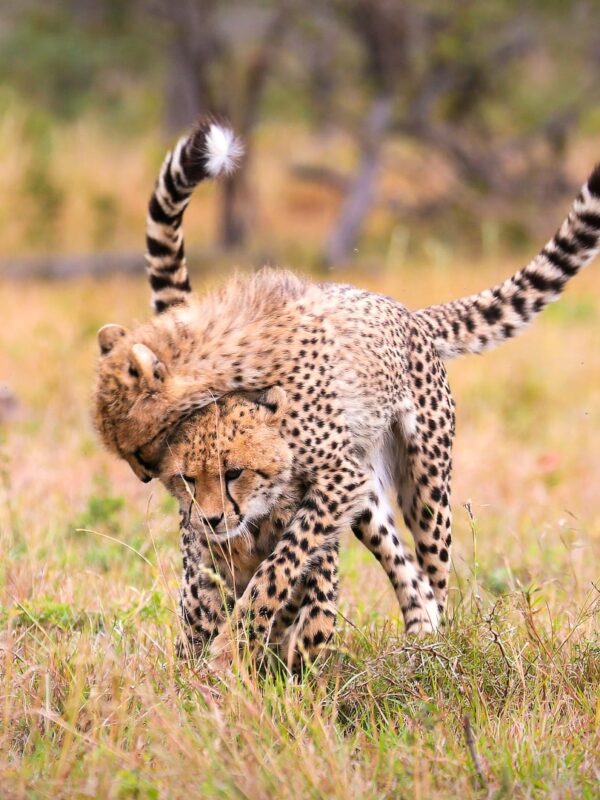
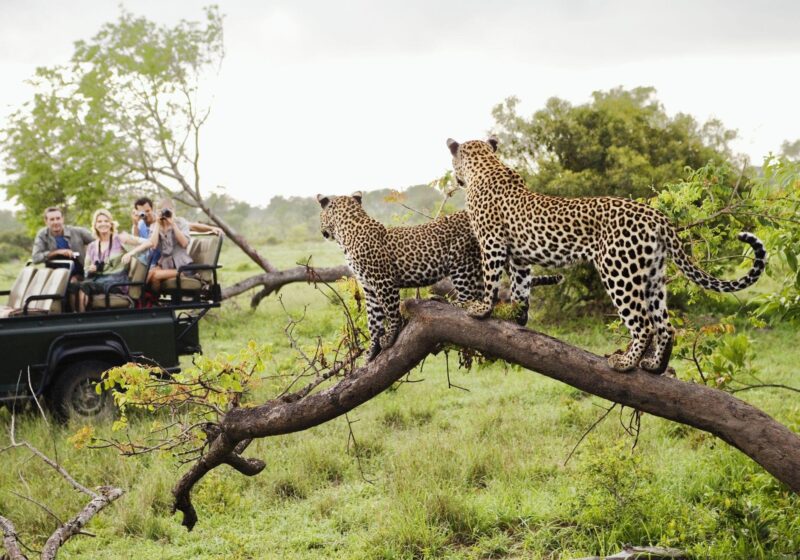
The wildlife here operates at a different scale from East Africa. The private reserves bordering Kruger, Sabi Sands, Timbavati, Thornybush, are among the most productive leopard habitats on the continent. Sightings that would be remarkable elsewhere are routine here. The density of the Big Five in these concessions, combined with guiding standards that rank among the best anywhere, means that even a first-time safari visitor leaves with a catalogue of encounters that would take years to accumulate elsewhere.

But the country’s hold over travellers is not only about the animals. The Cape Peninsula is one of the world’s genuinely singular places — a city that has managed to remain beautiful, a coastline that shifts from Atlantic cold to Indian Ocean warmth within an hour’s drive, and a cuisine scene that has grown into something entirely its own. The Garden Route connects it all: Tsitsikamma’s ancient forests, the Outeniqua Mountains, Knysna’s lagoon, and the final approach to the Eastern Cape game reserves, where you can complete a safari without the crowds that gather further north.

We design South Africa journeys for first-time visitors who want the full range, and for those who have been before and know exactly which corner of the country they have not yet seen. Both require a different approach. If you tell us which camp you stayed in last time, we will tell you where to go next.

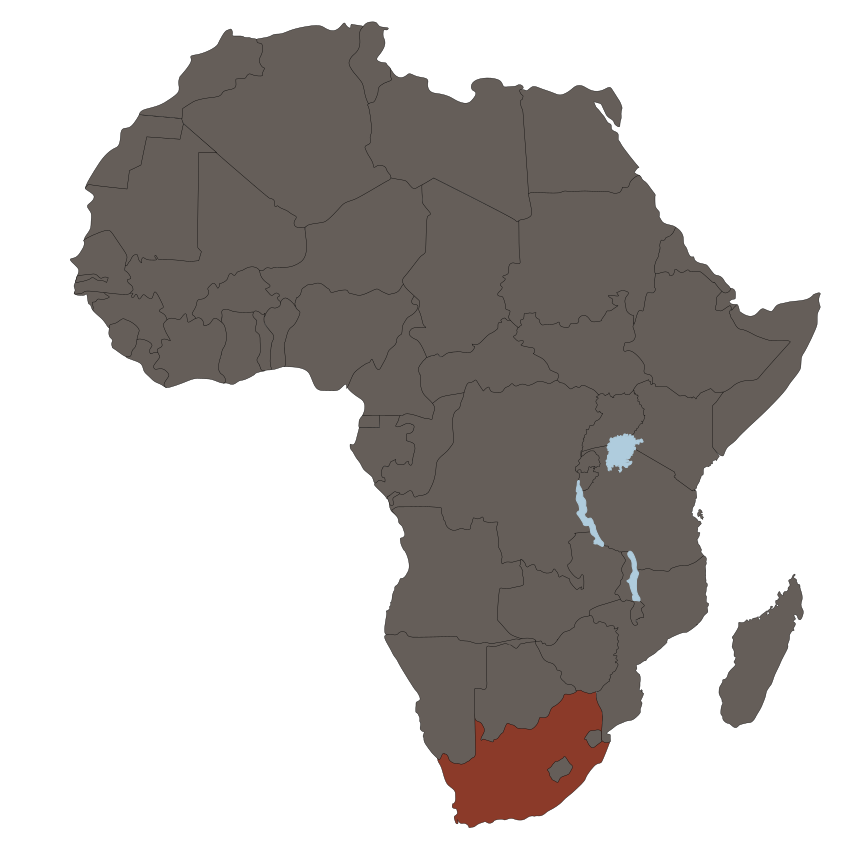
Map of South Africa
South Africa Southern Africa
The Regions

Where to go
in South Africa.

Kruger & Private Reserves

Kruger & Private Reserves

Sabi Sands · Timbavati · Thornybush · Klaserie

The private concessions bordering Kruger National Park represent the original blueprint for luxury safari in Africa. No fences between the reserves and Kruger means wildlife moves freely across more than twenty thousand square kilometres. Leopard sightings in Sabi Sands are so reliable they have become the standard by which all other reserves are judged. Night drives, off-road tracking, and walking safaris are all permitted; three things the national park itself does not allow.

The Cape Peninsula

The Cape Peninsula

Cape Town · Stellenbosch · Franschhoek · Hermanus

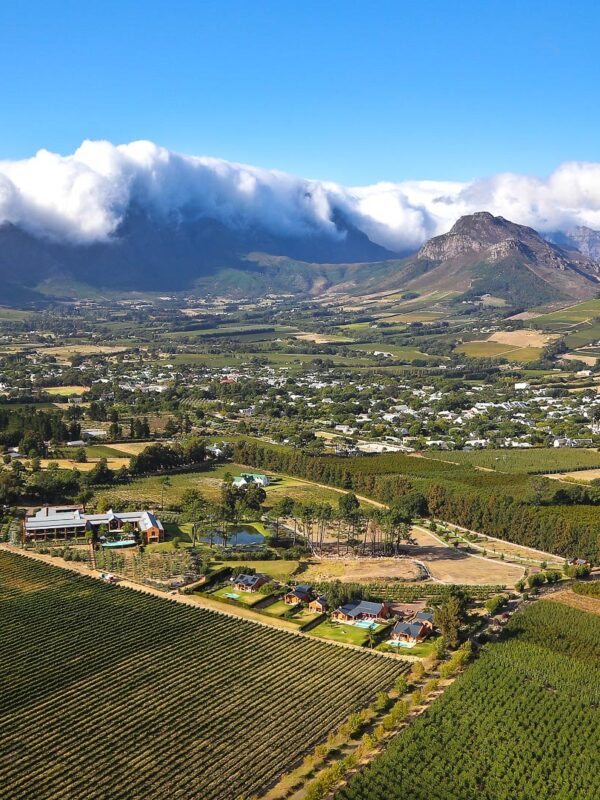
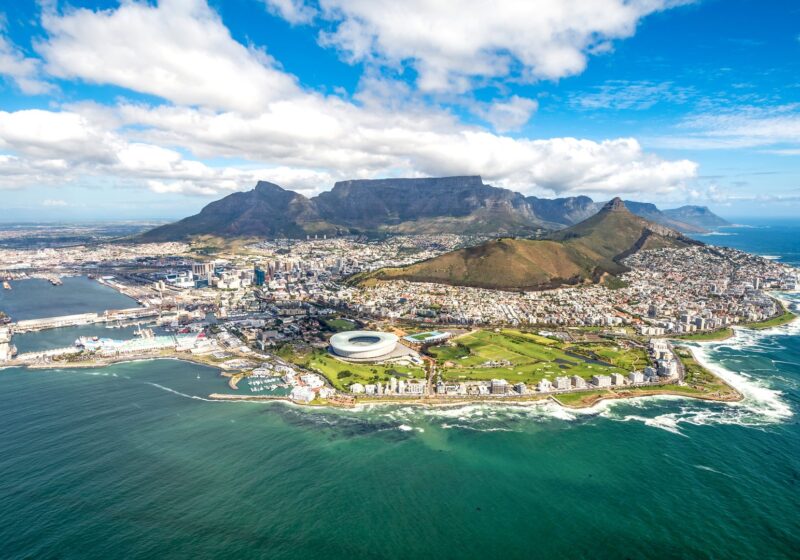
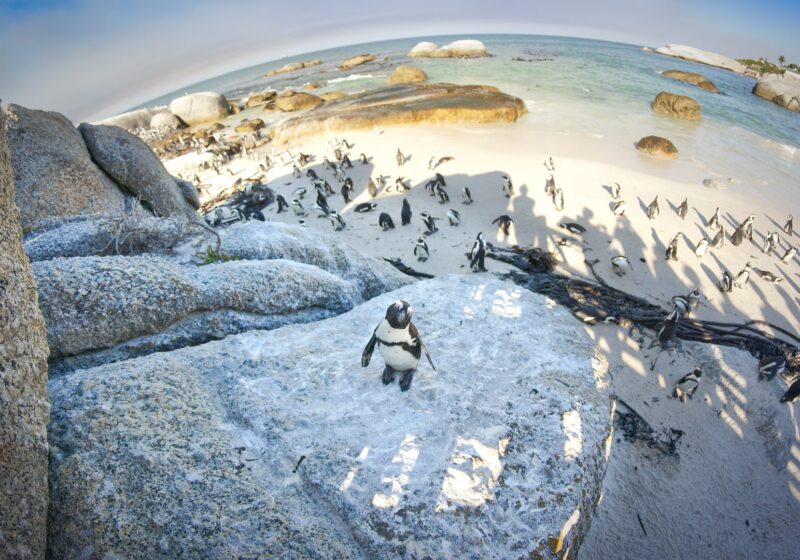
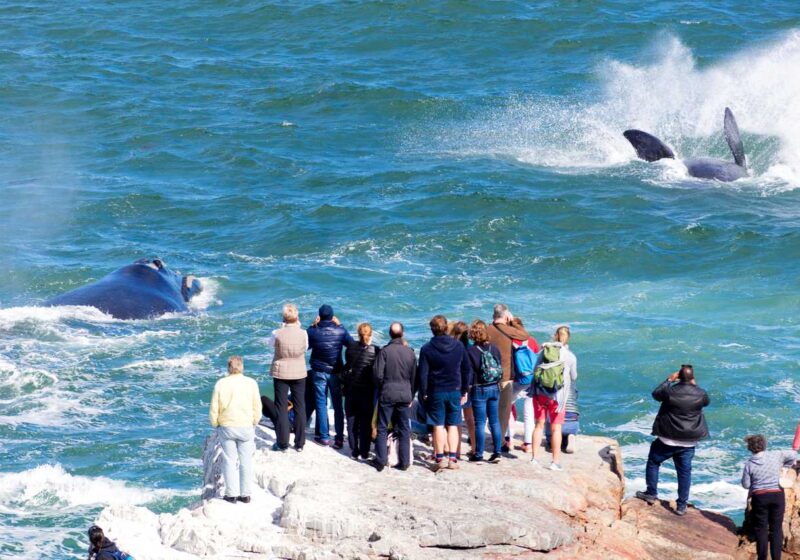
Cape Town requires time. The mountain alone — Table Mountain, Lion's Head, the Twelve Apostles — changes the light every hour. Add the V&A Waterfront, the Cape Malay Quarter of Bo-Kaap, and the penguin colony at Boulders Beach, and you have a city that absorbs days without effort. An hour east, the Winelands begin: Stellenbosch for red wines, Franschhoek for French-influenced cuisine, and Hermanus for whale watching between July and November, when southern right whales arrive to calve in Walker Bay.

KwaZulu-Natal

KwaZulu-Natal

Hluhluwe-iMfolozi · Phinda · Drakensberg · Durban

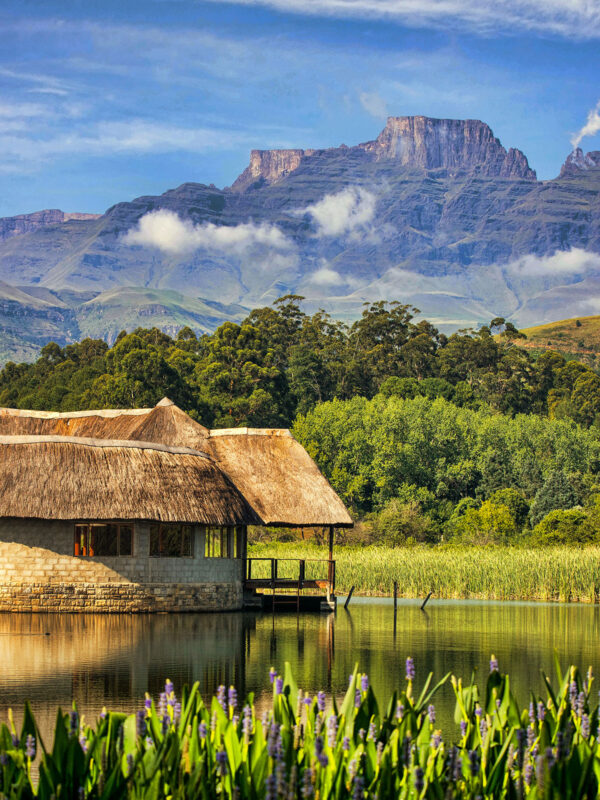
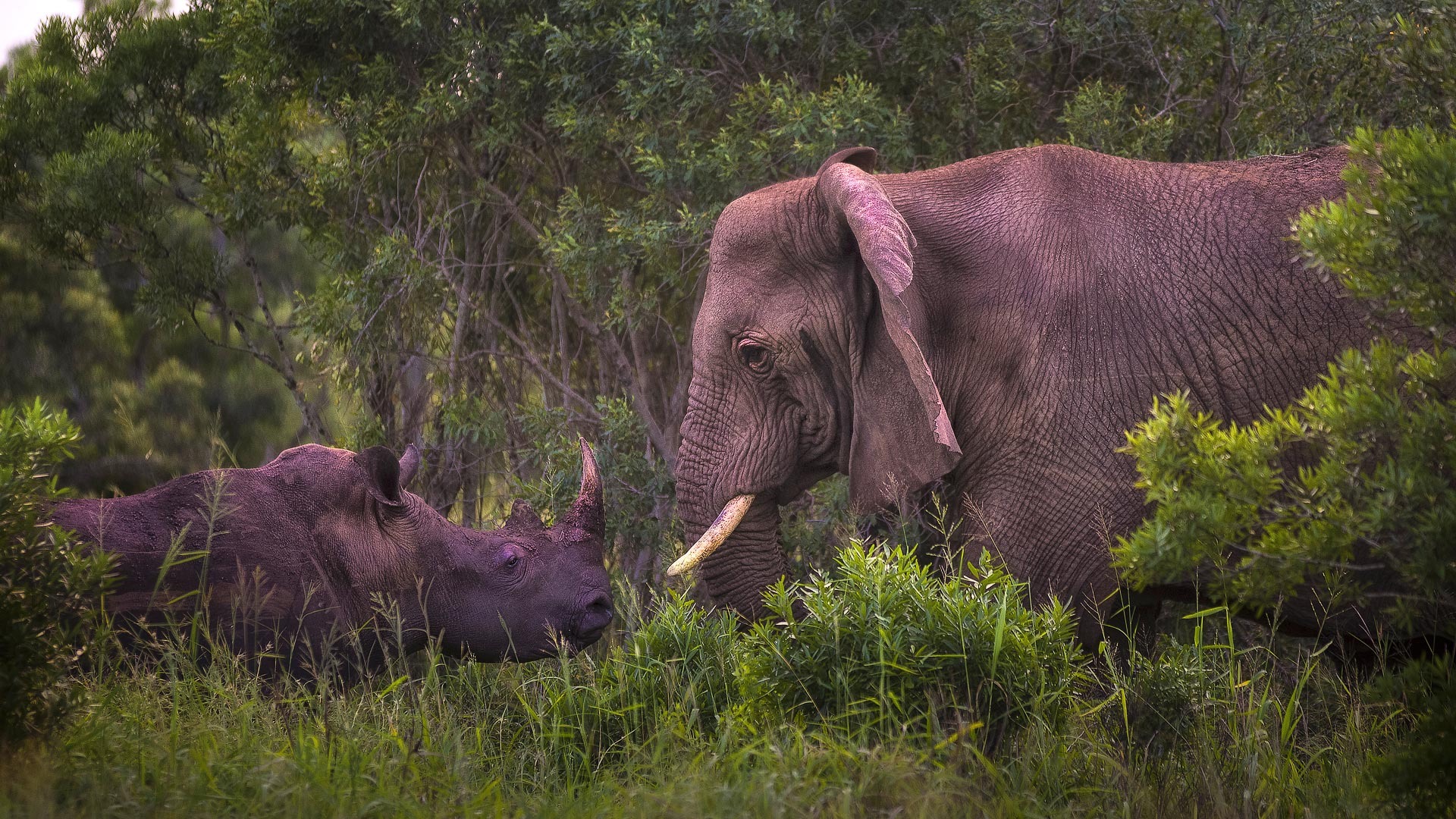
KwaZulu-Natal holds a quieter version of South Africa — one that most itineraries skip. Hluhluwe-iMfolozi is the oldest proclaimed nature reserve in Africa and the park that saved the white rhino from extinction. Phinda Private Game Reserve covers seven distinct ecosystems, including sand forest unique to this part of the world. The Drakensberg mountains to the west offer the country's most dramatic highland scenery, with San rock art panels that predate most of what is considered ancient elsewhere.

Eastern Cape

Eastern Cape

Shamwari · Addo Elephant National Park · Kariega

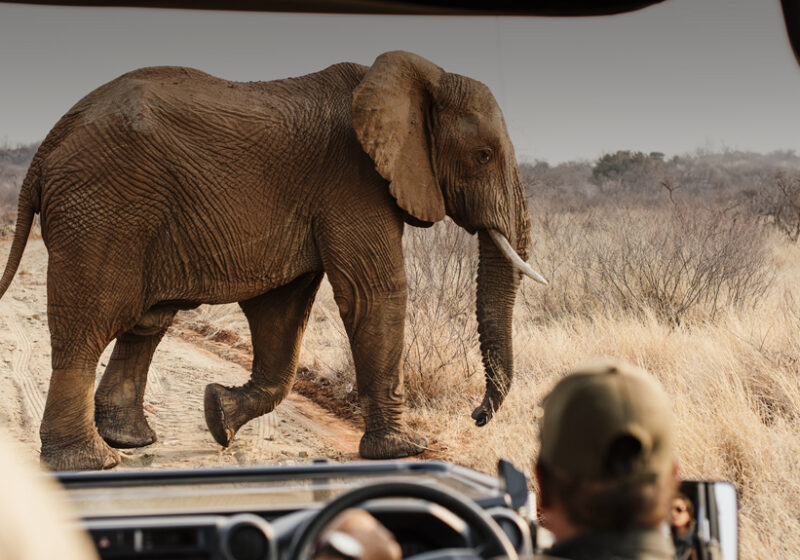
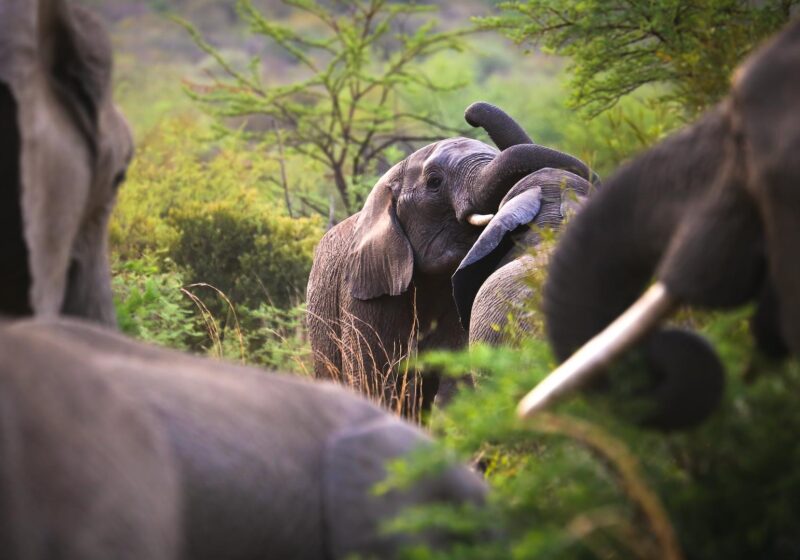
The Eastern Cape offers something increasingly rare — a malaria-free Big Five safari. Shamwari Private Game Reserve has been a benchmark property for over thirty years. Addo Elephant National Park holds one of the highest elephant densities on the continent, alongside lion, buffalo, and black rhino. The Eastern Cape is the right choice for families with younger children, for anyone with health considerations around malaria prophylaxis, or for those combining a safari with time in Cape Town.

Garden Route

Garden Route

Tsitsikamma · Knysna · Wilderness · Oudtshoorn

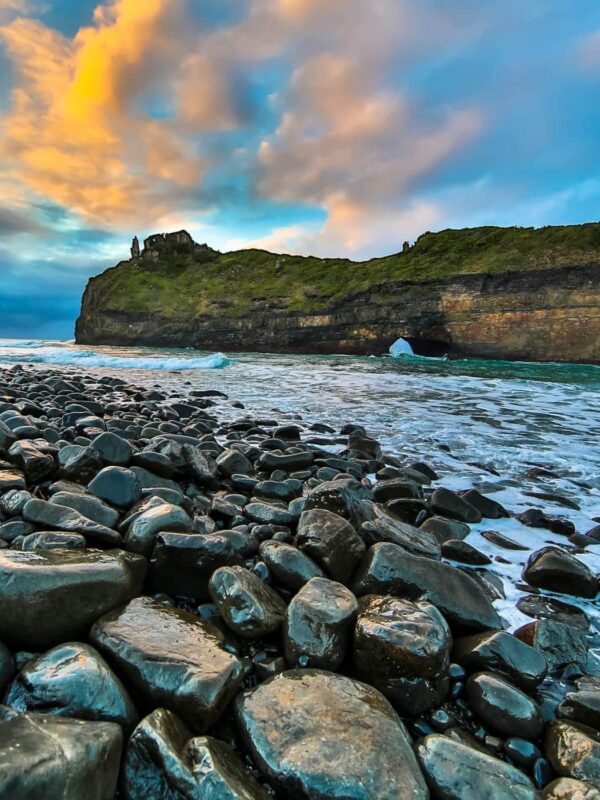
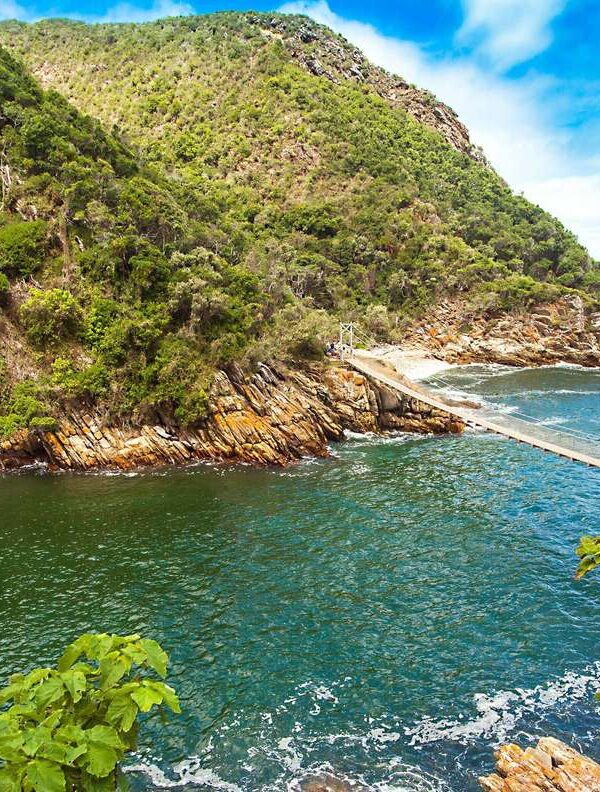
The Garden Route is best driven slowly. Tsitsikamma's ancient yellowwood forests and the suspension bridge over the Storms River mouth are worth a full day. Knysna's lagoon — ringed by the Heads, the twin sandstone cliffs at its mouth — is one of the country's most distinctive landscapes. Oudtshoorn sits in the Klein Karoo, where ostrich farms give way to the Cango Caves, one of southern Africa's great underground systems. The Garden Route works as a standalone journey or as the overland connection between Cape Town and an Eastern Cape safari.

Wildlife Parks

Where the animals
actually are.

1 / 5

Kruger National Park

Wildlife Lion, leopard, elephant, buffalo, rhino, wild dog, cheetah, hippo, crocodile
Best time May to September (dry season); year-round for general wildlife
Best for First-time safari travellers, families, Big Five seekers, self-drive enthusiasts
About this park

Sabi Sand Game Reserve

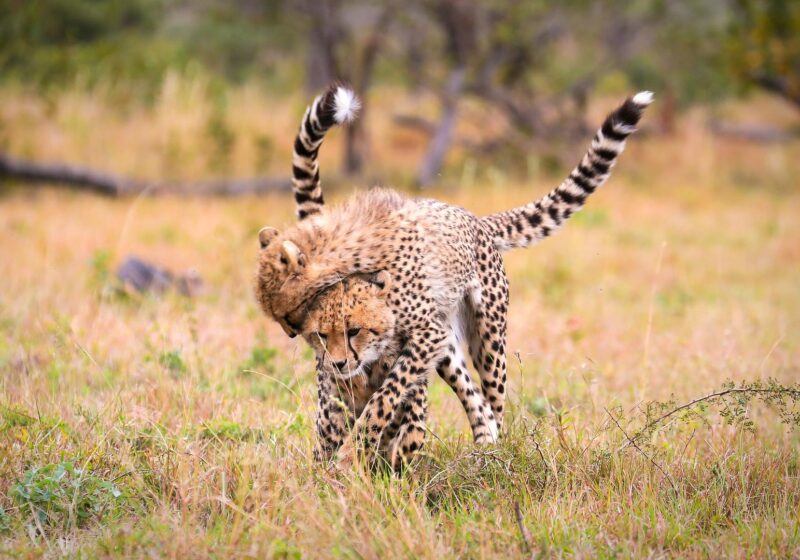
Wildlife Leopard, lion, elephant, buffalo, rhino, wild dog, hyena, genet
Best time May to October (dry season); leopard sightings year-round
Best for Leopard enthusiasts, couples, luxury travellers, repeat safari-goers
About this park

Timbavati Private Nature Reserve

Wildlife White lion, lion, leopard, elephant, wild dog, cheetah, rhino, buffalo
Best time May to September (dry season); white lion sightings unpredictable but year-round
Best for Repeat visitors, walking safari enthusiasts, wildlife photographers, those seeking exclusivity
About this park

Klaserie Private Nature Reserve

Wildlife Elephant, lion, leopard, wild dog, buffalo, hippo, crocodile, cheetah
Best time May to September (dry season); elephant congregations peak June to August
Best for Experienced safari travellers, elephant enthusiasts, those seeking solitude and exclusivity
About this park

Balule Nature Reserve

Wildlife Buffalo, lion, leopard, elephant, rhino, crocodile, hippo, wild dog
Best time May to September (dry season); buffalo herds and predator activity peak July to August
Best for Value-conscious luxury travellers, first-time private reserve visitors, bush camp enthusiasts
About this park
Beyond the Safari

What else
South Africa offers.

The experiences worth adding, or booking on their own. Wine country, scenic railways, cultural encounters — the parts of the country that most itineraries skip.

1 / 6
Boulders Beach Penguin Colony Cultural

Boulders Beach Penguin Colony

Boulders Beach, Simon's Town, Cape Peninsula

Three thousand African penguins and nobody expecting you to rush.

Learn more
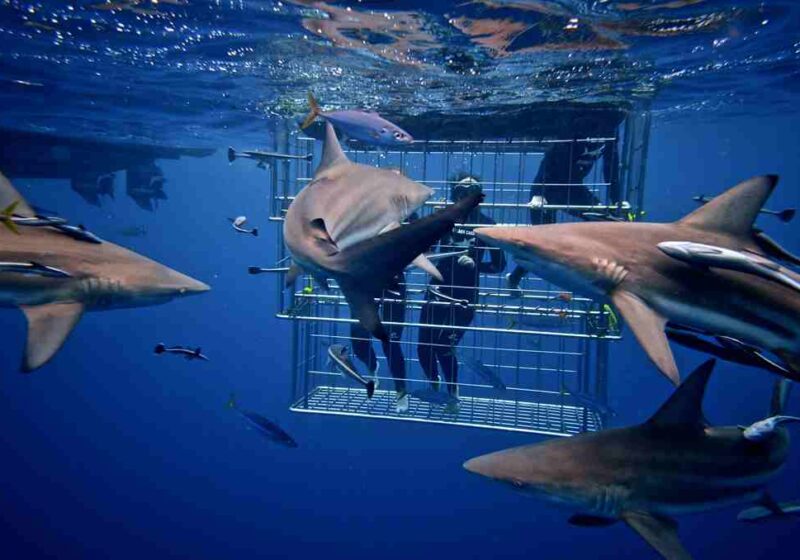
Great White Shark Cage Diving Adventure

Great White Shark Cage Diving

Gansbaai, Western Cape

Gansbaai. The cage. The water at six degrees. No narration required.

Learn more
Bo-Kaap & Cape Malay Quarter Cultural

Bo-Kaap & Cape Malay Quarter

Cape Town, Western Cape

The neighbourhood that Cape Town built on spice, colour, and memory.

Learn more
Whale Watching in Hermanus Adventure

Whale Watching in Hermanus

Hermanus, Western Cape

Southern right whales arrive every year. The question is whether you are there when they do.

Learn more
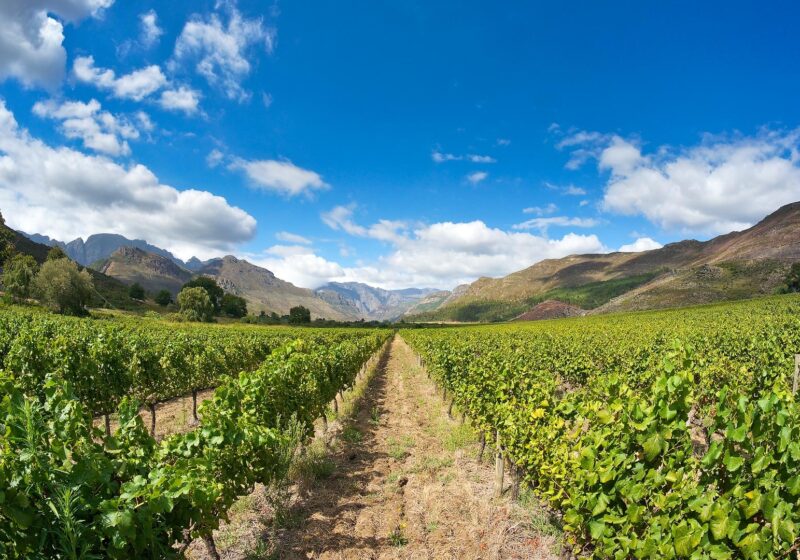
Cape Winelands — A Private Tasting Journey Culinary

Cape Winelands — A Private Tasting Journey

Western Cape, South Africa

Stellenbosch, Franschhoek, and the Hemel-en-Aarde valley, without the tour buses.

Learn more
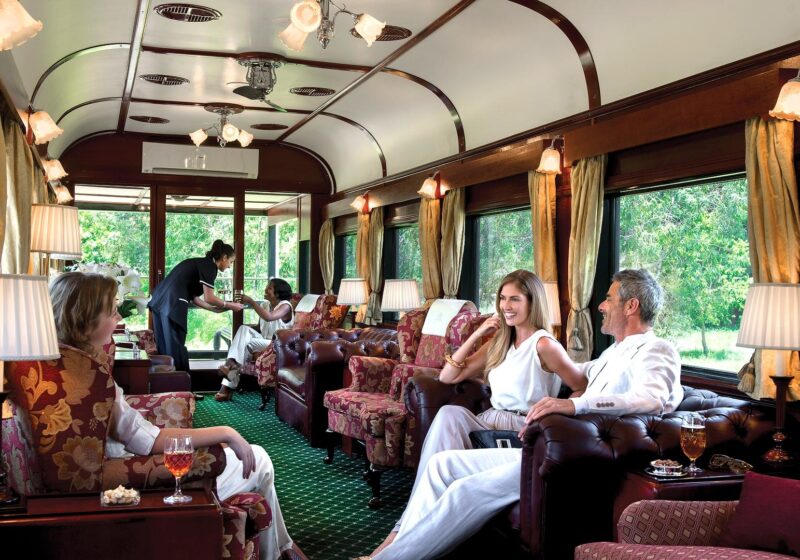
Rovos Rail Scenic

Rovos Rail

Cape Town, South Africa to Dar es Salaam, Tanzania

Fifteen days across five countries on Africa's most celebrated train.

Learn more
The Sanctuaries

Where we stay
in South Africa.

Sanctuaries for this destination are being added.

Planning

When to go
to South Africa.

May to September — Dry Season (Safari Recommended) The dry season is the classic safari window. Vegetation thins, animals concentrate around water sources, and game viewing reaches its peak in the Sabi Sands, Timbavati, and Eastern Cape reserves. Temperatures are mild — warm days, cold nights in the bush. June and July bring some of the best leopard sightings of the year. This is also the beginning of whale season along the Western Cape coast.

October to November — Shoulder Season Rains begin in the north and east, bringing new grass and migrant birds that arrive in extraordinary numbers. The bush greens quickly. Animal sightings become more effort but photography improves dramatically — the light changes, the landscape fills in, and the newborn season begins in October. Prices drop slightly from peak rates.

December to March — Green Season (Cape Recommended) The Cape Peninsula and Winelands are at their finest from November through February. Long days, warm temperatures, and the grape harvest in January and February coincide. Game viewing in the north is harder during these months but not impossible — the private reserves hold Big Five year-round. December and January see peak visitor numbers in Cape Town; book well ahead.

April — The Quiet Month April sits between the rains and the dry season. The bush is still green, crowds have thinned, and the air is clear. For those whose schedule allows flexibility, April offers exceptional value and conditions that combine elements of both seasons.

Practical Notes

Visas: Most nationalities, including UK, US, EU, and Kenyan passport holders, receive a free 90-day visa on arrival. No advance application needed. Your passport must have at least two blank pages and six months’ validity beyond your travel dates.

Currency: South African Rand (ZAR). Cards are widely accepted in Cape Town, Johannesburg, and at most lodges. Keep small notes for tips, guides and camp staff appreciate cash. Most camps include gratuities in a suggested daily amount; we’ll brief you before you travel.

Health: Malaria is present in the Lowveld (Kruger, Sabi Sands, Timbavati) and Limpopo areas, particularly from October to April. The Western Cape, Winelands, and Garden Route are malaria-free. Speak to a travel health clinic about prophylactics — we recommend doing this 4–6 weeks before departure. Yellow fever vaccination is required only if arriving from an endemic country.

Getting There: O.R. Tambo International in Johannesburg and Cape Town International are the main entry points. Most international flights from Europe and the US connect through one of these. Domestic flights between Cape Town and the Kruger-area airports (Skukuza, Hoedspruit, Phalaborwa) are straightforward and take under two hours.

Getting Around: We handle all transfers. Game drives are conducted in open 4×4 vehicles with your guide. If your itinerary includes Cape Town and the bush, a domestic flight between the two is almost always the right call, the drive is long, and the flight is short.

Electricity South Africa uses Type M plugs (three large round pins). Voltage is 230V. Most lodges provide adaptor kits; worth packing a universal adaptor as a backup.

Time Zone SAST — UTC+2. No daylight saving time. Two hours ahead of London in winter, one hour ahead in summer.

South Africa questions
What people ask
about South Africa.

It depends on which part of South Africa you visit. The Kruger area and private reserves bordering it — Sabi Sands, Timbavati — are malaria zones, and prophylaxis is recommended. The Eastern Cape reserves, including Shamwari and Addo, are malaria-free, as is Cape Town and the Garden Route. If malaria medication is a concern for you or your family, we can design an itinerary entirely within malaria-free areas without compromising on the quality of the safari experience.

The safari regions and tourist areas we work within; private game reserves, Cape Town's visitor districts, the Winelands, the Garden Route, have excellent safety records and are well-accustomed to international visitors. As with any destination, some common-sense precautions apply in urban areas, particularly Johannesburg. We brief all clients thoroughly before travel and work only with ground operators and properties whose safety standards we trust from direct experience.

The two experiences are genuinely different rather than one being better than the other. South Africa's private reserves offer more intimate, exclusive wildlife encounters — smaller guest numbers, no other vehicles at a sighting, night drives and walking safaris that are not available inside Kenya's national parks. East Africa's parks offer greater scale and the spectacle of the wildebeest migration, which has no equivalent anywhere. Many of our clients visit both over the course of a longer journey, which is the most honest answer we can give.

Seven nights is the absolute minimum for a meaningful experience, and only if you choose one focus — either a safari or Cape Town. Ten to twelve nights allows you to combine both without feeling rushed. Our most considered South Africa journeys run between ten and fifteen nights, incorporating a private reserve, Cape Town, the Winelands, and one additional experience — whale watching, the Garden Route, or the Eastern Cape.

Yes, and several combinations work exceptionally well. South Africa with Zimbabwe for Victoria Falls is a natural pairing, particularly if you include the Rovos Rail segment between the two. South Africa with Botswana gives you the private reserve experience followed by the Okavango Delta — two very different environments with entirely different wildlife profiles. South Africa as a standalone first journey, followed by Kenya or Tanzania the following year, is the pattern we see most often among clients who return.

South Africa

South Africa requires more days than most itineraries give it. Let us design one that does it properly.

Or message us on WhatsApp