What we know
about Zimbabwe.
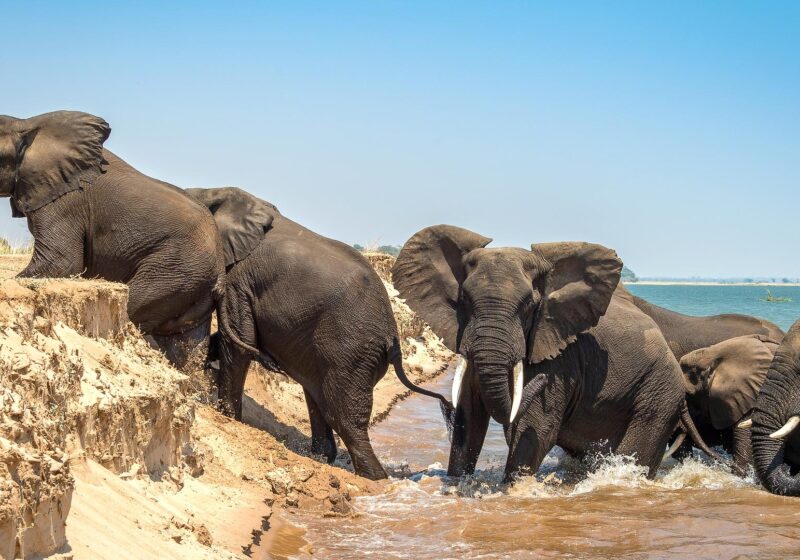
Zimbabwe is where serious safari travellers go when they have decided that crowd density and convenience are not the measures of a good journey. The country has been undervisited relative to its neighbours for a generation — a consequence of political history that kept international tourism low and, paradoxically, kept the wildlife intact. The Hwange National Park elephant population, at over fifty thousand individuals, is the largest on earth. Mana Pools, on the Zambezi floodplain, is the only park in Africa where visitors are permitted to walk unguided among lion and elephant. The Matobo Hills hold the highest density of leopard on the continent. Zimbabwe has been holding these things quietly while the safari industry looked elsewhere.
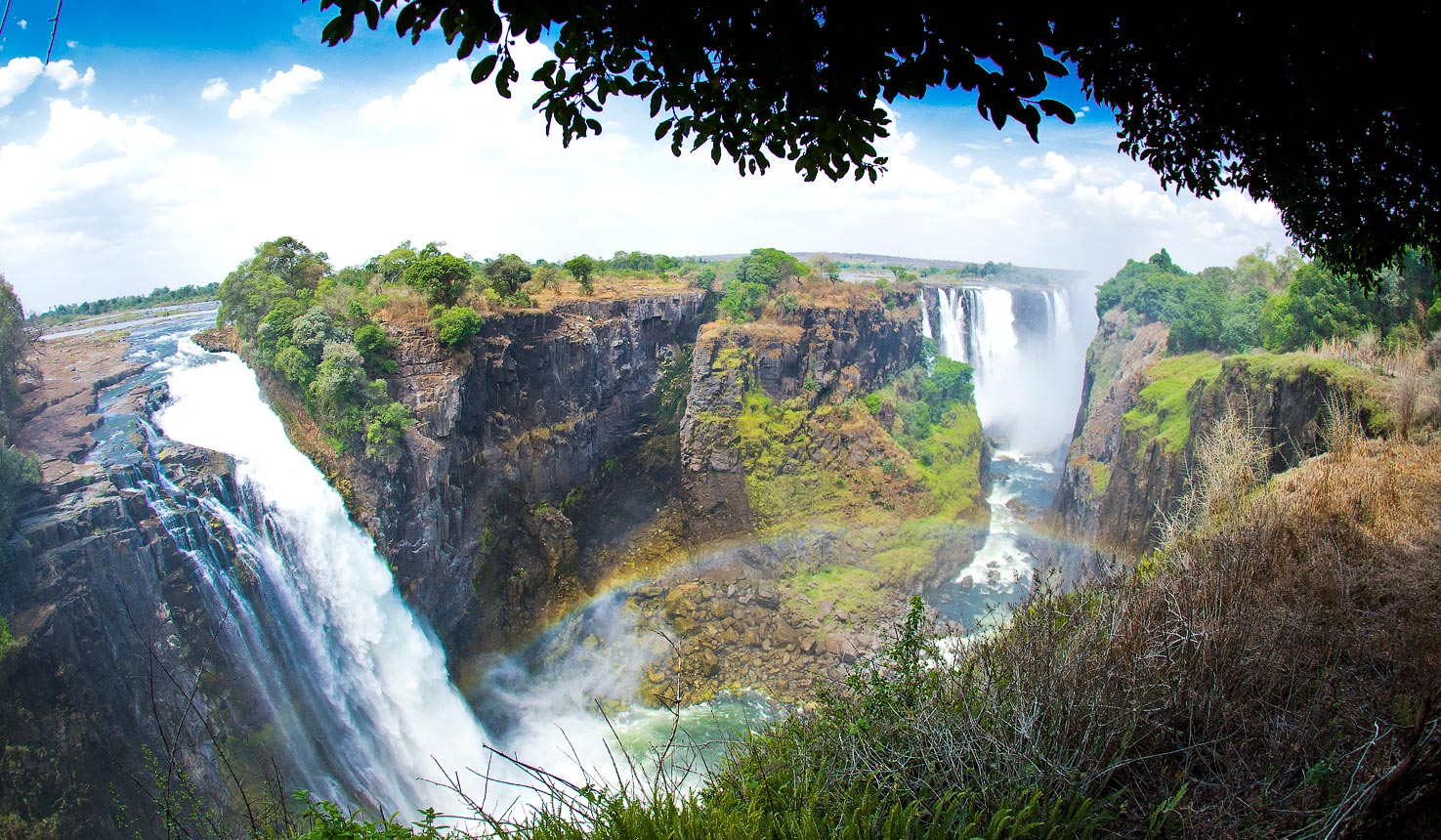
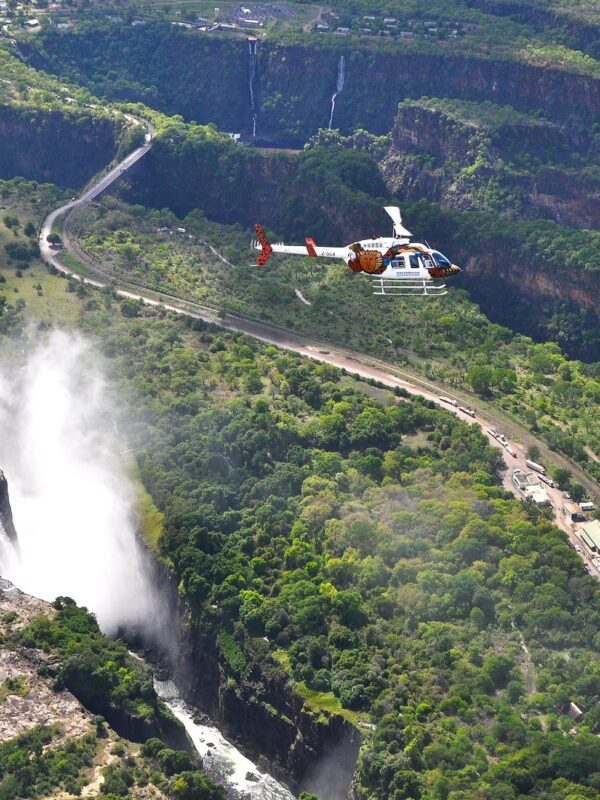
The Zambezi River defines Zimbabwe’s northern border and its most celebrated safari experiences. Victoria Falls — Mosi-oa-Tunya, the smoke that thunders — is one of the natural world’s genuinely overwhelming moments: a curtain of water one hundred and eight metres high and one hundred and seventy metres wide, audible from twenty kilometres, visible as spray from thirty. The falls are not a wildlife destination but they are a legitimate reason to begin or end a Zimbabwe itinerary, and the town of Victoria Falls has the infrastructure — good hotels, activity operators, easy flight connections — to function as a gateway without demanding more time than it deserves.
Beyond the Zambezi corridor, Zimbabwe’s central and southern landscapes offer experiences of a different register entirely. The Matobo Hills — ancient granite kopjes south of Bulawayo, shaped by two billion years of geological process into formations of extraordinary improbability — hold San rock art sites dating back over thirteen thousand years, white and black rhino in accessible numbers, and the grave of Cecil John Rhodes on a hilltop with a view that explains why he chose it. The Matabeleland plateau, the lowveld, and the Save Valley Conservancy in the southeast hold wildlife in landscapes that have never been part of the standard safari circuit and reward the visitor willing to move beyond the map that other operators have drawn.
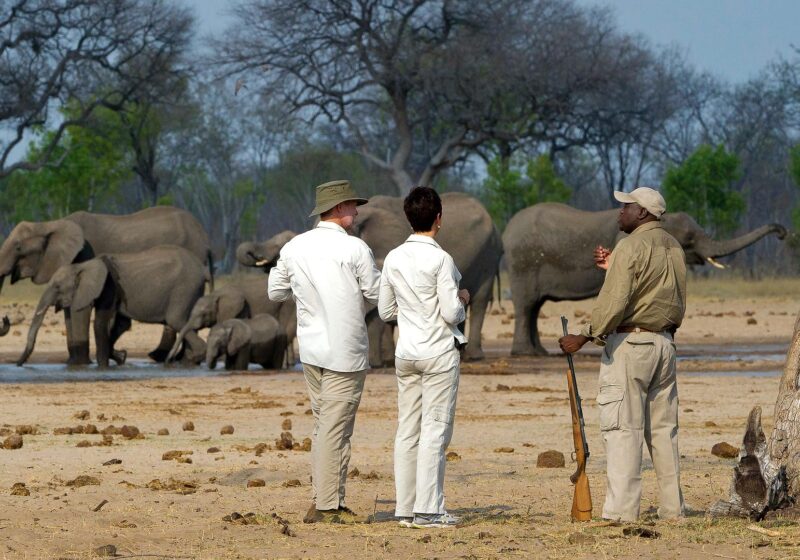
Zimbabwe’s safari culture has a specific character that experienced travellers recognise immediately — a particular tradition of walking safari, developed here over decades by guides whose credentials and field knowledge are among the best in Africa, conducted in parks large enough and wild enough to make the experience genuinely rather than performatively dangerous. The Professional Guide qualification in Zimbabwe is the most demanding in East Africa. The guides who hold it know it, and the confidence it produces in the bush is something the camps here carry as a point of institutional pride.
Where to go
in Zimbabwe.
Hwange National Park & Private Concessions
Main Camp, Sinamatella, Linkwasha, Somalisa, Davison's
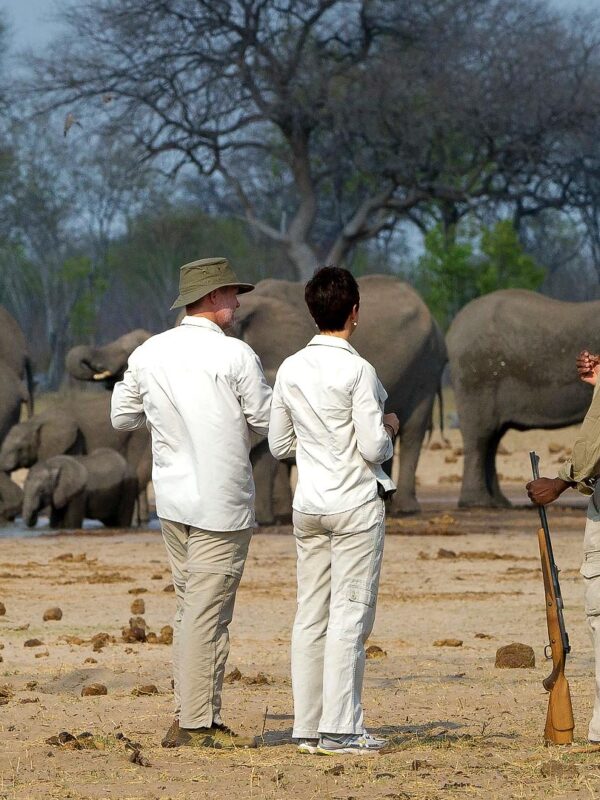
Zimbabwe's largest national park and one of Africa's great elephant strongholds — over fifty thousand individuals ranging across fourteen thousand square kilometres of mopane and Kalahari sand forest. The private concessions in the park's northeast, accessible only to guests of the camps that hold them, offer walking safari, night drives, and a density of predator activity around the permanent waterholes that is extraordinary in the dry season. Lion, wild dog, and cheetah are all present in meaningful numbers alongside the elephant herds.
Mana Pools National Park
Nyamepi, Vundu, Ruckomechi, Chikwenya
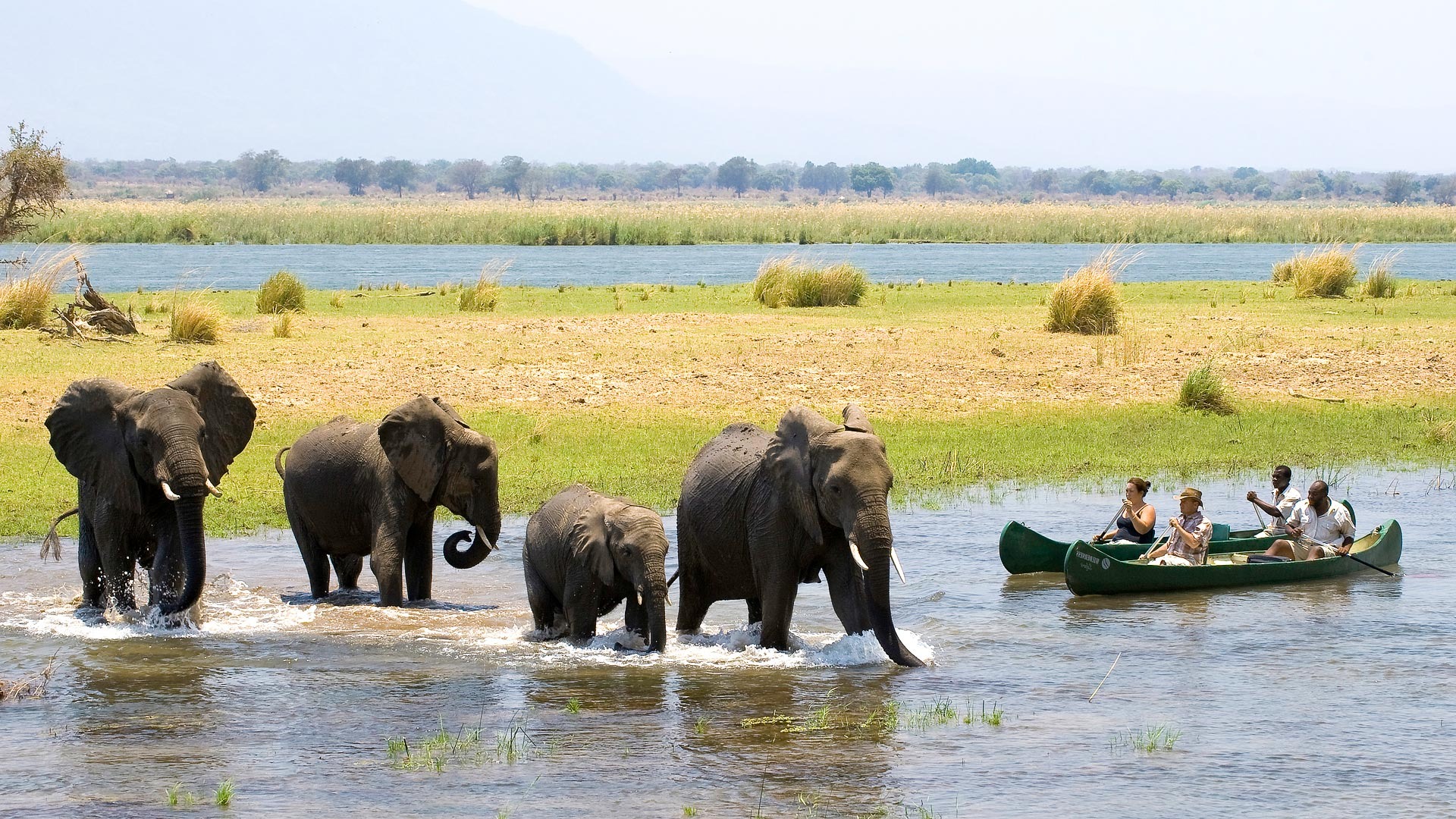
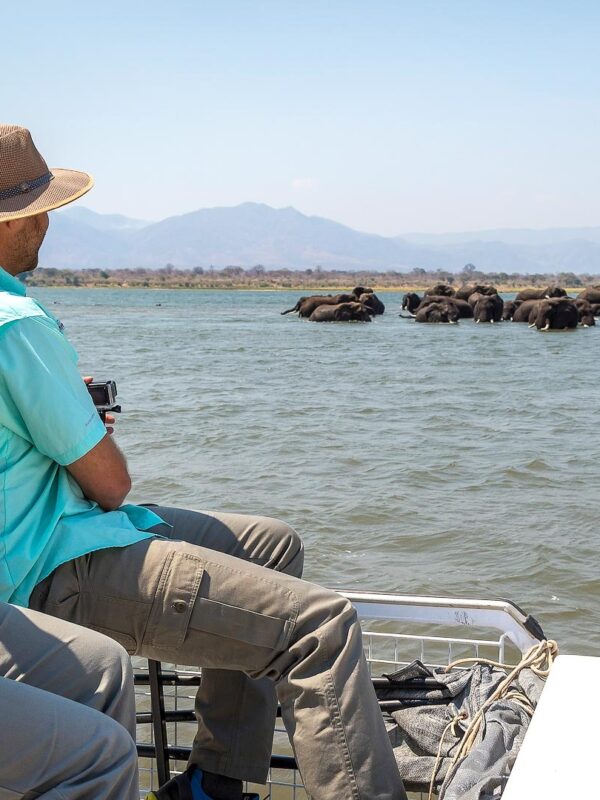
A UNESCO World Heritage Site on the Zambezi floodplain, Mana Pools is Zimbabwe's most extraordinary park and one of the last places in Africa where the relationship between humans and wildlife exists without a fence between them. Walking unguided among elephant and lion is permitted here — a privilege extended nowhere else on the continent — and the guided walking safaris operate at a level of intimacy and intensity that the vehicle-based parks of the north cannot approximate. Canoe safaris on the Zambezi add a further dimension. Best visited April to October.
Victoria Falls & the Zambezi Corridor
Victoria Falls town, Zambezi National Park, Chobe border
The world's largest waterfall and Zimbabwe's most visited destination, functioning as a natural gateway for both the country and the wider region. The falls are best experienced from the Zimbabwean side — the full curtain visible, the spray drenching, the Devil's Pool accessible in low water season. The Zambezi National Park upstream holds good game. Victoria Falls town connects easily to Botswana's Chobe by road and to Hwange and Mana Pools by charter flight.
Matobo Hills & Matabeleland
Matobo National Park, Bulawayo, Antelope Park
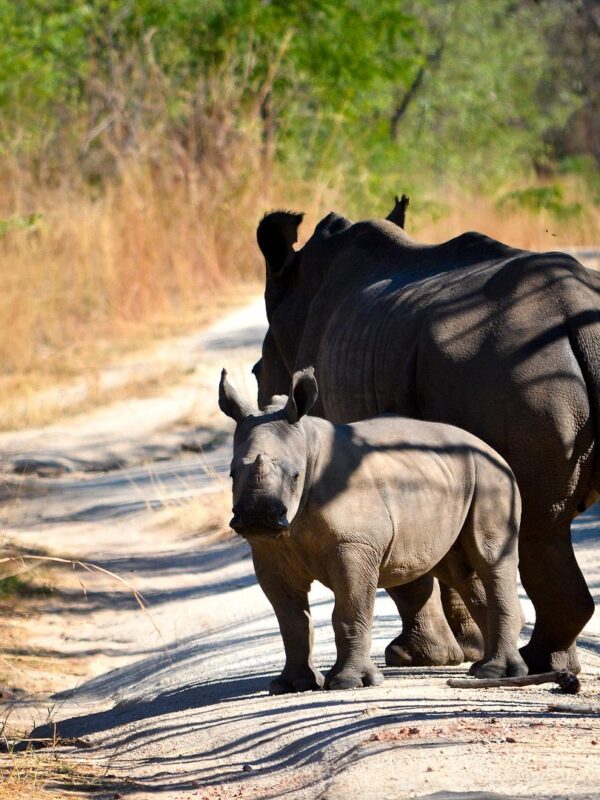
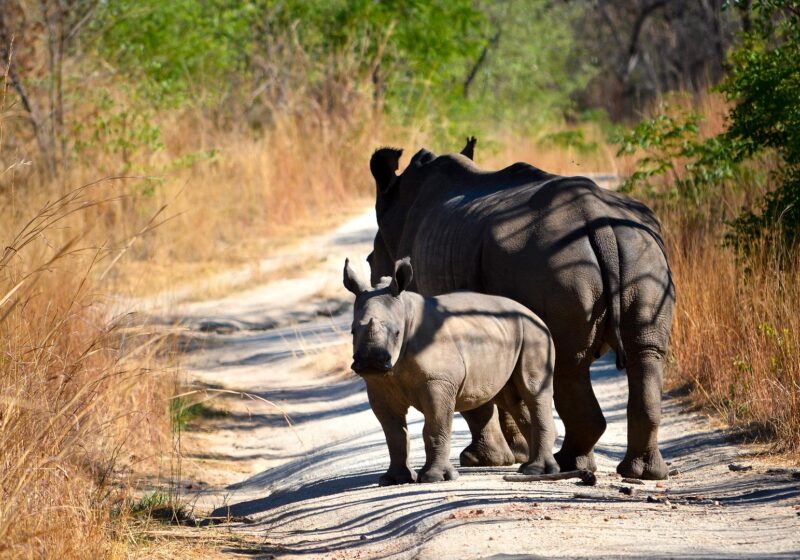
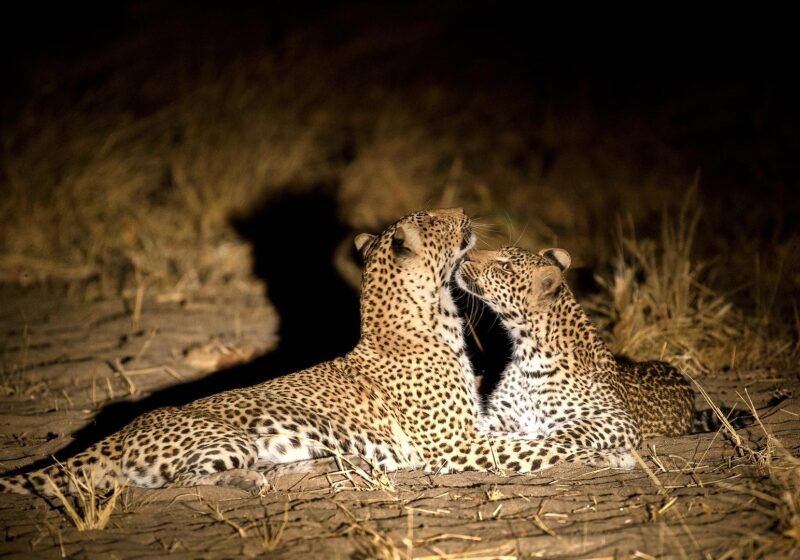
Ancient granite landscapes south of Bulawayo holding the highest recorded leopard density on earth, white and black rhino on open ground, and over three thousand San rock art sites in the kopjes and caves of a UNESCO-listed national park. The rhino tracking experience here — on foot, with a ranger, in a landscape that feels prehistoric — is among the most compelling in southern Africa. Bulawayo, Zimbabwe's second city, is worth a day for its National Museum and its Matabeleland cultural context.
Matusadona & Lake Kariba
Matusadona National Park, Fothergill Island, Spurwing Island
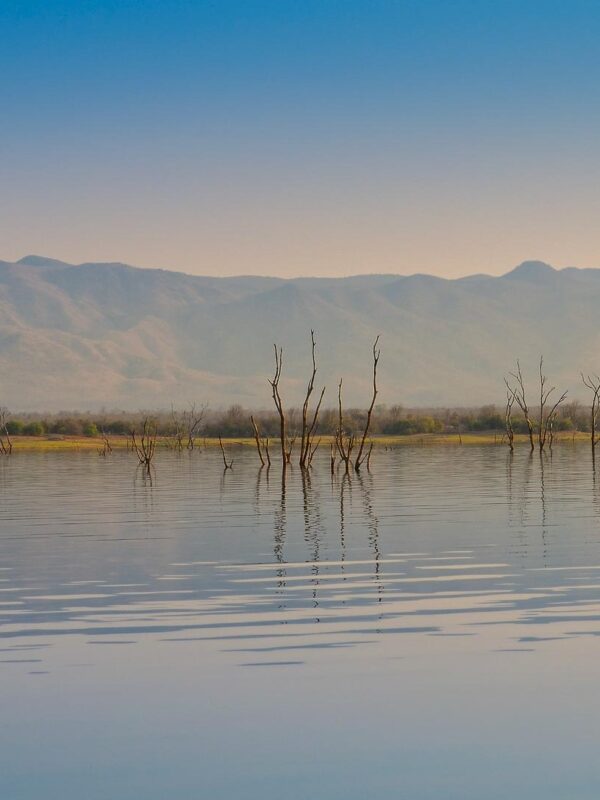
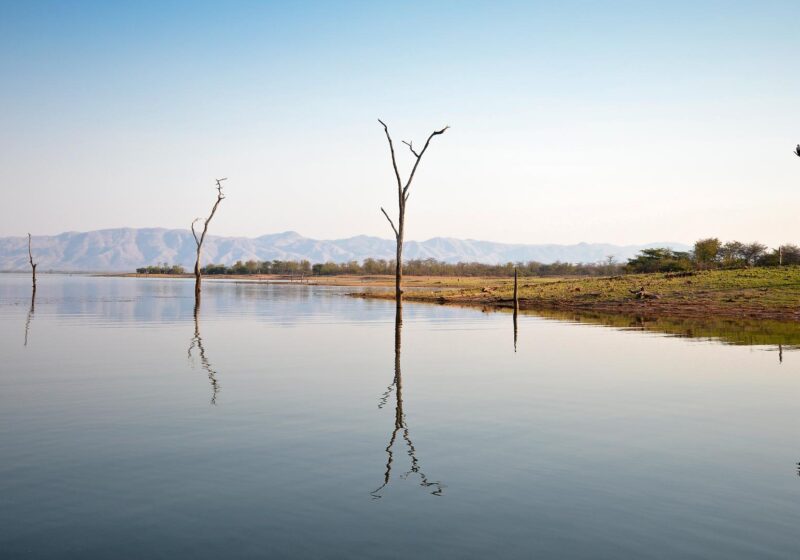
Lake Kariba, created by the Kariba Dam in 1958, is one of the world's largest man-made lakes — a vast inland sea whose drowned forest margins hold elephant, lion, and buffalo in landscapes of a specifically melancholy beauty. Houseboat safaris on the lake combine game viewing from the water with sundowners above the submerged tree trunks at sunset. Matusadona National Park on the southern shore offers conventional game drives in a park that sees very few visitors and holds its wildlife with corresponding wildness.
Our Zimbabwe
safaris.
Zimbabwe safaris are being added. Check back shortly.
Where the animals
actually are.
What else
Zimbabwe offers.
The experiences worth adding, or booking on their own. Wine country, scenic railways, cultural encounters — the parts of the country that most itineraries skip.
 Scenic
Hwange Waterhole — Night Vigil
Hwange National Park, Private Concessions, Zimbabwe
A Hwange waterhole after dark. Hundreds of elephant at once.
Learn more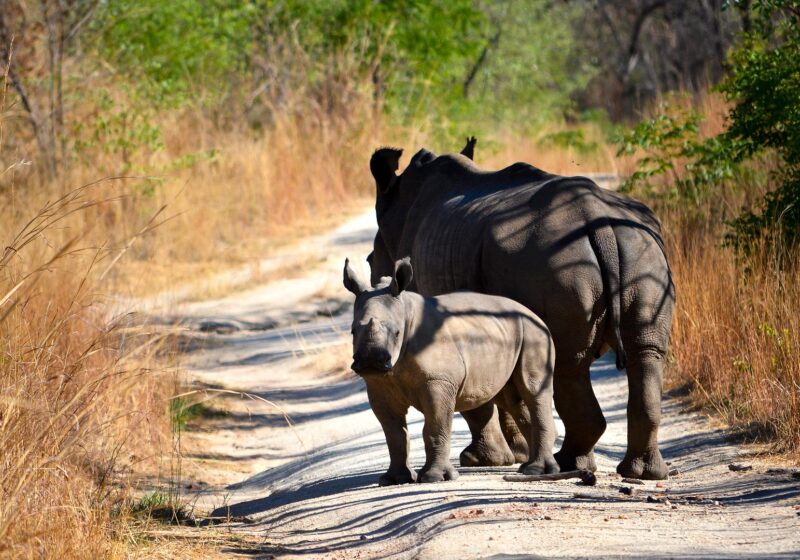 Adventure
Rhino Tracking on Foot — Matobo Hills
Matobo National Park, Zimbabwe
The world's highest leopard density. Africa's best rhino tracking.
Learn more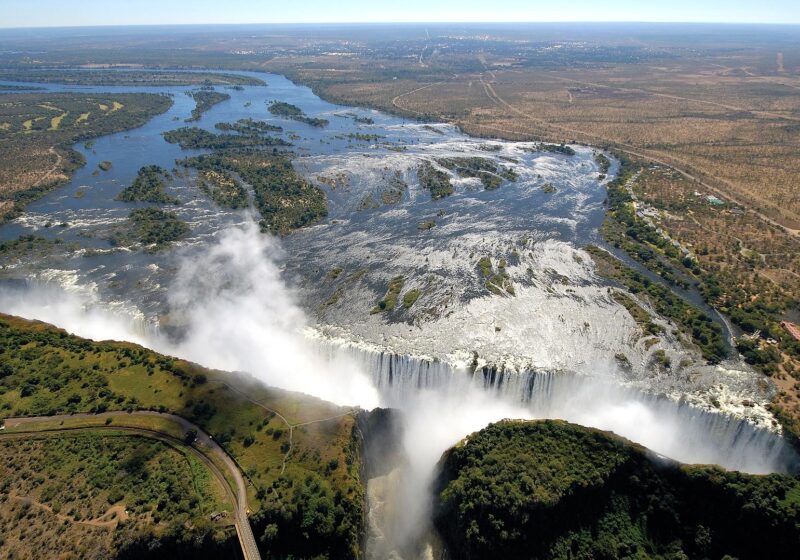 Scenic
Victoria Falls — The Full Experience
Victoria Falls, Zimbabwe
One hundred and eight metres of falling water. Nothing compares.
Learn more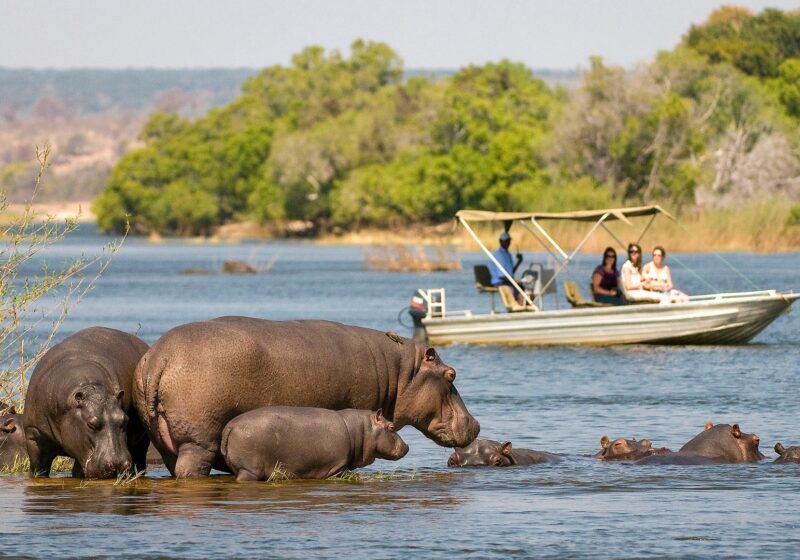 Adventure
Canoe Safari — The Middle Zambezi
Mana Pools National Park, Zambezi River, Zimbabwe
The Zambezi at water level, at your own pace.
Learn more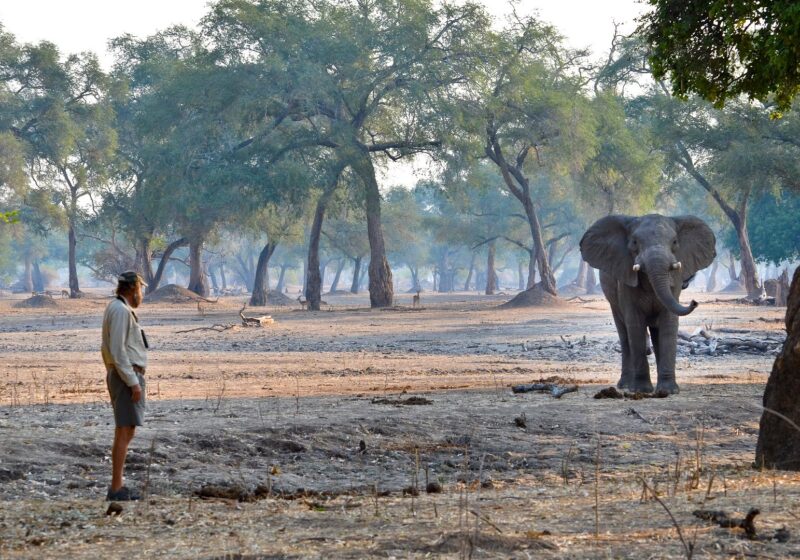 Adventure
Walking Safari — Mana Pools National Park
Mana Pools National Park, Zimbabwe
The only park in Africa where you walk unguided among lion.
Learn more
Where we stay
in Zimbabwe.
Sanctuaries for this destination are being added.
When to go
to Zimbabwe.
May – October: The Dry Season
Zimbabwe’s prime safari season. Vegetation thins, waterholes concentrate wildlife, and the walking safari conditions in Mana Pools reach their annual peak. Hwange’s private concession waterholes in August and September hold elephant gatherings of several hundred individuals at a time. Mana Pools is at its most productive from May onwards as the Zambezi drops and the floodplain dries. Victoria Falls is lower but more accessible for activities including the Devil’s Pool in September and October.
November – December: The Build-Up
Hot, dry, and increasingly tense before the rains break. The wildlife viewing in Hwange and Mana Pools remains excellent through November — some operators argue it is the best predator month of all, with prey animals weakened and predators active around the last remaining water. Victoria Falls begins to fill again from November. Most camps remain open; some in Mana Pools close in November ahead of the flood season.
January – April: The Green Season
The rains transform Zimbabwe’s landscapes — mopane woodland in full leaf, the Zambezi in flood, Mana Pools inaccessible. Most Mana Pools camps close from December to March. Hwange and Matobo remain open year-round. The green season rewards birding — Zimbabwe’s summer migrants arrive in November and the bush fills with species absent for the rest of the year. Some camps offer significant rate reductions.
Practical Notes
Getting There
Victoria Falls Airport (VFA) and Harare International Airport (HRE) are Zimbabwe’s two main gateways. Victoria Falls connects directly to Johannesburg on South African Airways and other carriers; from Johannesburg, connections to all major international hubs are straightforward. Harare connects to Nairobi, Addis Ababa, Dubai, and Johannesburg. Flying time from London to Johannesburg with onward connection: approximately 13 hours total. Internal charter flights connect Victoria Falls, Hwange, Mana Pools, and Kariba efficiently.
Visas & Entry
Zimbabwe operates a visa-on-arrival system for most nationalities, available as a single-entry or KAZA UniVisa — the latter covering both Zimbabwe and Zambia and recommended for any itinerary crossing both countries. The KAZA UniVisa is purchased at the border or at Victoria Falls or Livingstone airports. Your consultant will confirm current requirements at the time of booking.
Getting Around
Light aircraft charter is the standard mode of movement between Zimbabwe’s major safari areas — the distances between Hwange, Mana Pools, and Victoria Falls are manageable by road but the charter network is reliable and time-efficient. Canoe safaris on the Zambezi are a mode of transport as much as an experience in Mana Pools. Road transfer between Victoria Falls and Hwange takes approximately two hours on a good tar road.
Currency
Zimbabwe has operated a multi-currency system for over a decade; US Dollars are the effective currency for all tourism transactions. Camps and lodges are fully inclusive. ATMs in Victoria Falls and Harare dispense USD. Bring sufficient cash for gratuities and any town-based purchases.
Health & Vaccinations
Anti-malarial medication is recommended for all safari regions. Yellow fever vaccination is required if arriving from an endemic country. The Matobo Hills at higher altitude are lower risk than the Zambezi valley. Consult a travel health clinic at least six weeks before departure.
What people ask
about Zimbabwe.
The safari regions — Hwange, Mana Pools, Victoria Falls, and Matobo — have excellent safety records and have remained open and welcoming to international visitors throughout Zimbabwe's political difficulties. The camps and their staff are professional, experienced, and deeply invested in the quality of the visitor experience. We monitor conditions in every destination we operate in and would tell you honestly if we had any concerns. Zimbabwe's safari areas are, by any reasonable measure, among the safest and most rewarding in Africa.
Two things: the quality of the guides and the wildness of the parks they operate in. The Professional Guide qualification in Zimbabwe is the most demanding in southern Africa — a multi-year process combining field hours, theoretical examinations, and practical assessments that produces guides of exceptional competence and confidence. Mana Pools compounds this by permitting unguided walking — a policy that exists nowhere else in Africa and that changes the character of the experience entirely. Walking with a Zimbabwe guide in Mana Pools is the closest most people will come to understanding what it feels like to be genuinely part of the bush rather than an observer of it.
They are complementary rather than comparable. Botswana's Okavango Delta offers a water-based safari experience of extraordinary beauty and strong wildlife in a landscape unlike anywhere else in Africa. Zimbabwe's strength is its walking safari tradition, its elephant numbers, and the sense of genuine wildness that comes from parks that see fewer visitors than their quality would justify. A combined Zimbabwe and Botswana itinerary — Mana Pools and Hwange into the Okavango — is one of the most complete southern Africa journeys we build.
It depends what you want from the falls. February to May produces the maximum water flow — the falls are at full curtain, the spray drenching, the noise overwhelming, and the view of the full face partially obscured by mist. September and October offer lower water, clearer views of the full geological structure, and access to the Devil's Pool on the Zambian side — a natural rock pool at the lip of the falls where swimming is possible. Both experiences are genuine; neither is wrong.
Yes, and Victoria Falls makes it seamless — the falls straddle the border, both countries have airports at the falls, and the KAZA UniVisa covers entry to both. A Zimbabwe and Zambia combination typically pairs Mana Pools with the Lower Zambezi National Park across the river — two of the best walking safari destinations in Africa, facing each other across the same stretch of the Zambezi, each with its own character and its own camps.