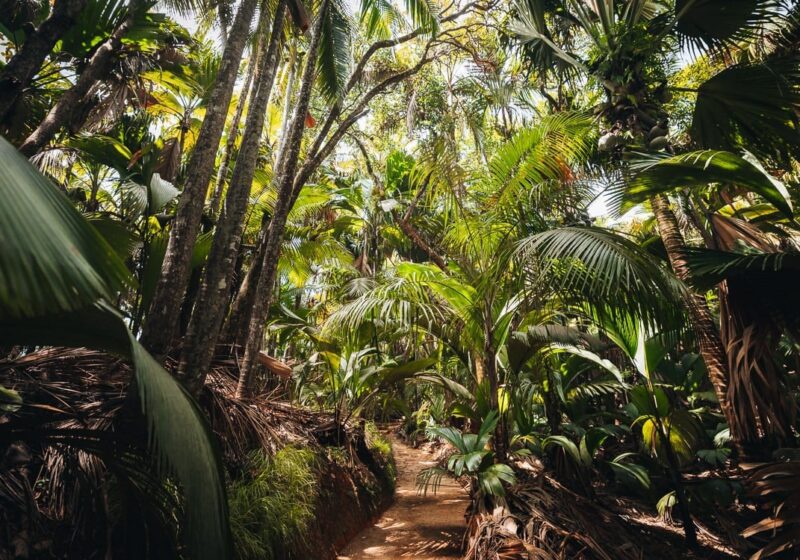
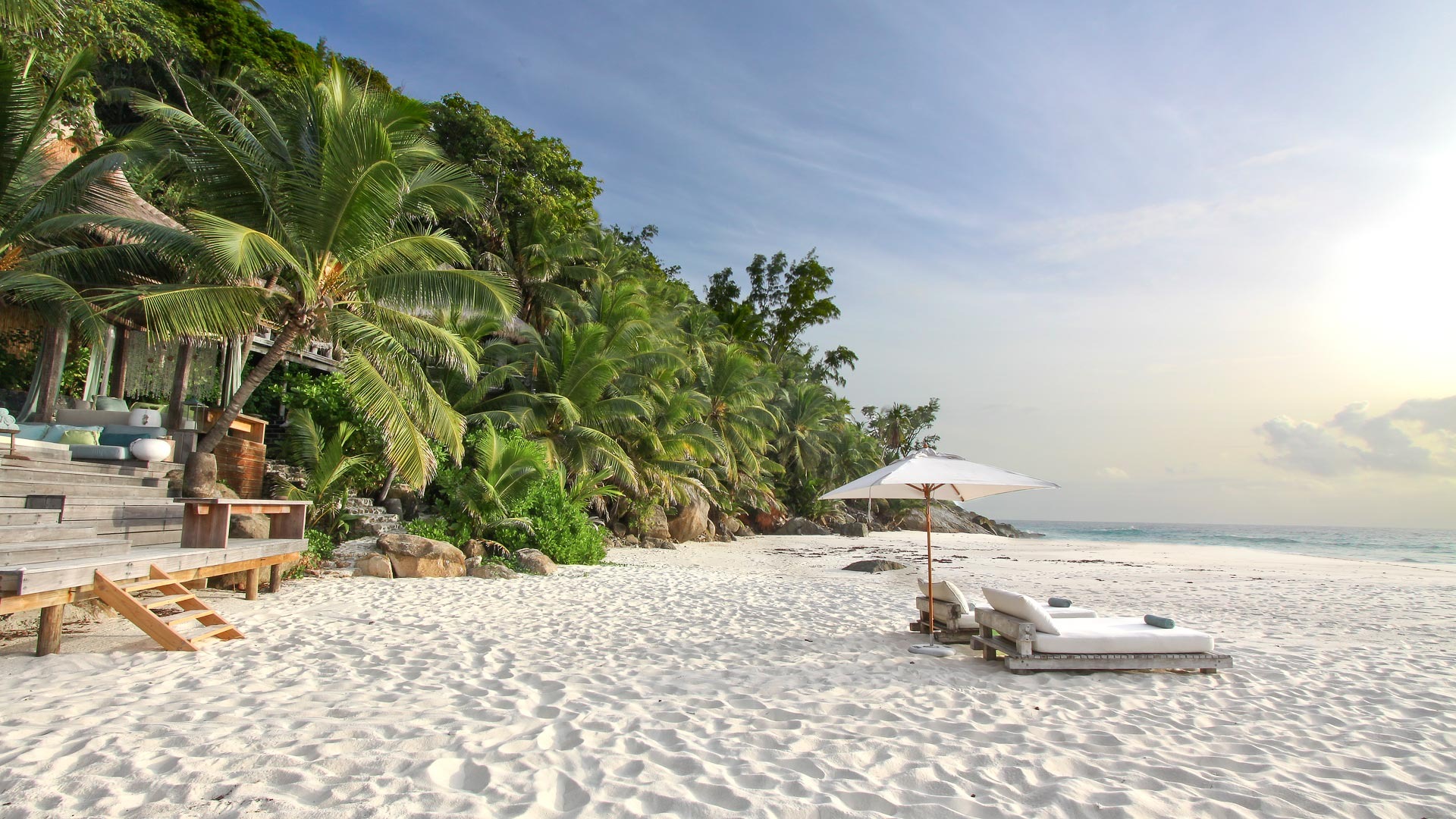
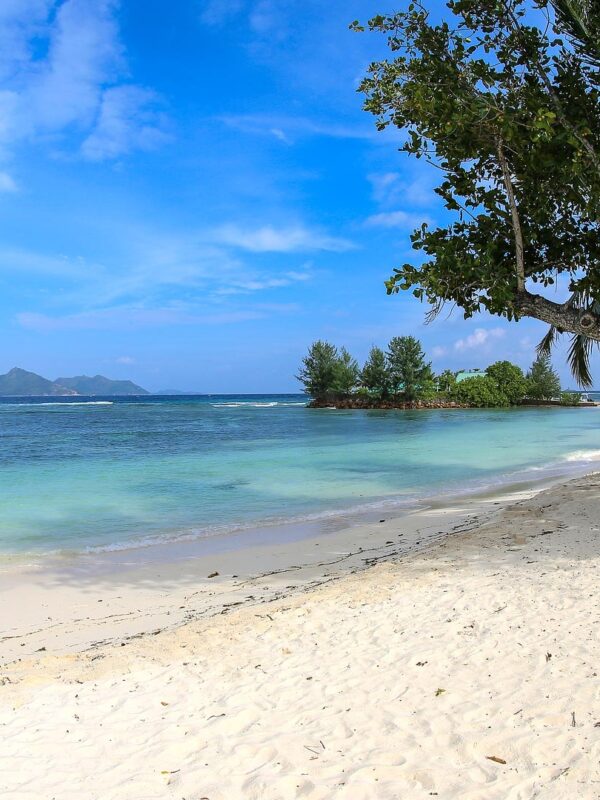
The Seychelles archipelago sits in the Indian Ocean eight hundred kilometres northeast of Madagascar — a scatter of one hundred and fifteen islands, some granite and ancient, some coral and barely above sea level, each with its own character and its own argument for why it deserves more time than the average itinerary gives it. The granite islands of the inner archipelago — Mahé, Praslin, La Digue — are the oldest oceanic islands on earth, remnants of the Gondwana supercontinent that broke apart ninety million years ago and left these granitic outcrops stranded in the Indian Ocean while the surrounding seafloor spread away from them. Their age explains their endemic species: the coco de mer palm, which produces the largest seed in the plant kingdom; the Seychelles giant tortoise; the black parrot found only in Praslin’s Vallée de Mai. Islands this old and this isolated accumulate biological distinctiveness the way old places accumulate history.
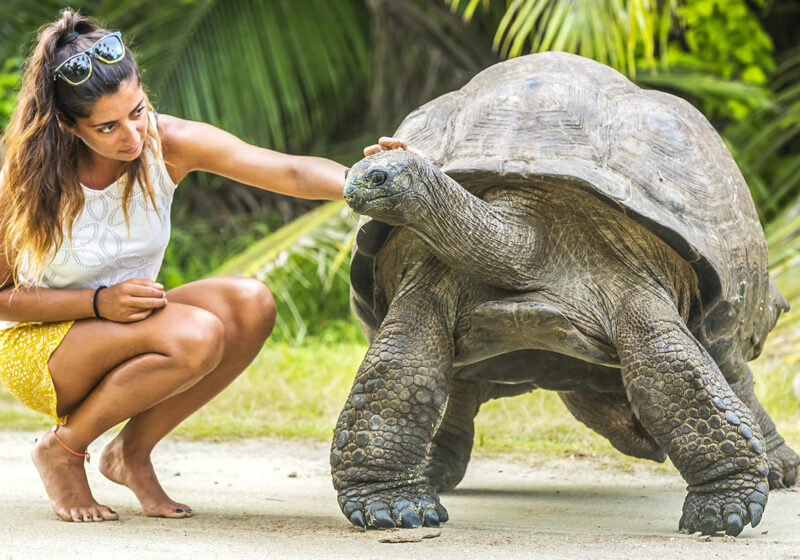
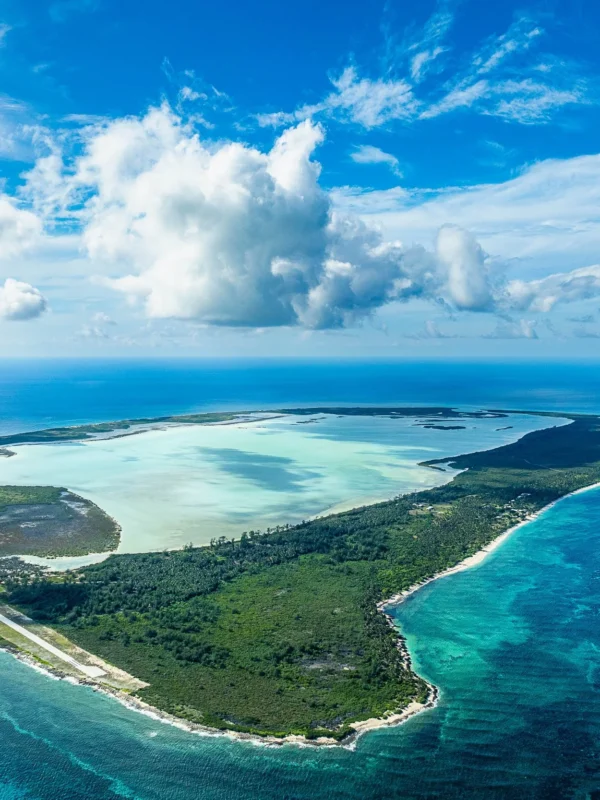
The outer islands — the Amirantes, the Farquhar Group, the Aldabra Atoll — are a different Seychelles entirely. Aldabra, the world’s second-largest coral atoll and a UNESCO World Heritage Site, holds a hundred and fifty thousand giant tortoises — the largest population on earth — alongside nesting frigatebirds, green turtles, and a marine ecosystem of a quality that the more visited inner islands cannot match. Desroches and Alphonse, in the Amirantes group, offer some of the finest flats fishing in the world — bonefish, permit, triggerfish, and milkfish on expanses of white sand flat that extend for kilometres around the islands’ coralline perimeters. The outer islands are remote by design and accessible by charter flight only, which is precisely what has kept them as they are.
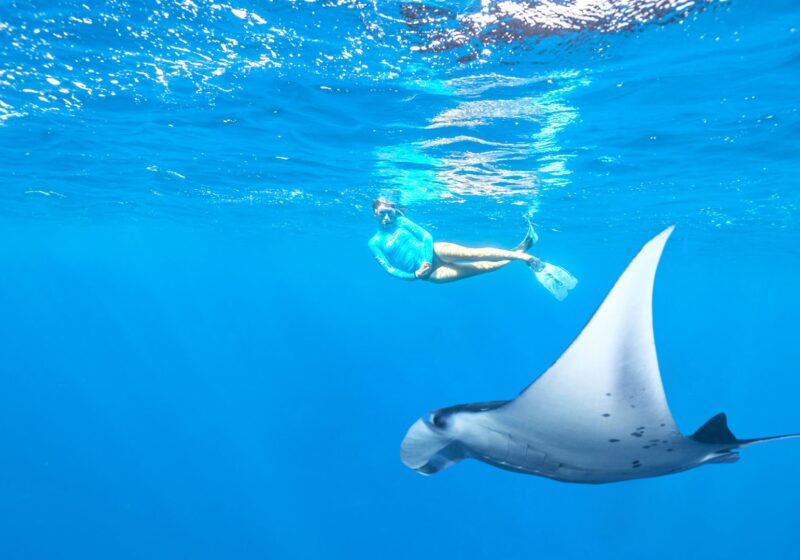
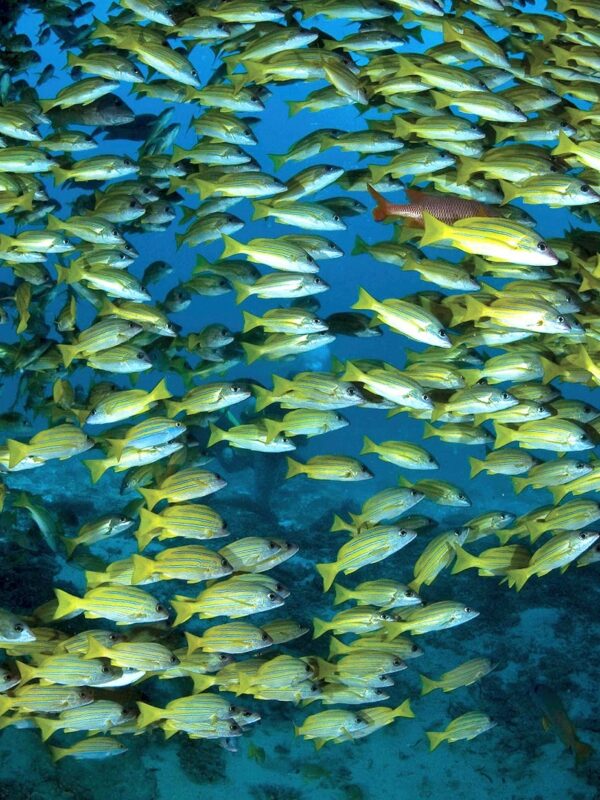
The Seychelles works in the context of this collection as the coastal complement to the mainland safari — the place where the bush gives way to warm water, coral reefs, and a pace of life that the intensity of the game drive does not provide. A week in the bush followed by four or five nights on a private island in the Amirantes is not a compromise between two different holidays; it is a single journey whose two halves produce a completeness that neither achieves alone. The Seychelles is also, independently, one of the finest marine destinations in the world — the snorkelling and diving across the inner and outer islands combines reef, pelagic, and mangrove ecosystems that the Indian Ocean produces at its most intact, and the fishing in the outer atolls is of a quality that fly fishers travel from every continent specifically for.
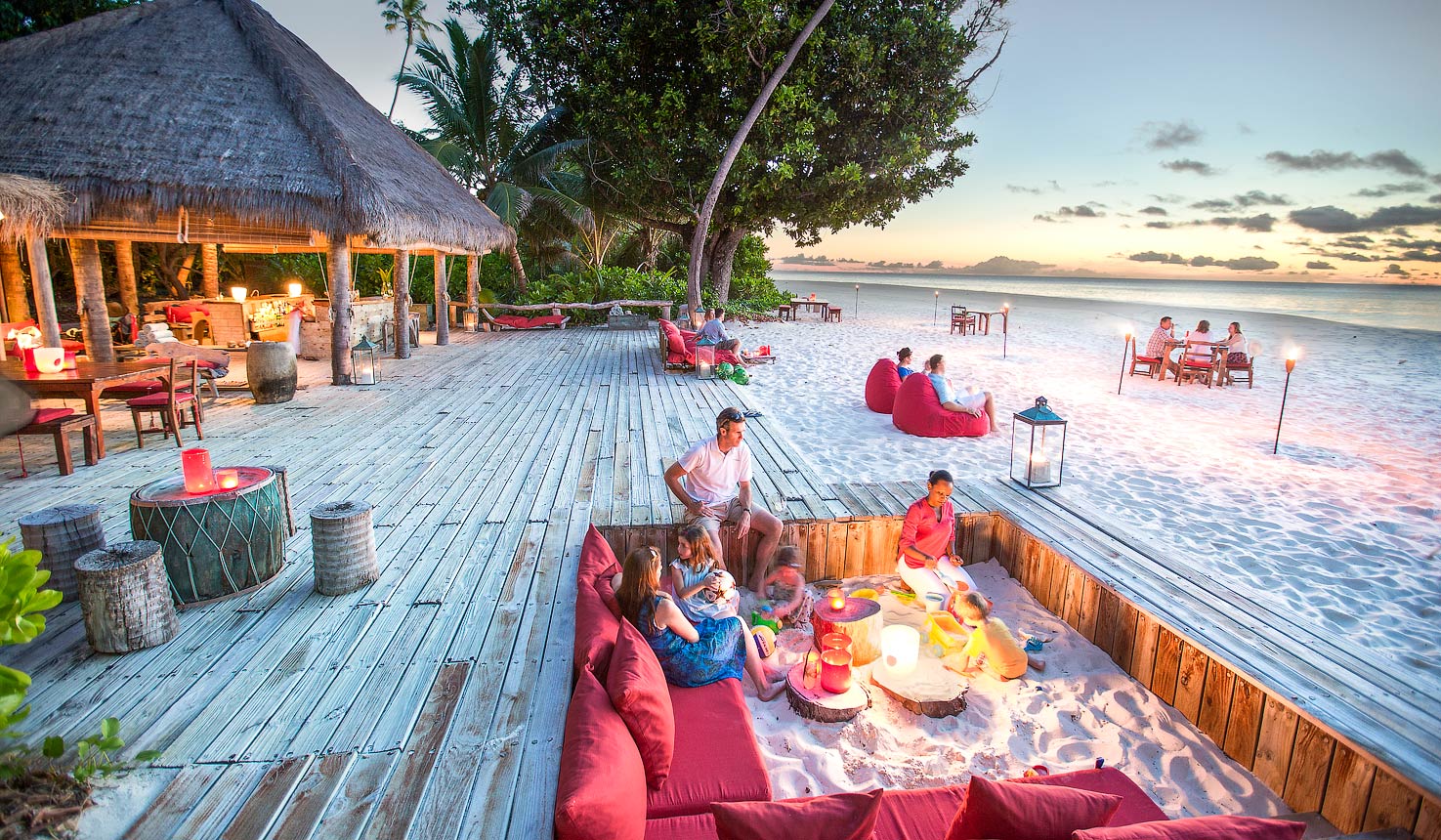
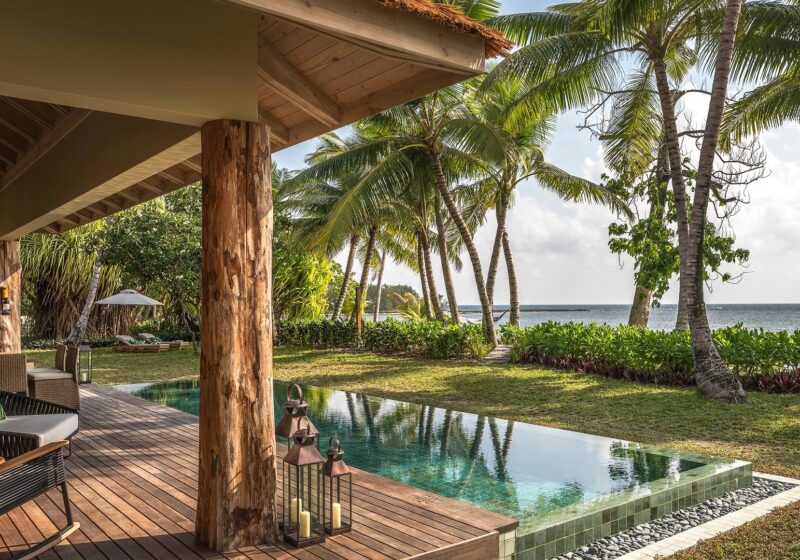
Extraordinary Safaris extends its approach to the Seychelles with the same philosophy that governs the mainland itineraries — small properties, private islands, and experiences designed around the specific character of each island group rather than a generic Indian Ocean beach holiday. The Seychelles rewards the visitor who moves between islands, who spends at least one night in the outer archipelago, and who arrives with enough time to understand that what they are looking at — the granite boulders, the endemic palms, the turquoise water, the giant tortoises — is genuinely unlike anything else on earth.


 Scenic