 Kenya
8 nights
Kenya Family Safari
Kenya through a child's eyes. The Mara and Kilimanjaro in eight nights.
View safari
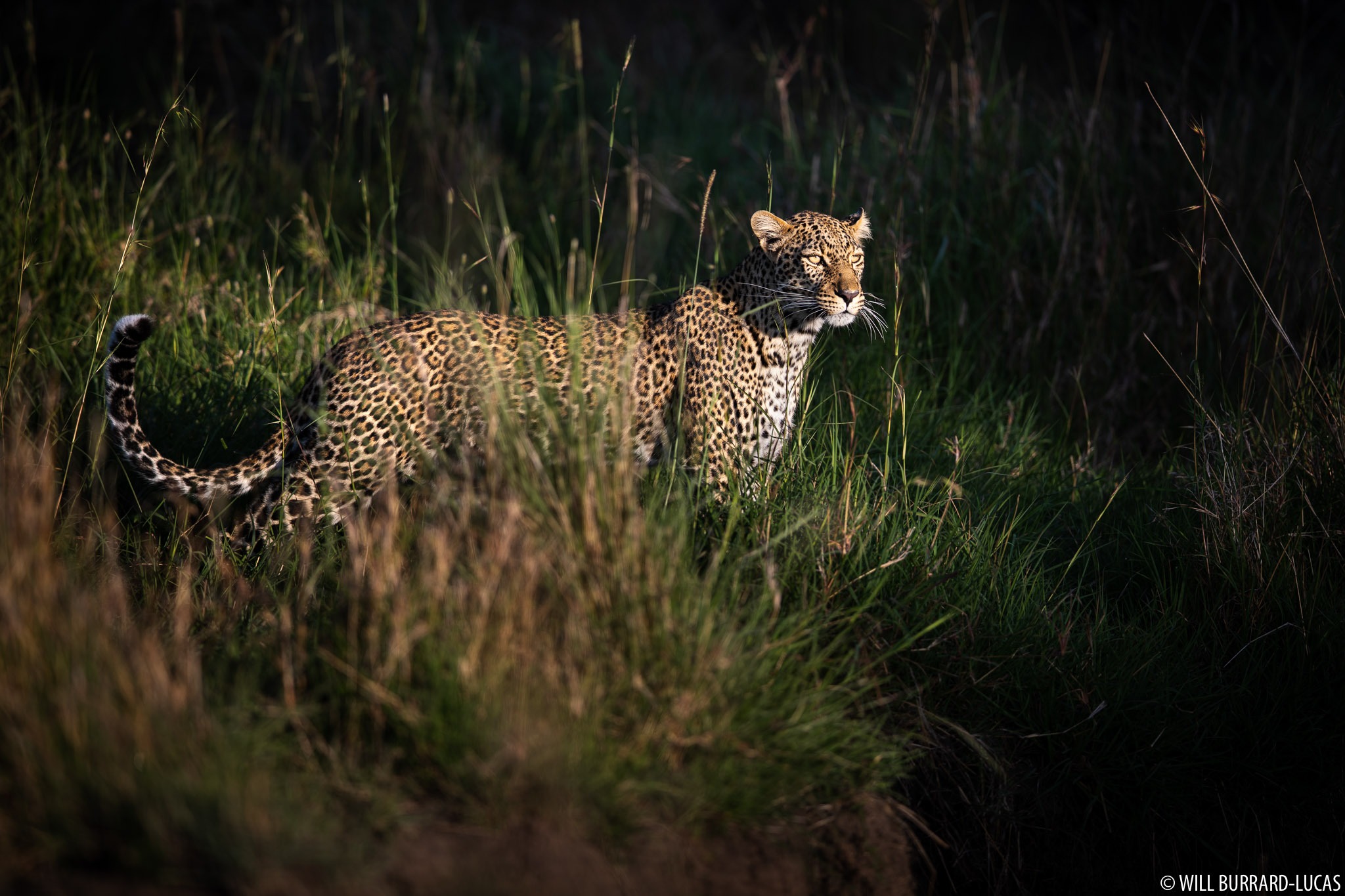
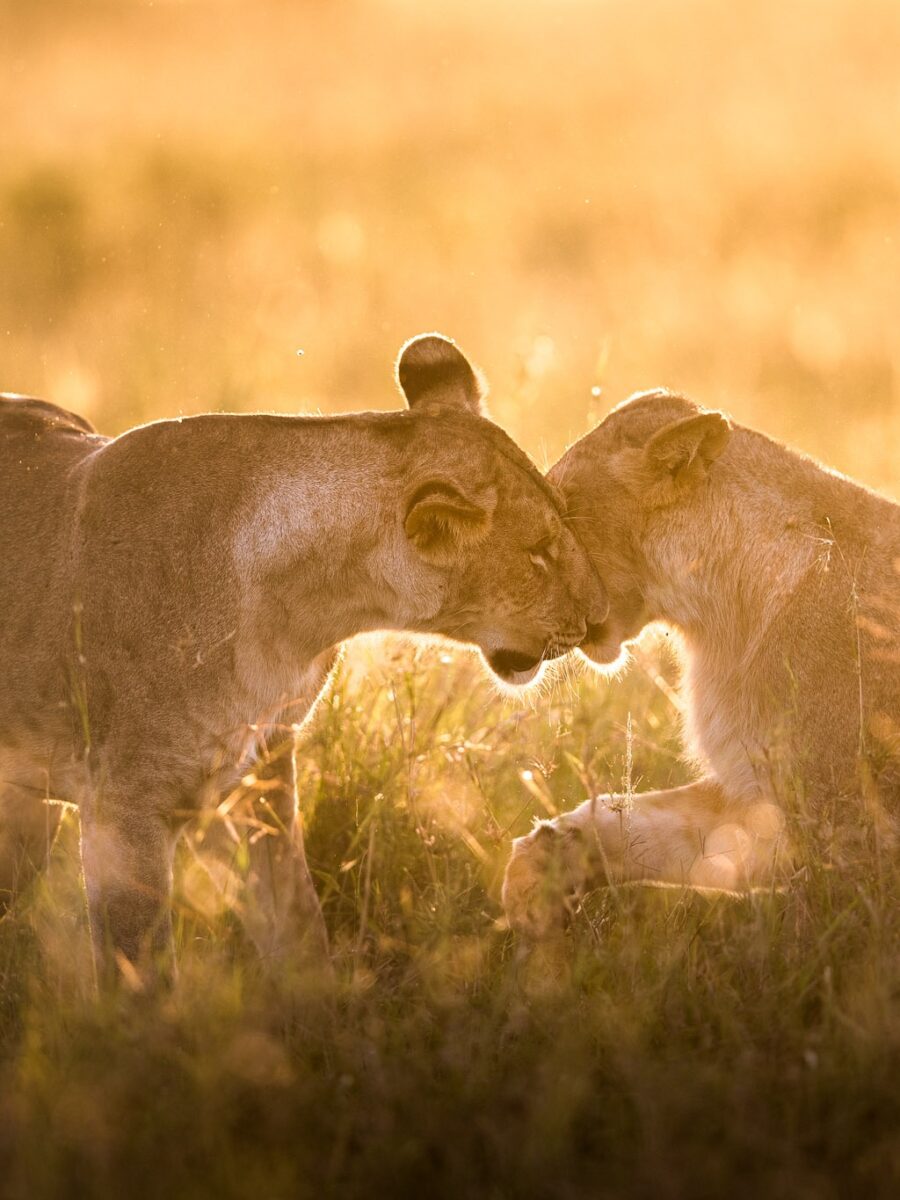
The Maasai Mara is where most people’s idea of Africa was formed, and it has the peculiar burden of living up to an image that exists before the visitor arrives. It does. The open plains of the Mara ecosystem — rolling short-grass savannah running south into the Serengeti without a fence or a road to mark the border — hold a resident wildlife population that would make the reserve extraordinary in any month, independent of the migration that amplifies it between July and October. The lion prides here are among the most studied in the world. The leopard density in the riverine forest along the Talek and Mara rivers is exceptional. Cheetah hunt the open plains in a landscape flat enough to watch an entire pursuit from start to finish.
The migration changes Mara’s character completely. From mid-July, the wildebeest herds press north from the Serengeti, driven by the green flush of the Mara’s short-grass plains ahead of them, and the Mara River becomes the obstacle that defines the crossing season. The crossings are not predictable — the herds build on the southern bank, mill, retreat, and surge again on a schedule that no guide can accurately forecast — which means the experience of waiting for one is as much a part of the story as the crossing itself. When it happens, two thousand animals enter the water simultaneously, the crocodiles move from the margins, and the far bank becomes a wall of noise and motion that no amount of prior reading adequately prepares you for.
The private conservancies that border the national reserve — Mara North, Naboisho, Olare Motorogi, Lemek, and the Mara Triangle to the west — offer the same wildlife in a fundamentally different visitor experience. Vehicle numbers are controlled by the camps themselves rather than by a park gate, off-road driving is permitted, bush walks and night drives are possible, and the camps are among the most architecturally ambitious in East Africa. A first visit to the Mara is well served by the national reserve. A return visit is better served by the conservancies.
These can be woven into your safari or treated as standalone days. Tell us which ones move you.
Kenya
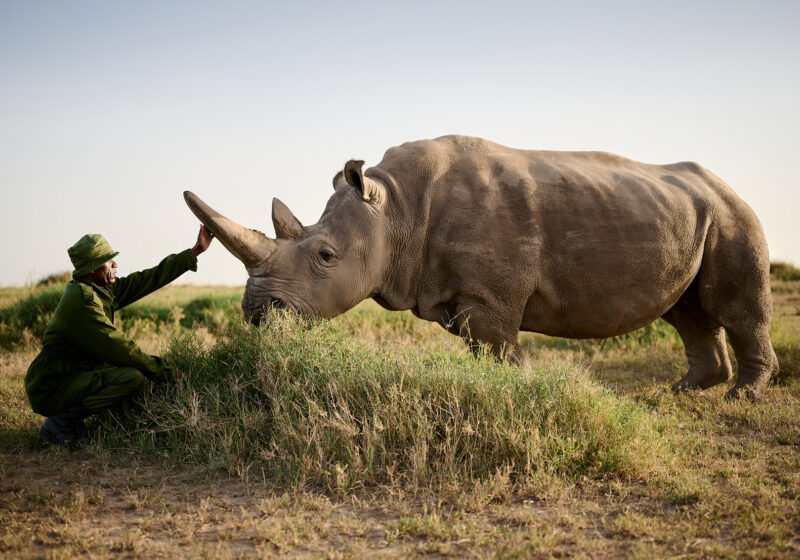
Najin and Fatu are the last two northern white rhinos alive. Both female, both under constant armed guard, both past reproductive age
Learn more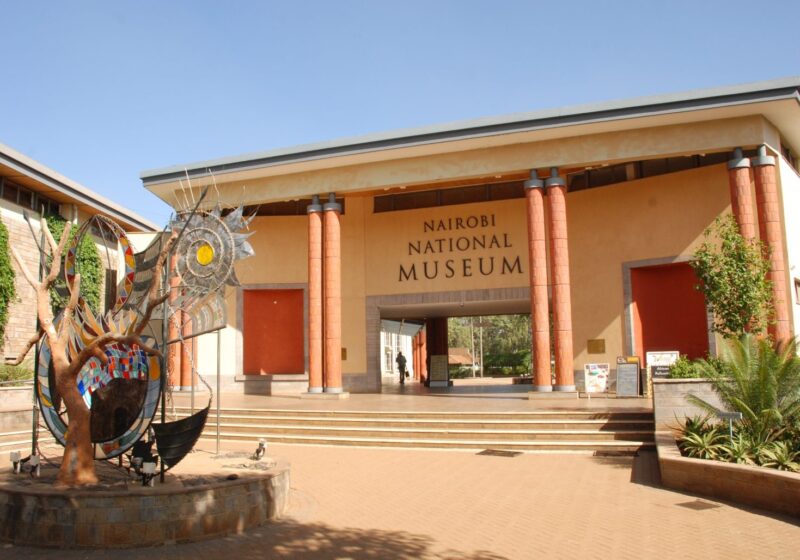
Kenya
The city holds two institutions worth a proper morning: the National Museum of Kenya, with its natural history and prehistory collections
Learn more
Kenya
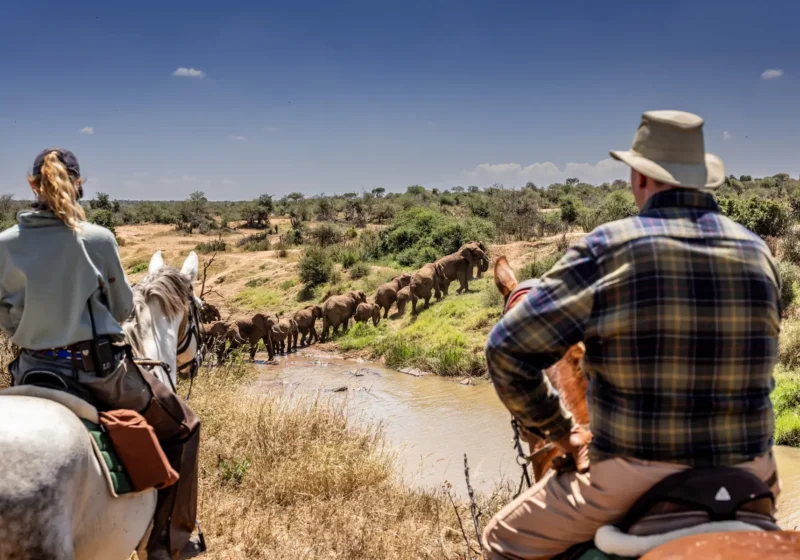
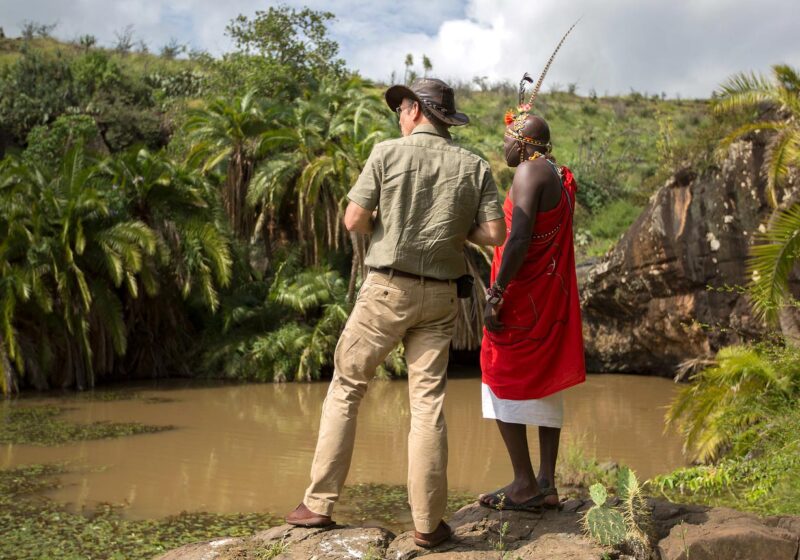
Departing from a conservancy camp at first light, the walk takes in the same terrain covered on a game drive but at a completely different register.
Learn more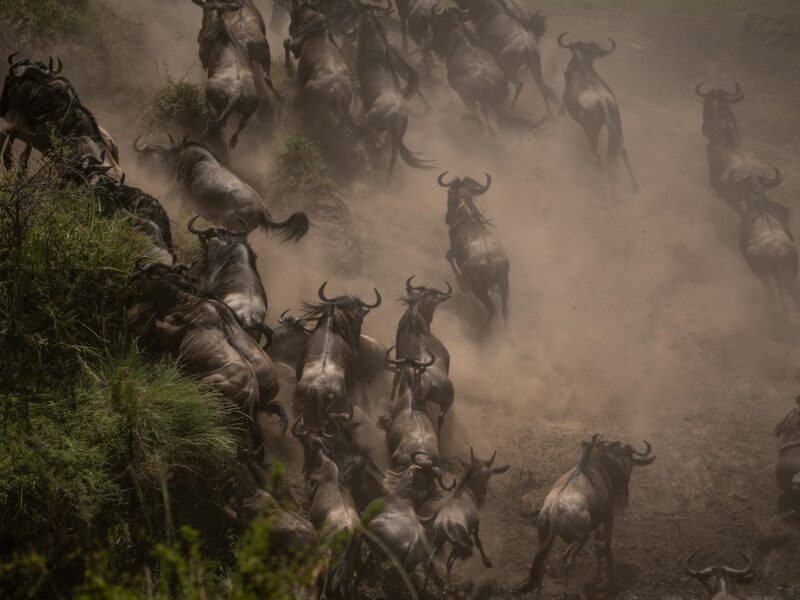
Kenya
Between July and October, the northern Serengeti herds press into Kenya, drawn by the green flush of the Mara's short-grass plains.
Learn moreWe have worked in Maasai Mara National Reserve long enough to know which camps earn their place, which guides change how you see things, and when to be there. Let's talk.
