 Kenya
8 nights
Kenya Family Safari
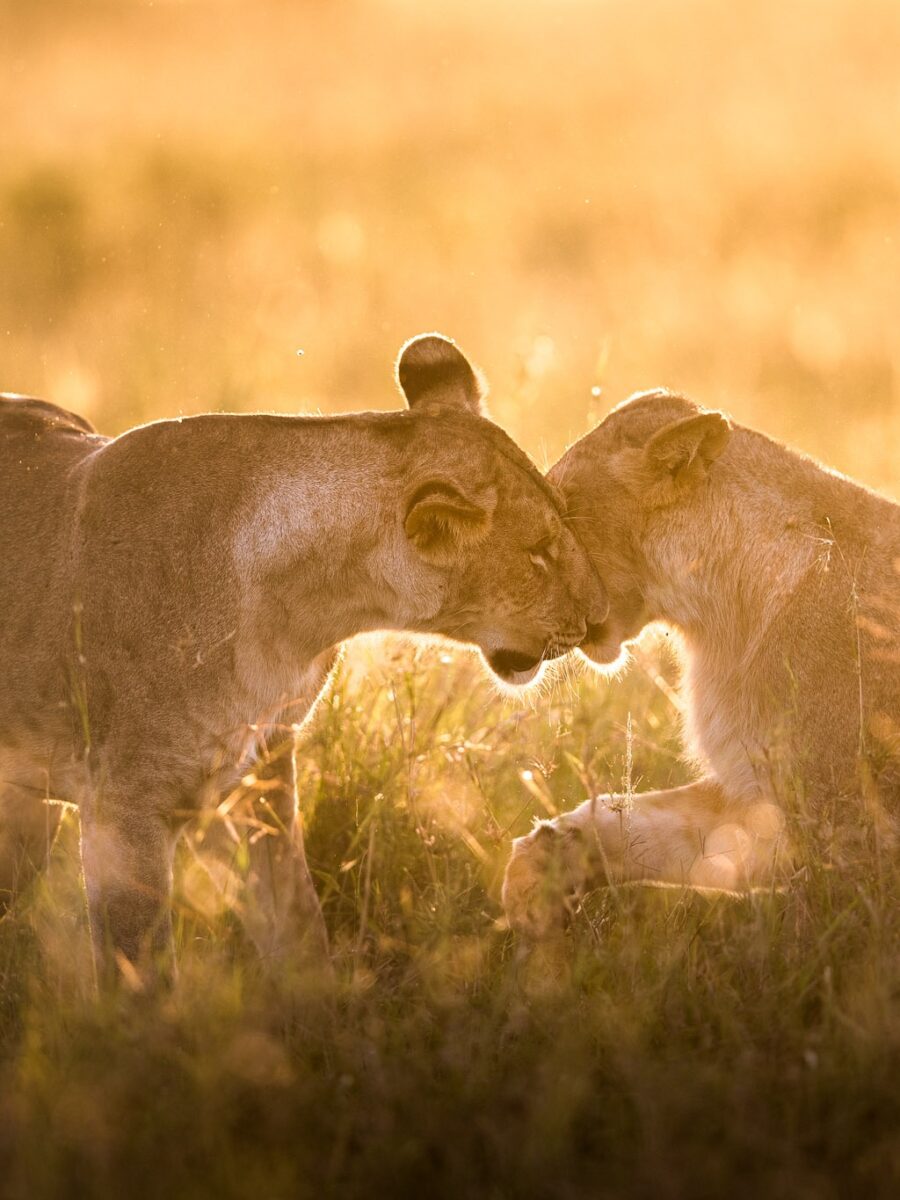
Kenya through a child's eyes. The Mara and Kilimanjaro in eight nights.
View safari
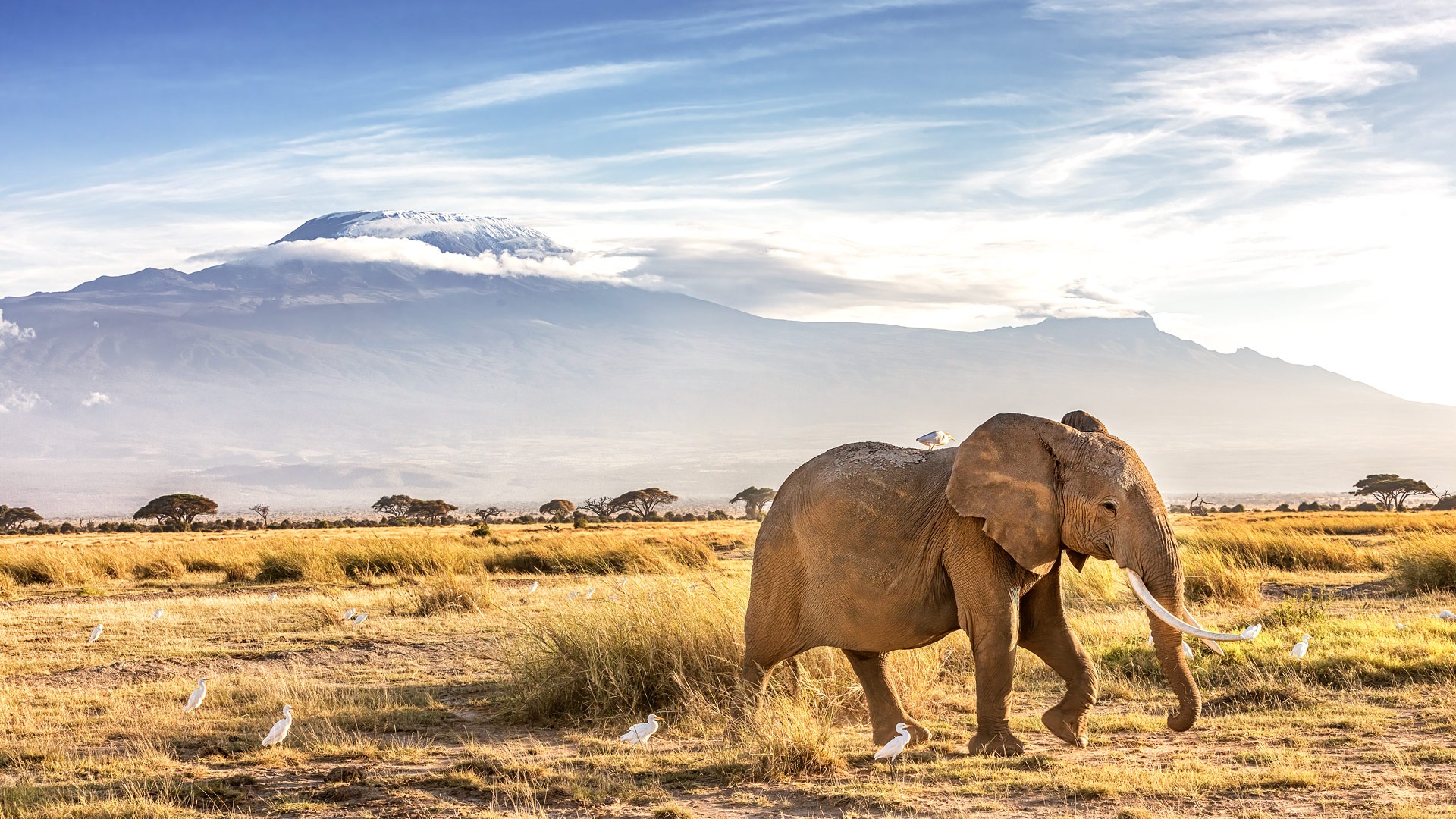
Amboseli is defined by two things: its elephants and its mountain. Africa’s highest peak rises on the Tanzanian border forty kilometres south of the park, close enough to dominate every composition and distant enough to remain perpetually dramatic, its glaciated summit floating above the clouds that build around it by mid-morning on most days. The window for a clear mountain view is narrow — first light, before nine, occasionally at dusk when the clouds break — and the guides here know it and plan accordingly. The elephant are present all day.
The Amboseli elephant population is one of the most thoroughly studied in the world. The Amboseli Elephant Research Project, founded by Cynthia Moss in 1972, has documented every individual, every family group, and every significant event in the population’s history for over fifty years — the longest continuous study of wild elephants anywhere. The result is a population unusually unafraid of vehicles, which produces the kind of close, unhurried encounters that allow you to watch elephant behaviour — family dynamics, juvenile play, the particular authority of a matriarch deciding which way to walk — with a patience and proximity that other parks rarely permit. The bulls here carry some of the largest tusks remaining in Kenya, a consequence of decades of protection and the genetic inheritance of the pre-poaching era.
The park’s landscape is shaped by the Kilimanjaro massif in ways that are not immediately obvious. The mountain’s glacial meltwater filters underground through the volcanic rock and emerges in the Amboseli basin as a series of springs and swamps — Enkongo Narok, Longinye, Olokenya — that sustain a permanent wetland in an otherwise semi-arid landscape. These swamps draw wildlife from across the ecosystem: buffalo, hippo, and waterbirds concentrate around them year-round, and the contrast between the green swamp margins and the dry white lakebed of the old Pleistocene lake that dominates the park’s centre produces a landscape unlike anything else in Kenya. On a clear morning, with the mountain up and a herd of a hundred elephant moving through the swamp grass, Amboseli makes an argument for itself that requires very little from the visitor beyond attention
These can be woven into your safari or treated as standalone days. Tell us which ones move you.
Kenya
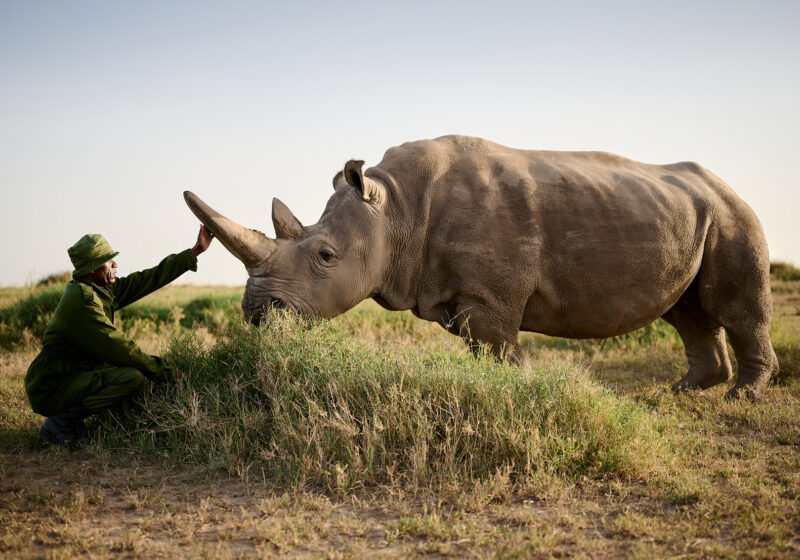
Najin and Fatu are the last two northern white rhinos alive. Both female, both under constant armed guard, both past reproductive age
Learn more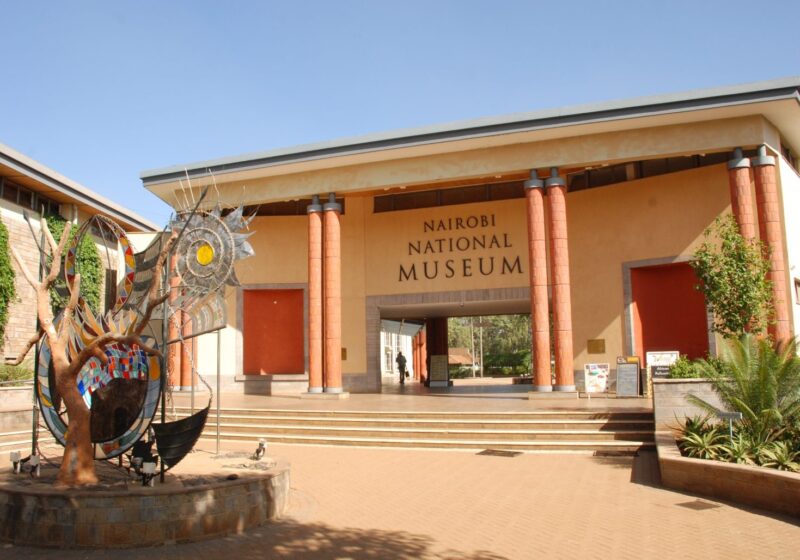
Kenya
The city holds two institutions worth a proper morning: the National Museum of Kenya, with its natural history and prehistory collections
Learn more
Kenya
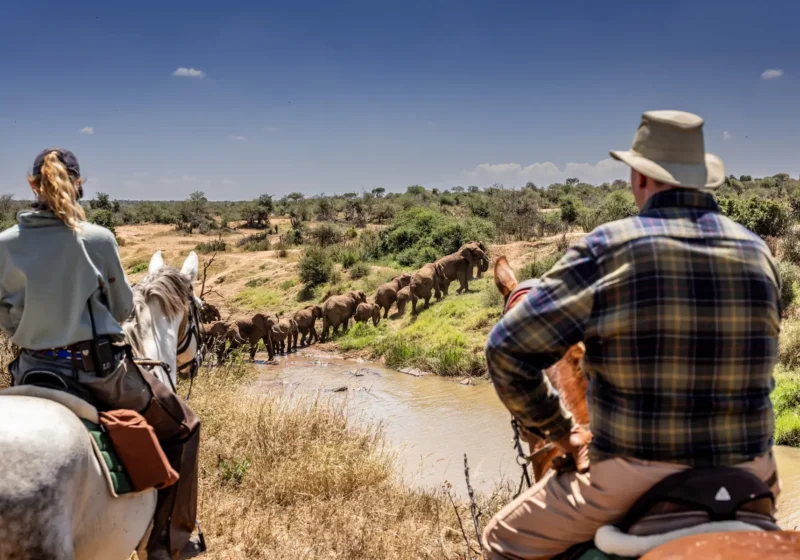
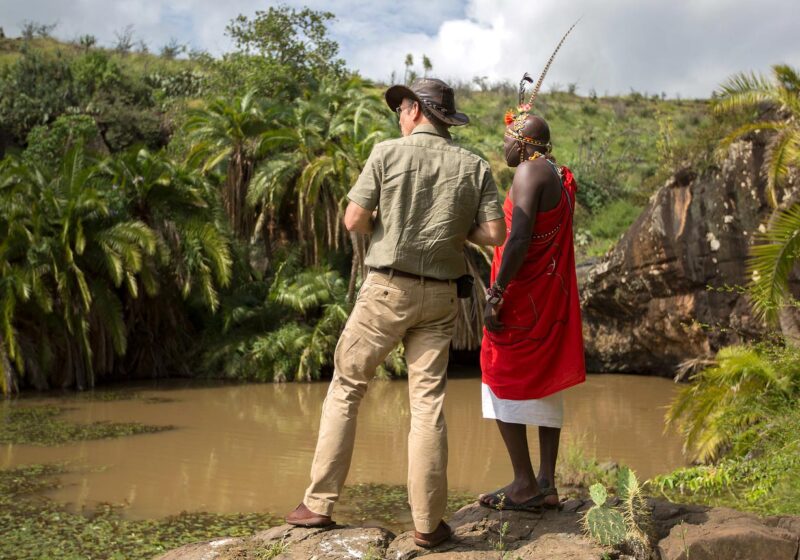
Departing from a conservancy camp at first light, the walk takes in the same terrain covered on a game drive but at a completely different register.
Learn more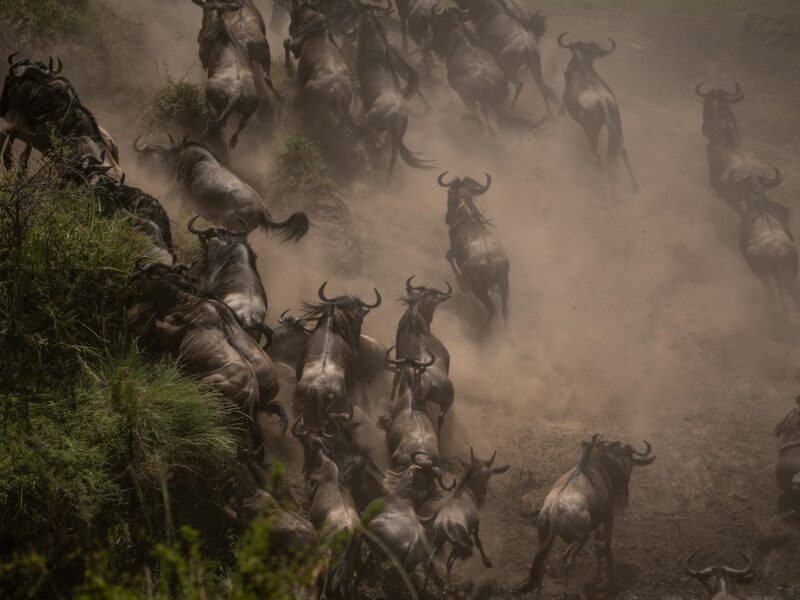
Kenya
Between July and October, the northern Serengeti herds press into Kenya, drawn by the green flush of the Mara's short-grass plains.
Learn moreWe have worked in Amboseli National Park long enough to know which camps earn their place, which guides change how you see things, and when to be there. Let's talk.
