
The Park
What makes
What makes
Hwange National Park.
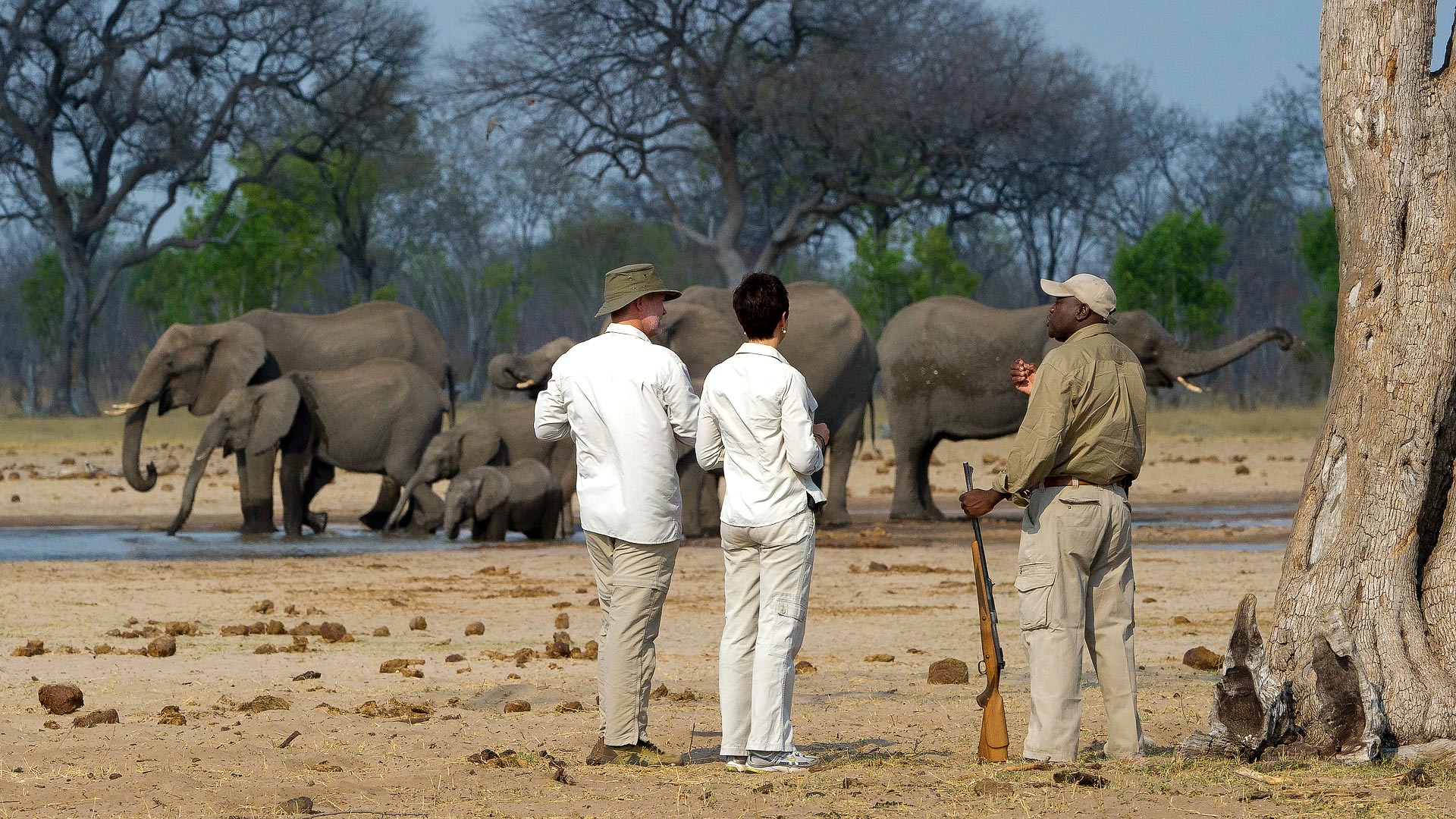
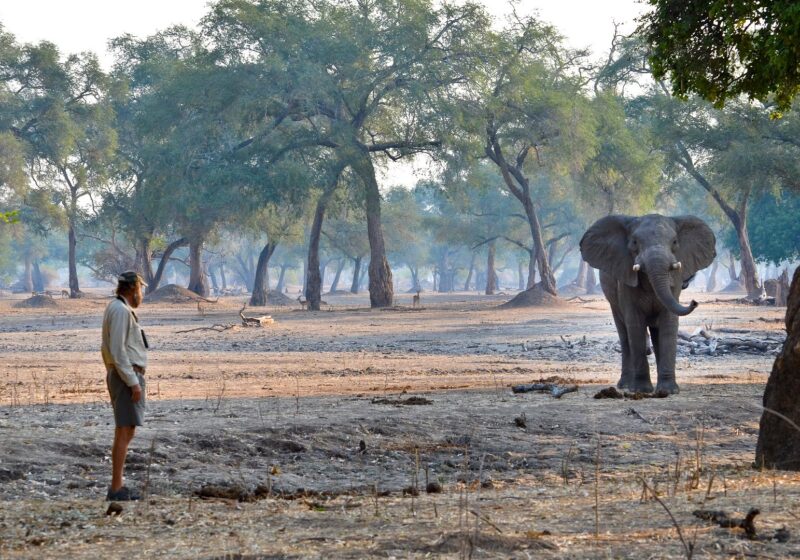
Hwange is Africa’s elephant park. The numbers are not metaphorical — over fifty thousand individuals range across fourteen thousand square kilometres of Kalahari sand forest and mopane woodland in Zimbabwe’s northwest, the largest elephant population of any national park on earth, sustained through the dry season by a network of pumped waterholes that the Zimbabwe Parks Authority and private operators have maintained for decades. In August and September, when the surrounding countryside has dried completely and the waterholes are the only reliable water for hundreds of kilometres, the gatherings that form around them are on a scale that has no contemporary equivalent in Africa. A single waterhole can hold three hundred elephant simultaneously. The sound of that many animals drinking, rumbling, and moving carries across the flat Kalahari landscape for kilometres in every direction.
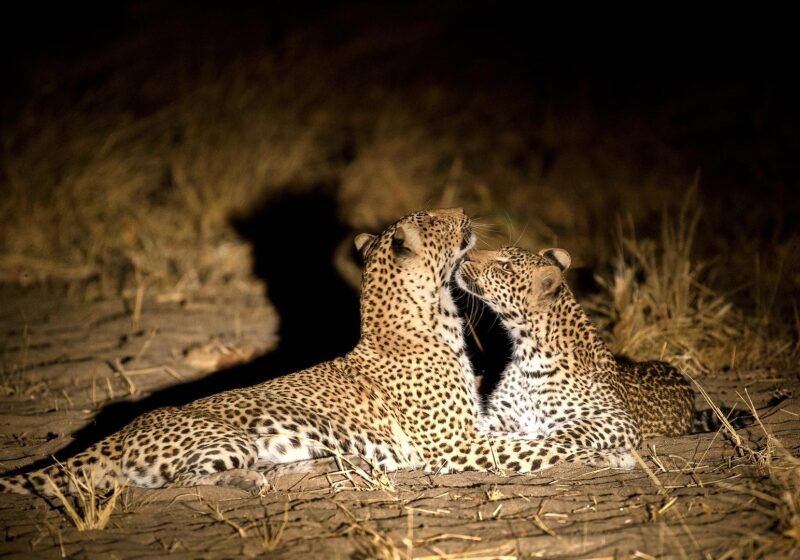
The private concessions in Hwange’s northeast — Linkwasha, Somalisa, Davison’s, and a handful of others — operate on exclusive land parcels adjacent to the national park, with their own pumped waterholes, their own vehicle exclusivity, and the ability to conduct night drives and walking safaris that the main park does not permit. The wildlife density in these concessions during the dry season is exceptional across all species: lion prides whose territories are centred on the concession waterholes, leopard in the drainage lines, cheetah on the open vleis, and wild dog packs that use the concessions as denning ground in the August and September pupping season. The dogs here are among the most reliably seen in southern Africa — the open mopane woodland and the flat terrain make following a pack on a hunt one of the more visceral game-viewing experiences the region produces.
The main park’s public areas — accessible from Main Camp near the park headquarters and from Sinamatella in the north — offer a different experience: self-drive camping, conventional game drives, and the particular satisfaction of Hwange’s public road network in the dry season when every waterhole stop produces something worth watching. The private concessions amplify and refine what the park offers; the public areas preserve its original democratic character. Both have a place in a properly constructed Hwange itinerary.
Key Wildlife
Elephant, lion, leopard, cheetah, wild dog, buffalo, giraffe, zebra, brown hyena, spotted hyena, sable antelope, roan antelope, eland
Best Time to Visit
June–October (dry season); August–October peak for elephant waterhole gatherings and wild dog denning season
Best For
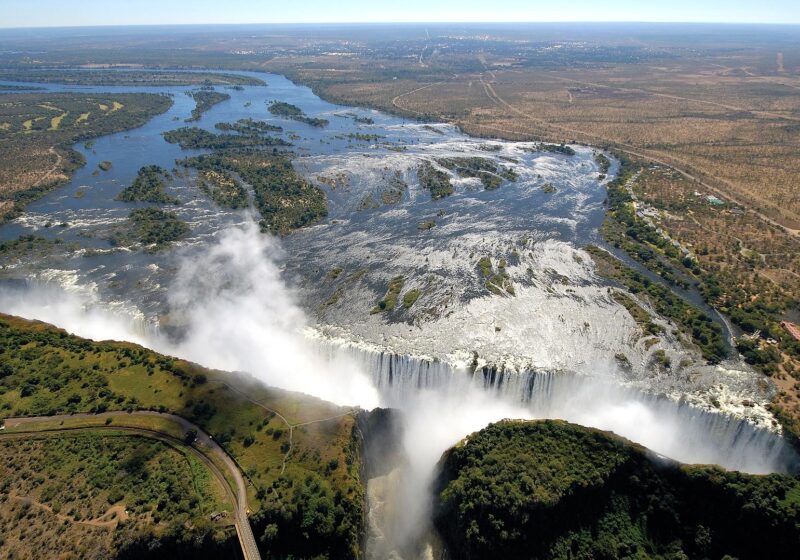
First-time southern Africa visitors, elephant specialists, wild dog enthusiasts, photographers, those combining with Mana Pools or Victoria Falls
Add to Your Journey
Experiences worth
Experiences worth
adding.
These can be woven into your safari or treated as standalone days. Tell us which ones move you.
1 / 5
Hwange National Park is best understood
from inside it.
We have worked in Hwange National Park long enough to know which camps earn their place, which guides change how you see things, and when to be there. Let's talk.