
The Park
What makes
What makes
Kafue National Park.
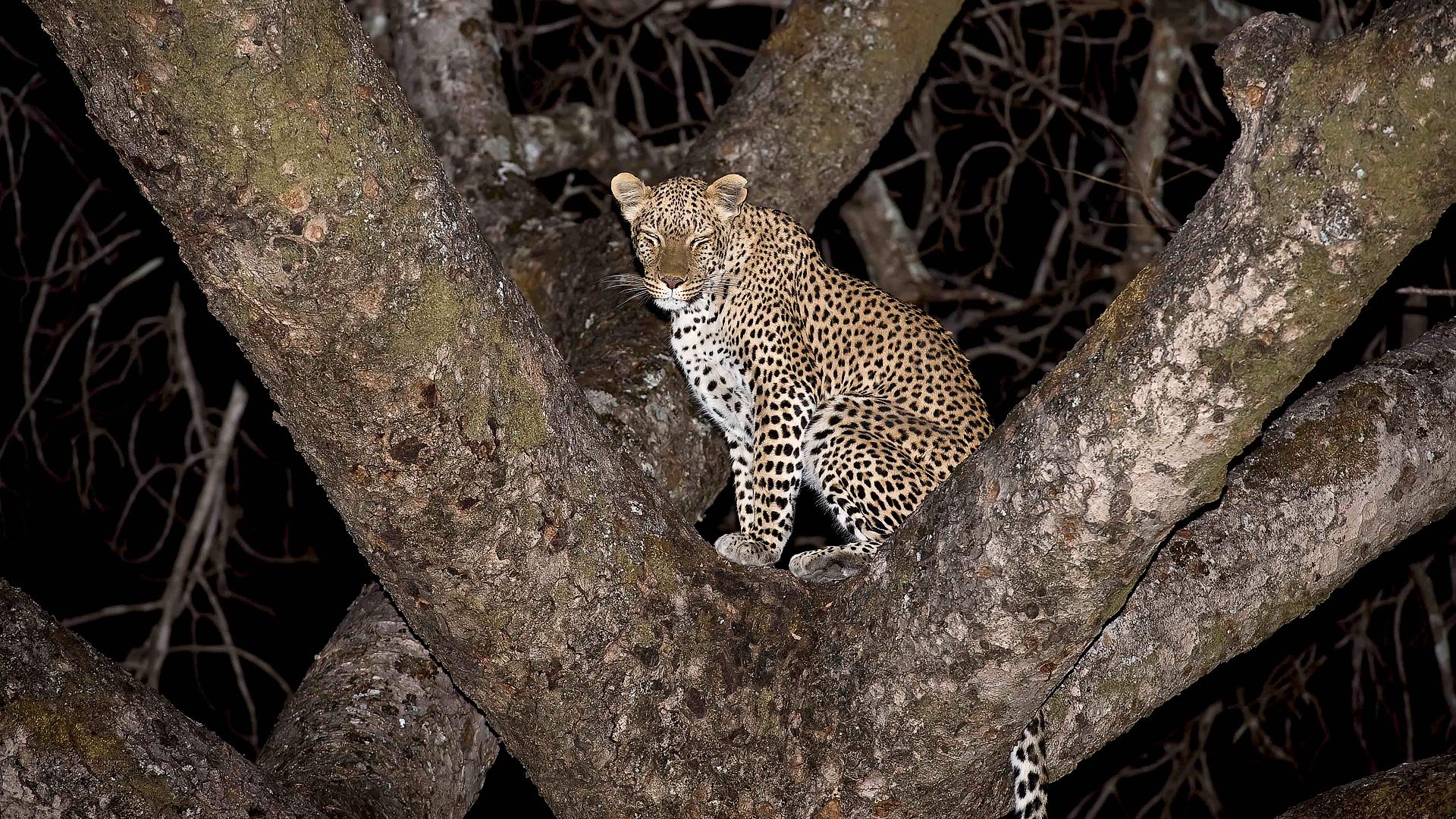
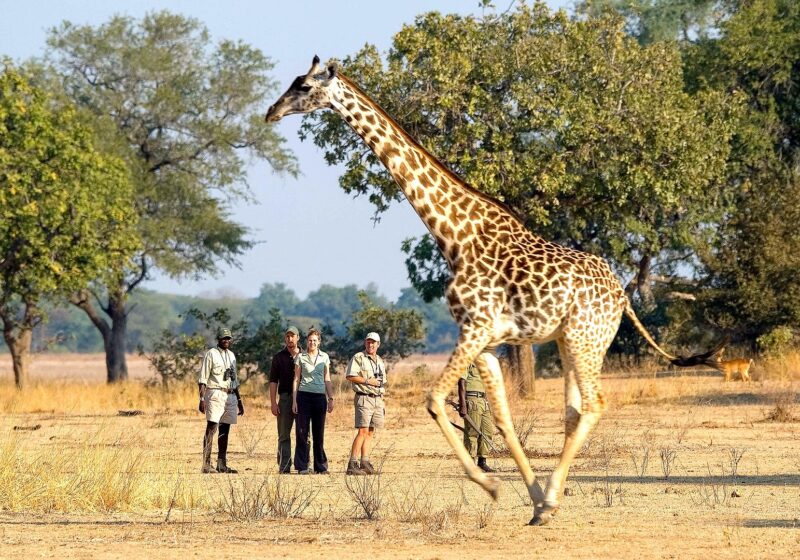
Kafue is the second-largest national park in Africa and one of the least visited relative to its size — twenty-two thousand square kilometres of miombo woodland, river systems, seasonal floodplain, and escarpment country in western Zambia that most safari itineraries pass over in favour of the Luangwa Valley or the Lower Zambezi. That oversight is Kafue’s most significant advantage. The park holds over four hundred bird species, a complete predator suite including lion, leopard, cheetah, and wild dog, and a landscape diversity that no single park in East Africa approaches — from the dense jesse bush of the Kafue River corridor in the south to the open seasonal grasslands of the Busanga Plains in the north, the park encompasses ecological zones that function as entirely distinct safari destinations within a single protected area.
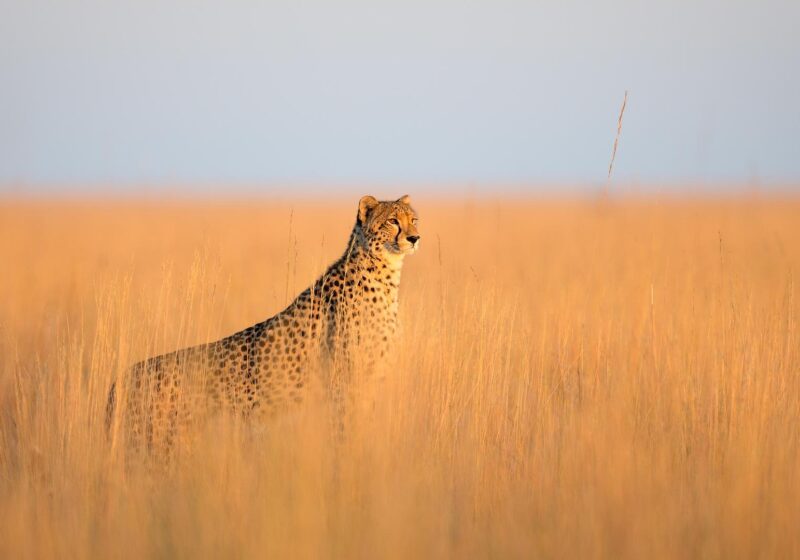
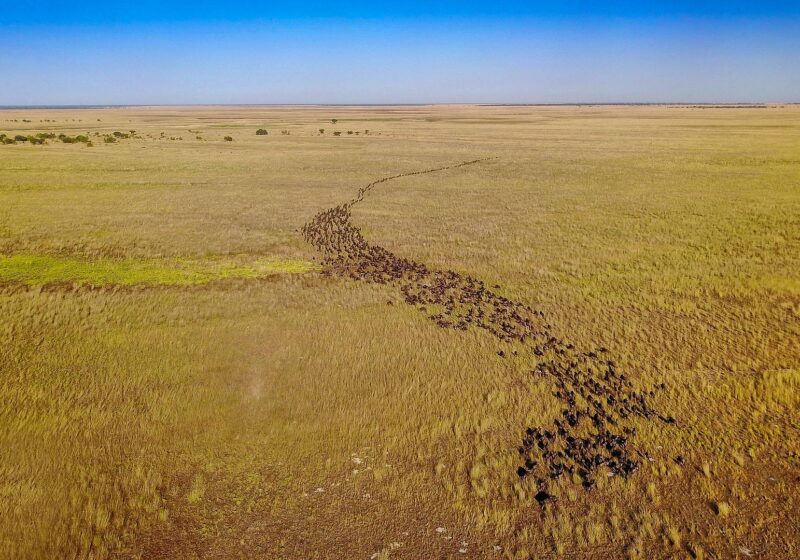
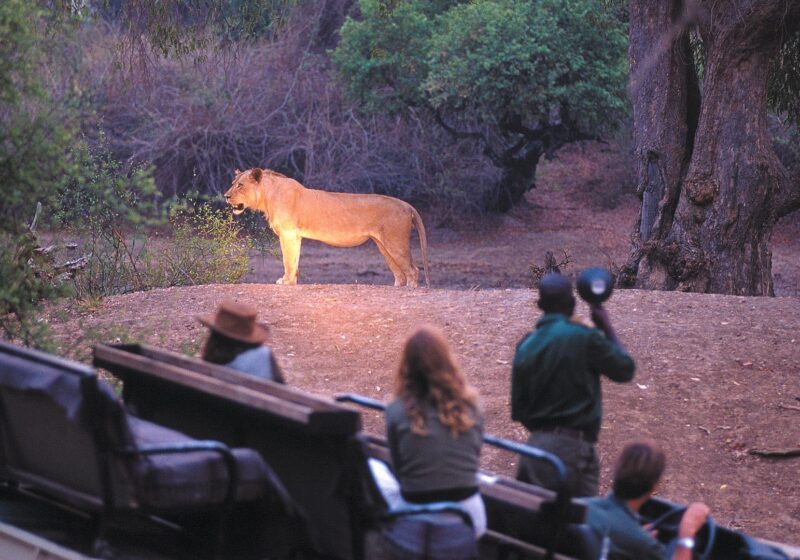
The Busanga Plains are Kafue’s headline experience and the reason the park has begun attracting the attention of serious safari travellers who have exhausted the more celebrated alternatives. A seasonal floodplain in the park’s far north, the Busanga fills completely between December and May and dries to a vast open grassland between June and October — accessible only by light aircraft, visited by a handful of guests at any one time, and holding a concentration of large predators that the open terrain makes visible in a way that most African parks cannot match. The lion prides here are among the largest in Zambia, their territories centred on the plain’s prey concentrations — red lechwe, zebra, and buffalo moving across the grassland in herds that sustain predator populations of exceptional density. Cheetah hunt the open plain with the full arc of their pursuit visible from start to finish. Wild dog packs cross the grassland at dawn in pursuit of lechwe in a landscape flat enough to follow the entire hunt by vehicle without losing sight of the pack.
The Kafue River itself — running through the park’s central section for several hundred kilometres — provides a permanent water source that sustains wildlife through the dry season in the woodland areas between the Busanga Plains and the southern park boundary. Game drives along the river corridor produce elephant, hippo, crocodile, and a supporting cast of antelope species — puku, impala, oribi, and the semi-aquatic sitatunga in the river’s marginal vegetation — alongside a bird list that rewards serious ornithologists. The southern Kafue, around the Nanzhila Plains, offers a third distinct landscape — open grassland with sable and roan antelope present in numbers that the northern circuit cannot match. A properly constructed Kafue itinerary combines at least two of these zones and rewards the visitor who gives the park the time it requires to reveal itself across its full ecological range.
Key Wildlife
Lion, leopard, cheetah, wild dog, elephant, hippo, buffalo, red lechwe, sitatunga, puku, sable antelope, roan antelope, zebra, Defassa waterbuck, oribi
Best Time to Visit
June–October (dry season); June–September optimal for Busanga Plains access and predator activity; July–August peak for lion concentrations and cheetah on open ground
Best For
Returning safari-goers seeking genuine remoteness, predator specialists, birdwatchers, those wanting a complete Zambia itinerary beyond the Luangwa Valley, photographers
Add to Your Journey
Experiences worth
Experiences worth
adding.
These can be woven into your safari or treated as standalone days. Tell us which ones move you.
1 / 6
Kafue National Park is best understood
from inside it.
We have worked in Kafue National Park long enough to know which camps earn their place, which guides change how you see things, and when to be there. Let's talk.