
The Park
What makes
What makes
Katavi National Park.
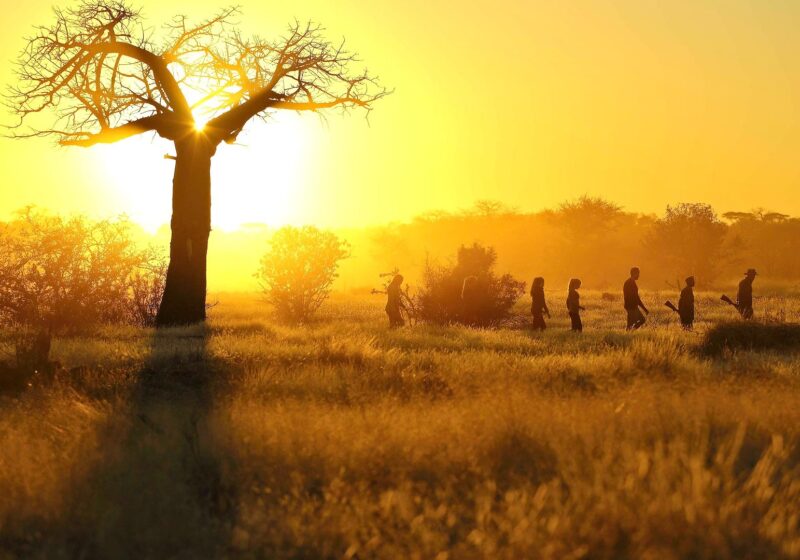
Katavi receives fewer than a thousand visitors a year. That number is not a marketing claim — it is a logistical consequence of where the park is and how long it takes to reach it. Two domestic flights from Arusha, or a full day of travel from Dar es Salaam, filter the visitor population down to those who have specifically decided that ordinary will not do. What awaits them is one of the last places in Africa where wildlife exists at a scale that has no contemporary comparison — not in the Serengeti, not in Botswana, not anywhere in East Africa that sees meaningful tourist traffic.
The dry season hippo pools on the Katuma River are Katavi’s signature spectacle, and they are difficult to describe without resorting to numbers that sound implausible until you are standing in front of them. As the floodplains dry between June and October, thousands of hippos — estimates range from two to four thousand individuals — compress into the remaining pools along the Katuma and Katisunga rivers. The pools are not large. The density of animals in them is extraordinary. The noise, the smell, the territorial aggression between bulls fighting for space in water that barely covers them — it is one of the most primally overwhelming wildlife experiences Africa produces, and it happens here, in a park that most safari itineraries never reach.
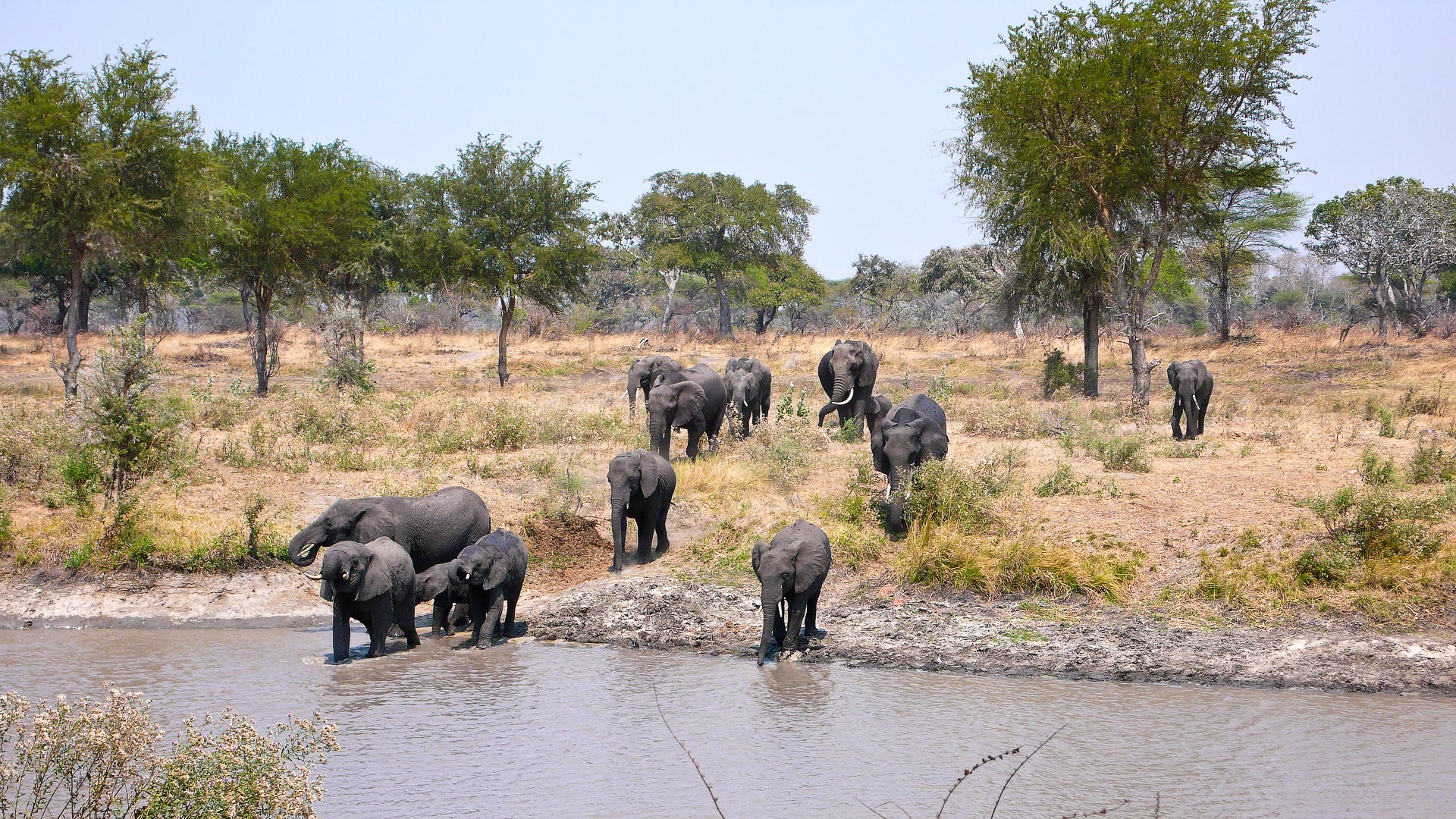
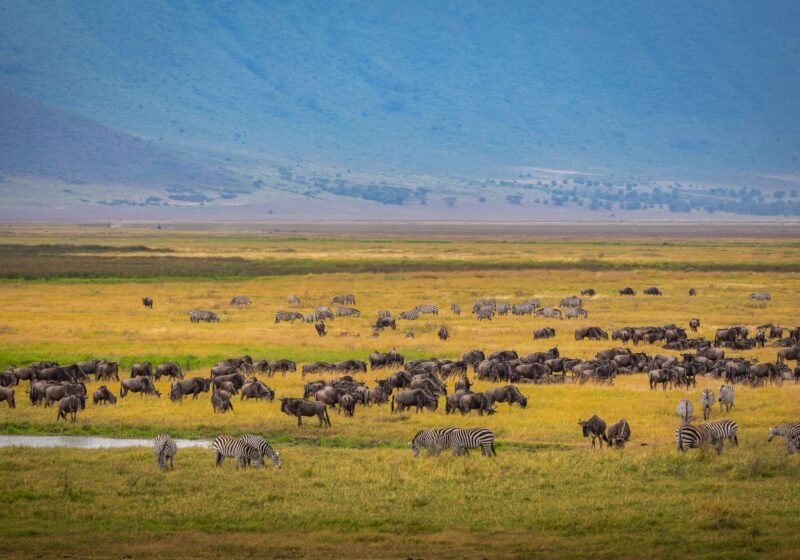
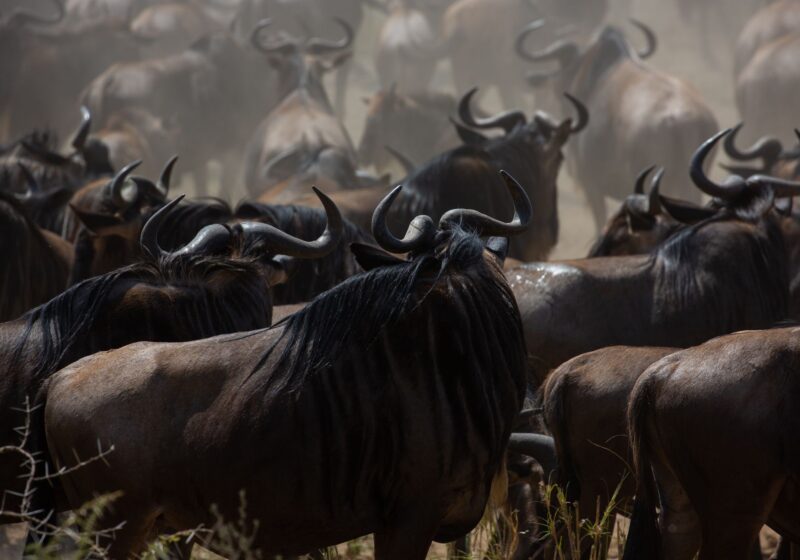
The buffalo herds that move across Katavi’s floodplains during the same dry season months number in the thousands — single herds of two and three thousand animals, moving in columns visible from two kilometres, attended by lion prides and wild dog packs that follow them from the woodland margins. The predator pressure on these herds is sustained and visible in a way that requires the scale of Katavi’s landscape to function. In a smaller park the herds would fragment and disperse. Here they stay together because the plains are wide enough to hold them, and the experience of watching a predator work a buffalo herd of this size from the back of an open vehicle, with no other vehicle visible in any direction, is one that most safari-goers do not know is possible until they have done it.
Key Wildlife
Hippo, lion, leopard, wild dog, buffalo, elephant, crocodile, puku, roan antelope, sable antelope, zebra, giraffe
Best Time to Visit
June–October (dry season only); July–September peak for hippo pool concentrations and buffalo herds on the floodplain
Best For
Experienced safari-goers seeking genuine remoteness, those who have done the northern circuit and want something categorically different, wildlife photographers, expedition travellers
Add to Your Journey
Experiences worth
Experiences worth
adding.
These can be woven into your safari or treated as standalone days. Tell us which ones move you.
1 / 6
Katavi National Park is best understood
from inside it.
We have worked in Katavi National Park long enough to know which camps earn their place, which guides change how you see things, and when to be there. Let's talk.