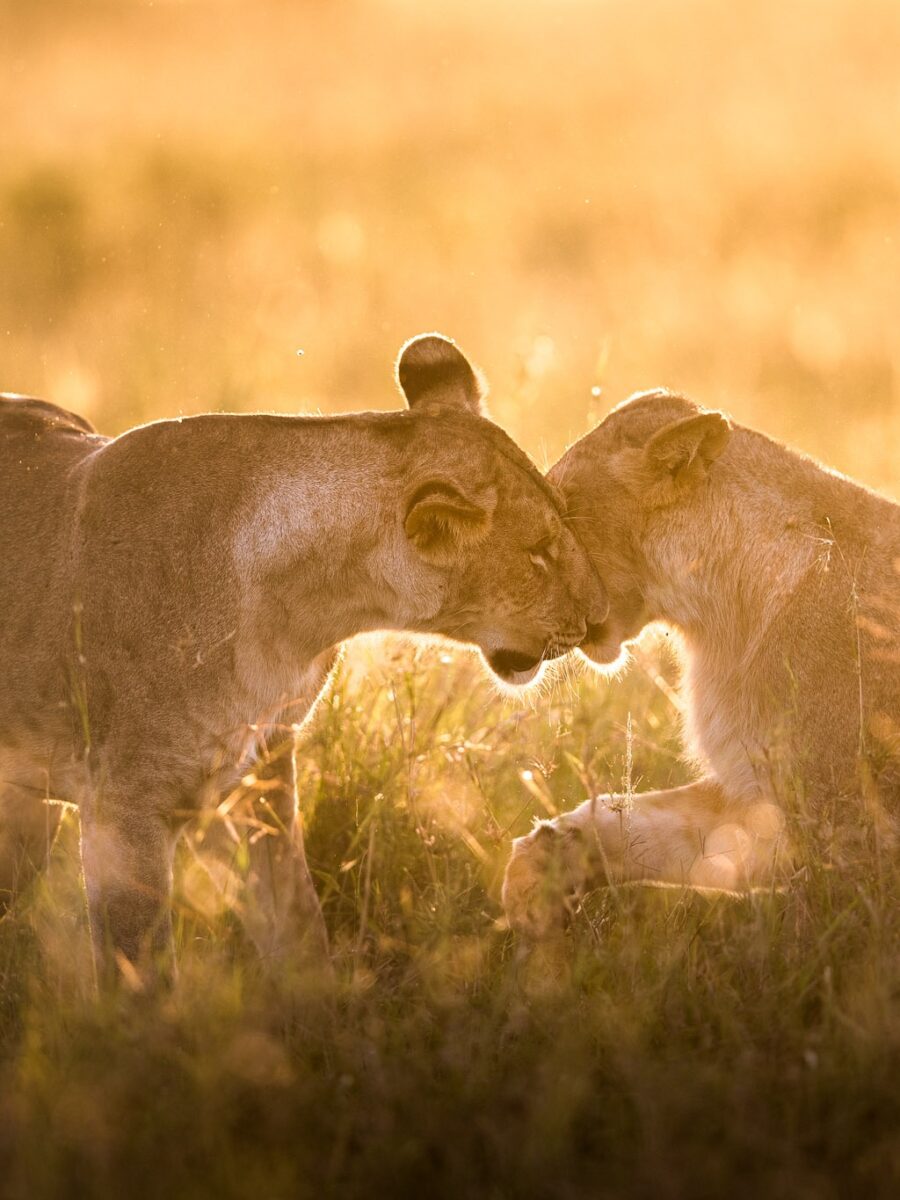
 Kenya
8 nights
Kenya Family Safari
Kenya through a child's eyes. The Mara and Kilimanjaro in eight nights.
View safari
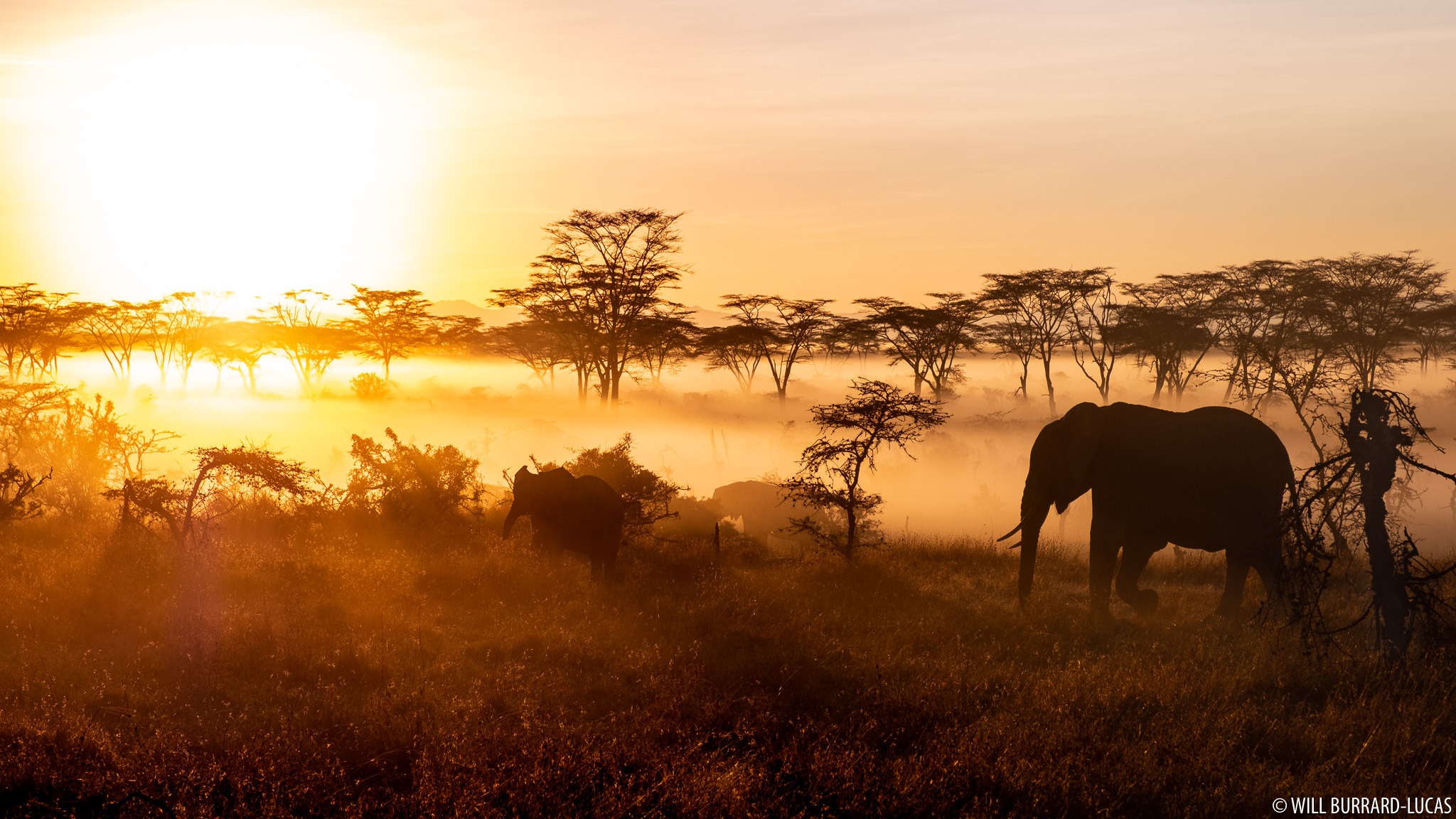
Laikipia is not a national park. It is a plateau — a million acres of private conservancy land sitting at 1,700 metres above sea level north of Mount Kenya, managed by a coalition of private ranches, community conservancies, and wildlife trusts that have, over thirty years, produced one of the most significant conservation outcomes in Africa. The black rhino population here is the largest outside a national park anywhere on the continent. The wild dog population is one of Kenya’s most stable. The elephant move freely across unfenced conservancy boundaries on corridors negotiated between landowners — a model of landscape-scale conservation that has been studied and replicated across Africa, and that began here, in this specific place, because a group of ranchers in the 1990s decided that wildlife was worth more alive than the cattle it competed with.
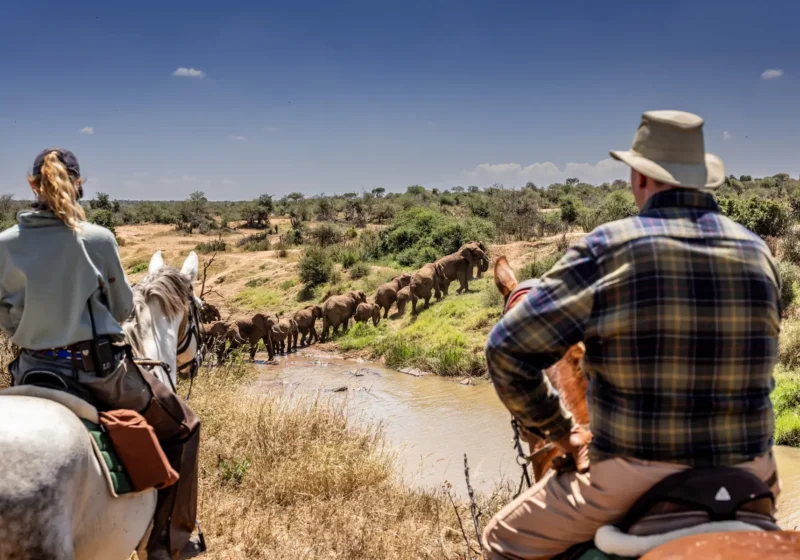
The diversity of experience that Laikipia offers is a function of that landscape scale. Game drives, night drives, walking safaris, horseback safaris, camel-assisted fly camping, and tracking on foot are all available — often from the same camp, on the same day — because the conservancies are large enough and the wildlife habituated enough to support all of them simultaneously. The rhino tracking experience here is unlike anything a national park offers: on foot, with a ranger who knows the individual animals and their current range, approaching on foot across open grassland with no vehicle between you and the animal. It requires no particular fitness and no prior experience. It requires only the willingness to be appropriately close to something that weighs two thousand kilograms.
Mount Kenya dominates the southern horizon from most of the plateau — its twin peaks, Batian and Nelion, visible on clear mornings above the acacia canopy, close enough to read their snow cover, far enough to retain their drama. The conservancies closest to the mountain — Ol Pejeta, Lewa, Borana — offer a combination of open savannah, cedar forest margins, and highland moorland that produces a birdlist and a botanical diversity unavailable in the lowland parks. The night sky at 1,700 metres, away from any significant light pollution, is one of the better arguments for staying an extra night that Laikipia makes quietly and convincingly.
These can be woven into your safari or treated as standalone days. Tell us which ones move you.
Kenya
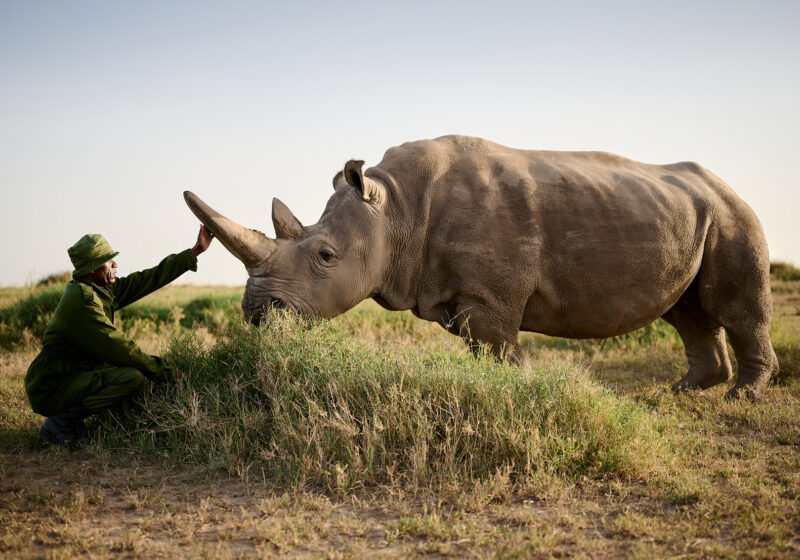
Najin and Fatu are the last two northern white rhinos alive. Both female, both under constant armed guard, both past reproductive age
Learn more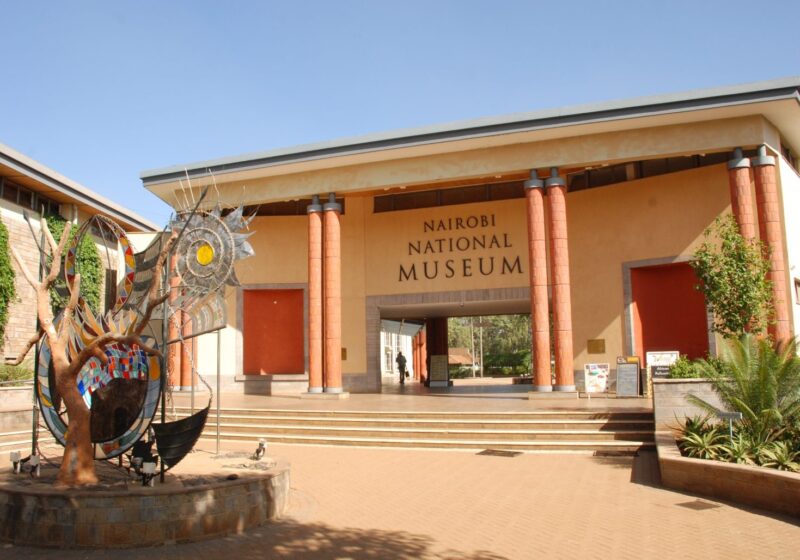
Kenya
The city holds two institutions worth a proper morning: the National Museum of Kenya, with its natural history and prehistory collections
Learn more
Kenya
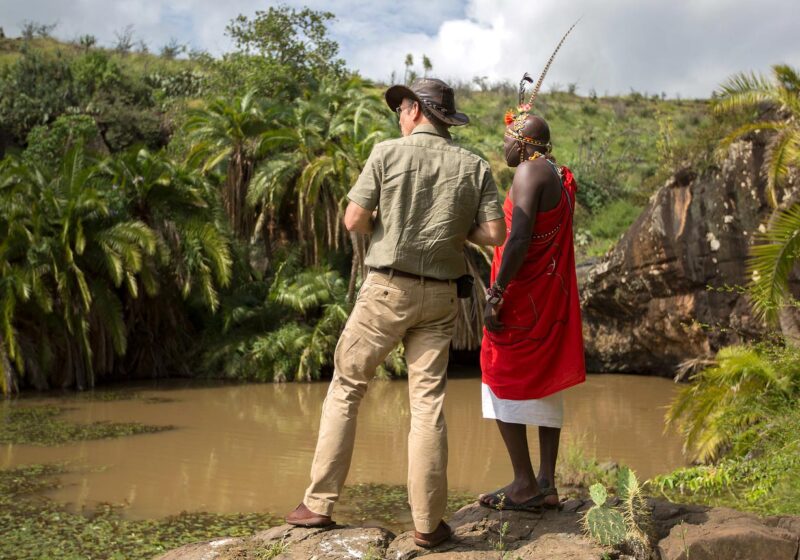
Departing from a conservancy camp at first light, the walk takes in the same terrain covered on a game drive but at a completely different register.
Learn more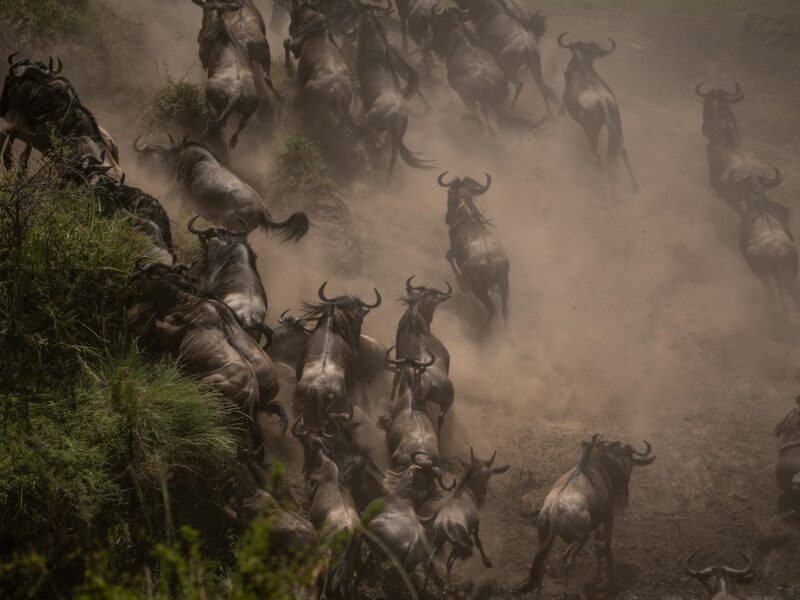
Kenya
Between July and October, the northern Serengeti herds press into Kenya, drawn by the green flush of the Mara's short-grass plains.
Learn moreWe have worked in Laikipia Plateau long enough to know which camps earn their place, which guides change how you see things, and when to be there. Let's talk.
