
The Park
What makes
What makes
Liuwa Plain National Park.
Liuwa Plain is the most remote national park in this collection and the one that requires the most honest description of what it offers and what it does not. There is one permanent camp. The roads are seasonal and variable. The journey from Lusaka involves a charter flight to Kalabo and a vehicle transfer across the plain that takes as long as the plain requires. The accommodation is comfortable but not luxurious. None of this is relevant once you are standing on the Liuwa Plain during wildebeest migration season with forty thousand animals moving around you and the horizon entirely empty in every direction — at which point the question of what the camp’s thread count is becomes the least interesting thing you can think about.
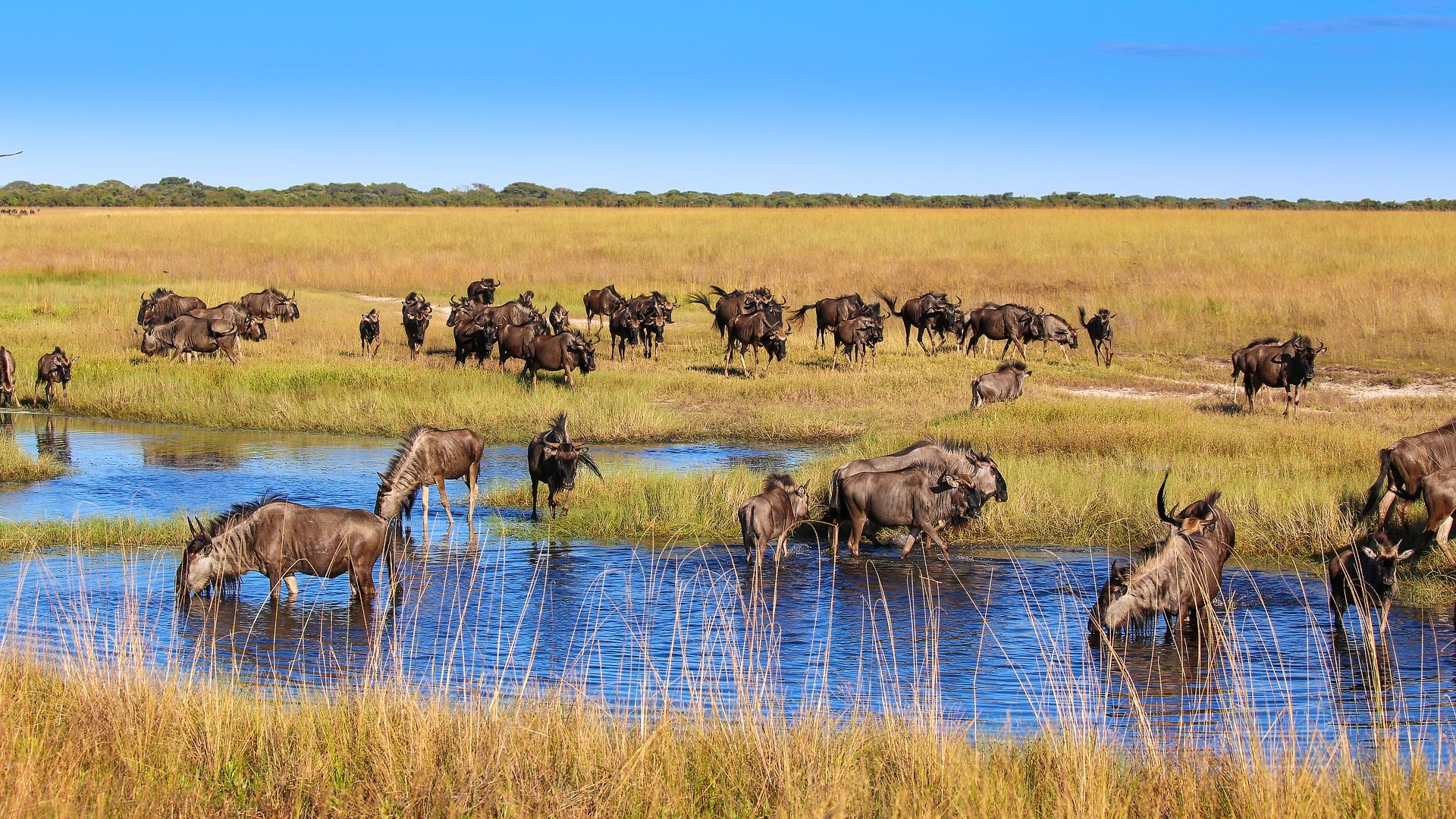
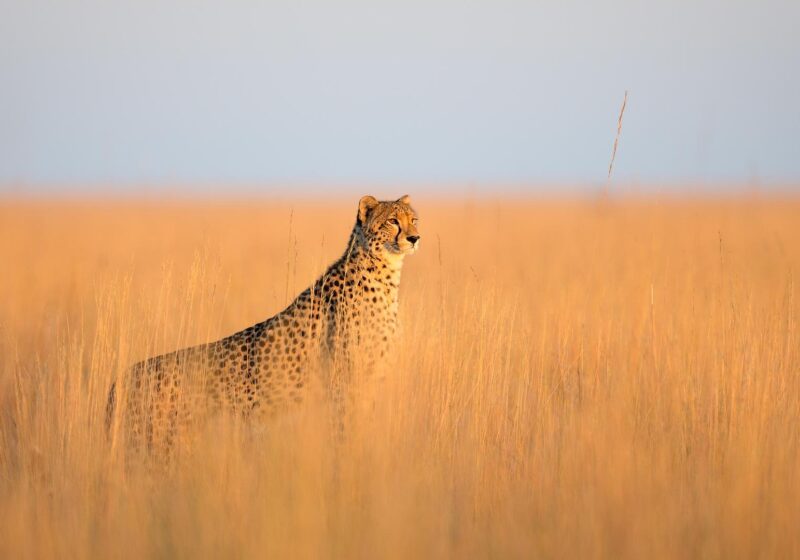
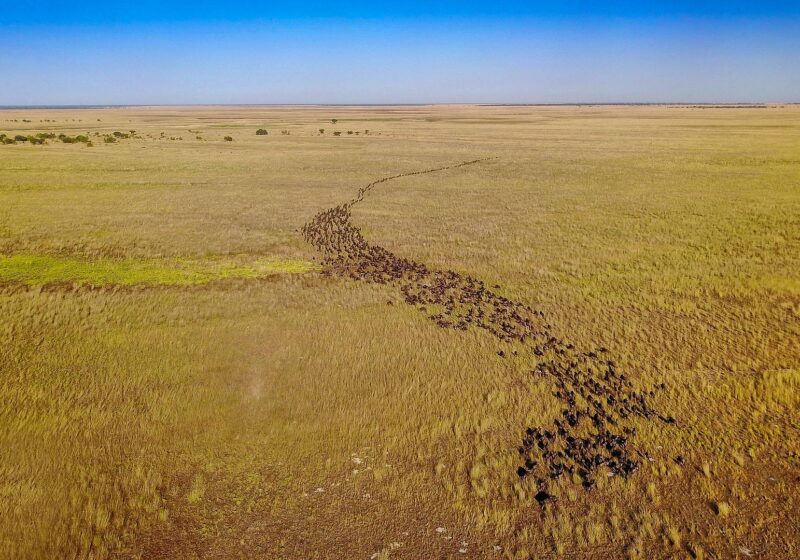
The Liuwa Plain wildebeest migration is Africa’s second largest — forty thousand animals moving across a three-thousand-six-hundred-square-kilometre seasonal floodplain in western Zambia between October and January, following the same ancient logic as the Serengeti migration but in a landscape that the twentieth century’s tourist infrastructure has not reached. African Parks took over management of Liuwa in 2003 following a period of severe poaching that had reduced the park’s wildlife to a shadow of its former self — the wildebeest population decimated, the lion reduced to a single female who had survived the collapse of her entire pride and was known to the local Lozi people as Lady Liuwa. The recovery that followed has been one of African Parks’ most celebrated conservation outcomes: the wildebeest herds restored, lion reintroduced and breeding, cheetah populations recovering, and the Lozi community incorporated as genuine stakeholders in the park’s management through a model of benefit sharing that has been studied across the continent.
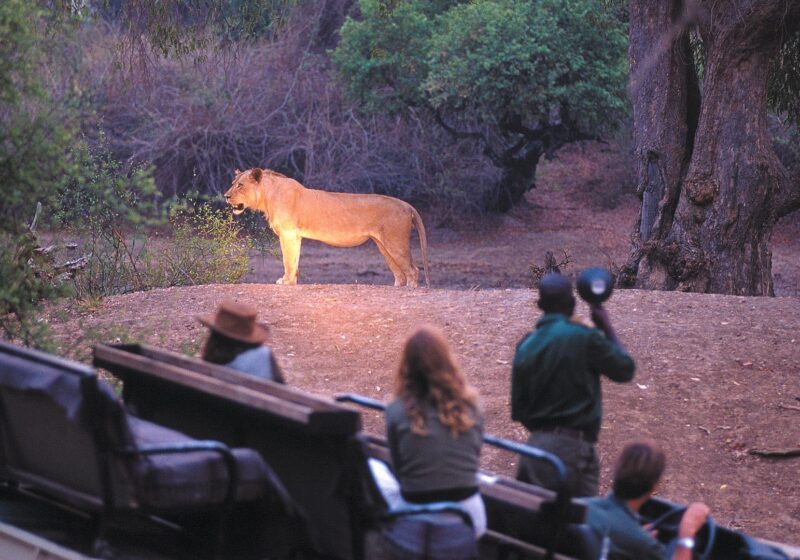
Lady Liuwa died in 2017 after fourteen years of documented solitude followed by seven years of restored companionship with the reintroduced lion population — a life whose arc, from the last survivor of a collapsed ecosystem to the matriarch of a recovering one, is one of the more extraordinary individual wildlife stories in Africa. The lion population she helped anchor now holds multiple prides, their territories distributed across the plain’s grassland and the woodland margins, and a morning game drive on the Liuwa Plain in the dry season can produce lion, cheetah, wild dog, and hyena in a landscape so open that the predator-prey interactions are visible across distances that the wooded parks of the Luangwa Valley and the Lower Zambezi cannot match. Liuwa is the answer to a question that most safari travellers do not know they are asking: what does it look like when an ecosystem comes back?
Key Wildlife
Wildebeest, lion, cheetah, wild dog, spotted hyena, zebra, red lechwe, tsessebe, buffalo, oribi, side-striped jackal, African fish eagle, wattled crane, crowned crane
Best Time to Visit
October–January for wildebeest migration; June–October (dry season) for predator activity and open plain game viewing; April–May for green season birding and dramatic skies
Best For
Expedition-minded travellers, those who have exhausted conventional safari destinations, conservation story enthusiasts, photographers seeking solitude at scale, experienced safari-goers wanting Africa entirely unmediated
Add to Your Journey
Experiences worth
Experiences worth
adding.
These can be woven into your safari or treated as standalone days. Tell us which ones move you.
1 / 6
Liuwa Plain National Park is best understood
from inside it.
We have worked in Liuwa Plain National Park long enough to know which camps earn their place, which guides change how you see things, and when to be there. Let's talk.