
The Park
What makes
What makes
Matobo National Park.
The Matobo Hills were formed two billion years ago, when the granite of the Zimbabwe craton cooled and fractured along fault lines that subsequent millennia of weathering have exposed as the balanced boulders, cave systems, and kopje formations that now cover three thousand square kilometres of Matabeleland south of Bulawayo. The landscape looks assembled — boulders the size of houses perched on each other in configurations that engineering logic says should not stand — and the quality of light it produces at dawn and dusk, when the granite takes on a warmth that the midday hours withhold, is specific to this place and this rock type in a way that rewards the photographer who plans around it.
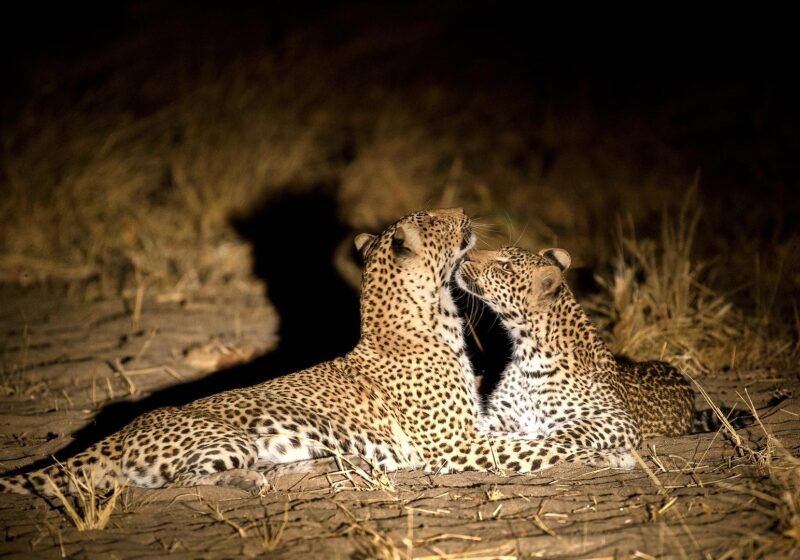
The national park that protects the core of this landscape holds the highest recorded density of leopard of any area on earth — a consequence of the kopje terrain providing ideal denning and ambush habitat, the prey base being consistently strong, and the leopard population having been studied and protected here long enough to produce animals of exceptional size and relative fearlessness. Leopard sightings in Matobo are not guaranteed on any given morning but are more reliably achieved here than anywhere else in Africa, and the guides who work the park know the individual animals and their current territories with a precision that transforms a leopard search from a matter of luck into a matter of method.
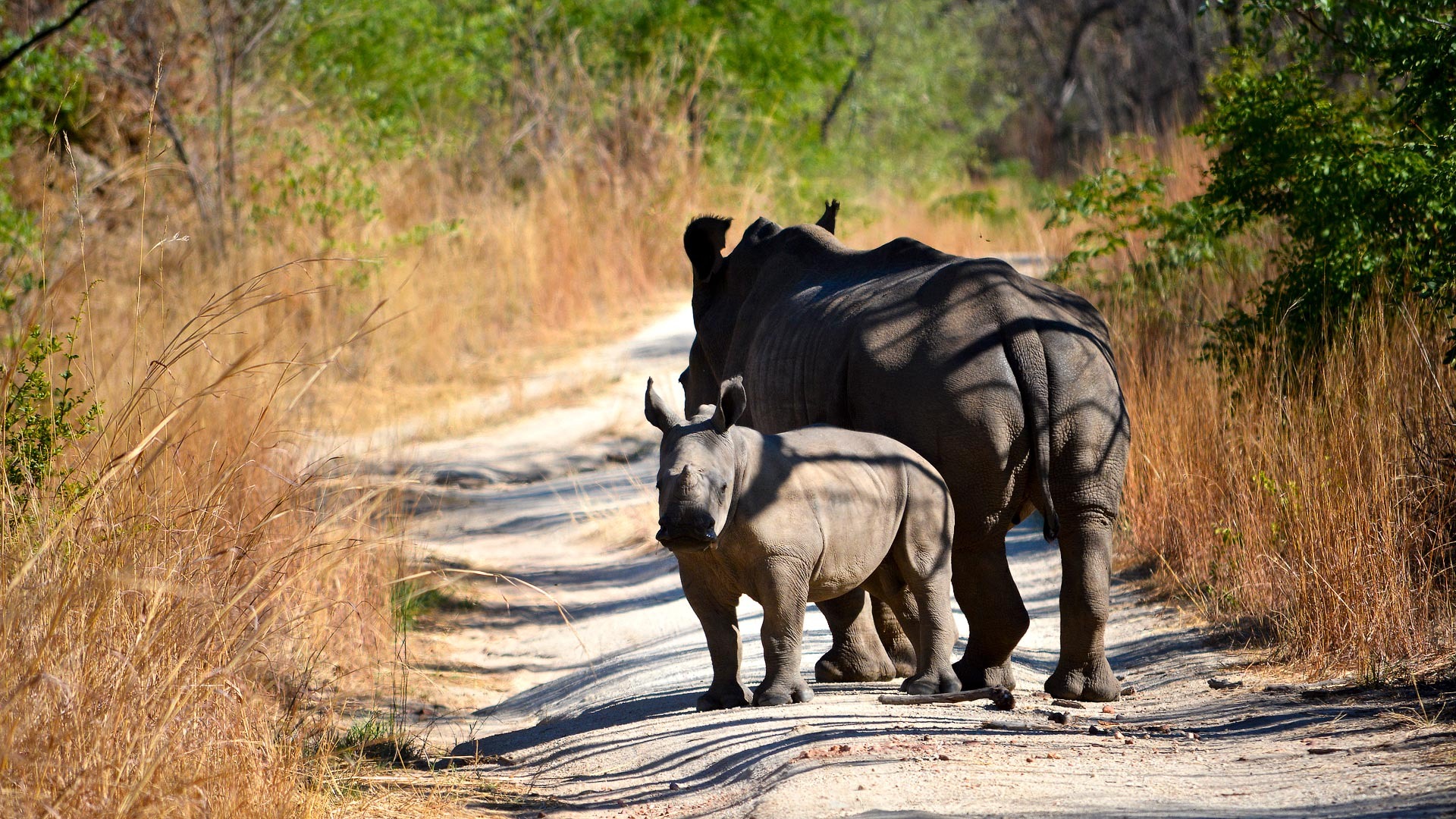
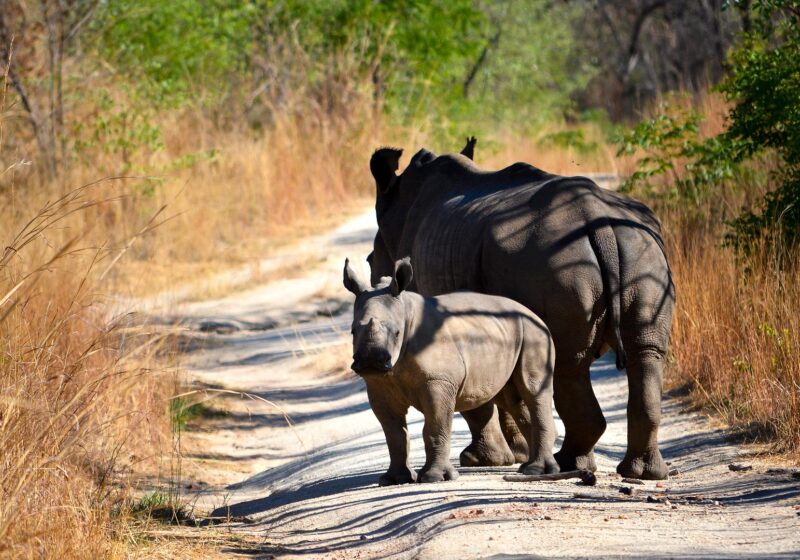
The rhino populations are Matobo’s other defining feature — both white and black rhino present on open ground, tracked on foot with rangers in an experience that has no equivalent in East Africa. The white rhino, grazers by habit, are found on the open grassland between the granite formations and can be approached to close range with a competent guide and appropriate wind management. The black rhino, browsers and considerably more reactive, occupy the thicker vegetation in the kopje systems and require a more careful approach — slower, lower, with more distance maintained and more attention to the animal’s body language. The tracker who leads the search reads the morning’s spoor in the red dust and loose granite grit between the boulders with a fluency that takes years to acquire and is genuinely impressive to watch.
Key Wildlife
Leopard, white rhino, black rhino, lion, cheetah, zebra, giraffe, wildebeest, impala, klipspringer, verreaux's eagle, augur buzzard, lappet-faced vulture
Best Time to Visit
Year-round; May–October (dry season) for rhino tracking and clearest kopje visibility; leopard present year-round with sightings most reliable in dry season
Best For
Returning safari-goers, rhino specialists, leopard enthusiasts, rock art scholars, photographers, those building a complete Zimbabwe itinerary beyond the Zambezi corridor
Add to Your Journey
Experiences worth
Experiences worth
adding.
These can be woven into your safari or treated as standalone days. Tell us which ones move you.
1 / 5
Matobo National Park is best understood
from inside it.
We have worked in Matobo National Park long enough to know which camps earn their place, which guides change how you see things, and when to be there. Let's talk.