
The Park
What makes
What makes
Matusadona National Park.
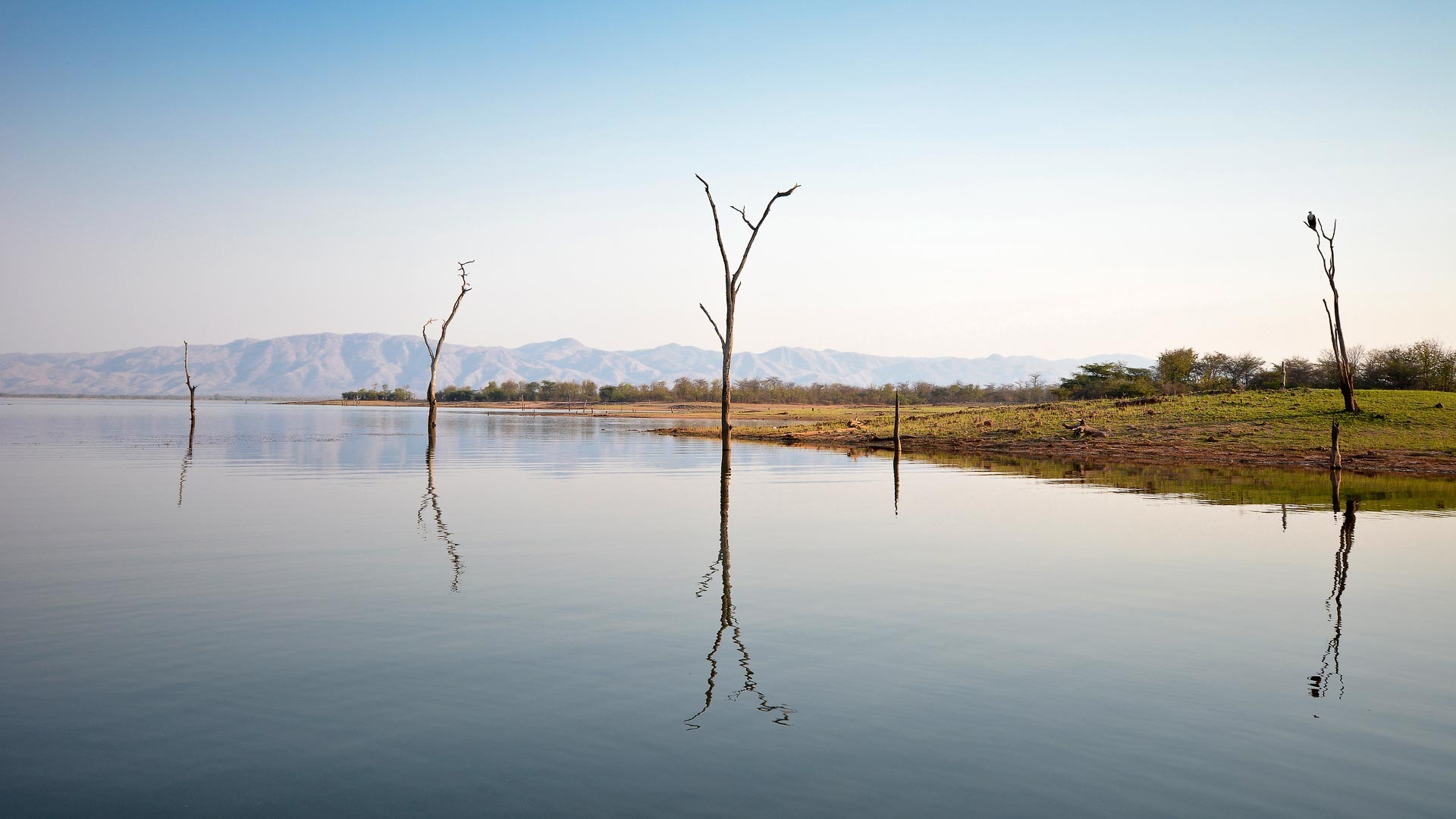
Matusadona occupies one of the stranger landscapes in southern Africa — a national park whose entire eastern boundary is a shoreline, whose interior rises steeply through jesse bush and mopane woodland to the Matusadona mountain range above, and whose wildlife exists in a setting created not by geological process but by one of the most consequential acts of twentieth-century engineering in Africa. Lake Kariba, impounded by the Kariba Dam in 1958 and filled over the following years, drowned the entire middle Zambezi valley between the dam wall and the Mozambican border — an area of several thousand square kilometres of riverine woodland, mopane forest, and Zambezi floodplain that had sustained wildlife and Tonga communities for millennia. The drowned trees that still rise from the lake’s surface sixty years later are both the most visually distinctive feature of the Kariba landscape and the most persistent reminder of what the valley was before the water came.
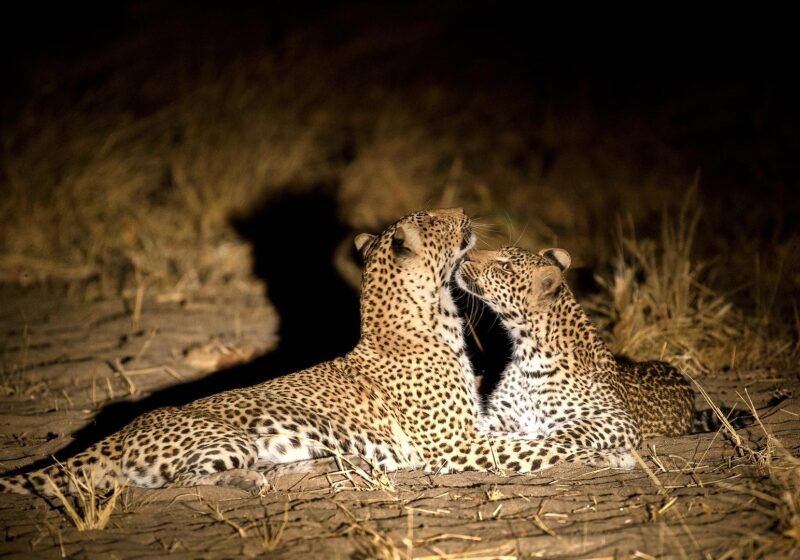
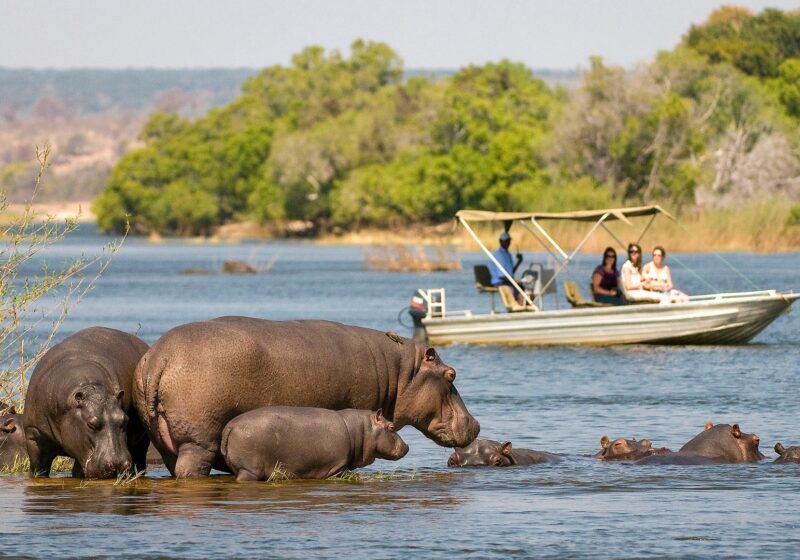
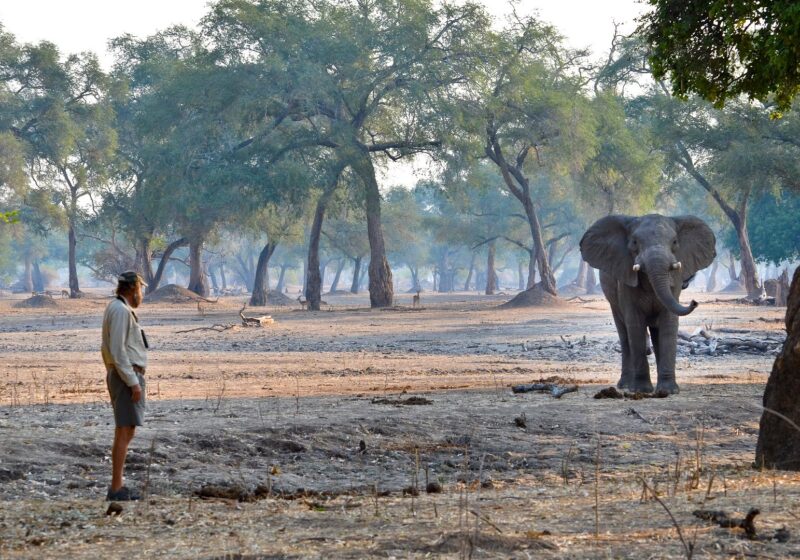
The wildlife that remained in the hills above the waterline — and that was supplemented by Operation Noah, the remarkable rescue operation that saved thousands of animals from the rising waters in 1958 and 1959 — has been adapting to the lake environment ever since. Elephant swim between the islands and the mainland with a casualness that reflects generations of lake familiarity. Buffalo herds move along the shoreline at dawn, their reflections doubling in the still morning water. Lion prides have territories that incorporate both the jesse bush interior and the lakeshore margins, producing the specific combination of lion and water that generates some of the most unexpected wildlife photography in Zimbabwe.
The safari experience at Matusadona is defined by its combination of land and water — game drives along the shoreline at first light, boat safaris along the lake’s edge through the morning, and the particular quality of stillness that Kariba produces in the hours before the afternoon wind builds. The houseboat safari, which operates on the wider lake rather than strictly within the park, uses Matusadona as its wildlife anchor — mooring along the park’s shoreline for game walks and drives while the boat provides accommodation, movement, and the experience of sleeping on open water with the drowned trees around you and the Zambian hills on the horizon. It is an experience specific to this lake, this landscape, and this particular history.
Key Wildlife
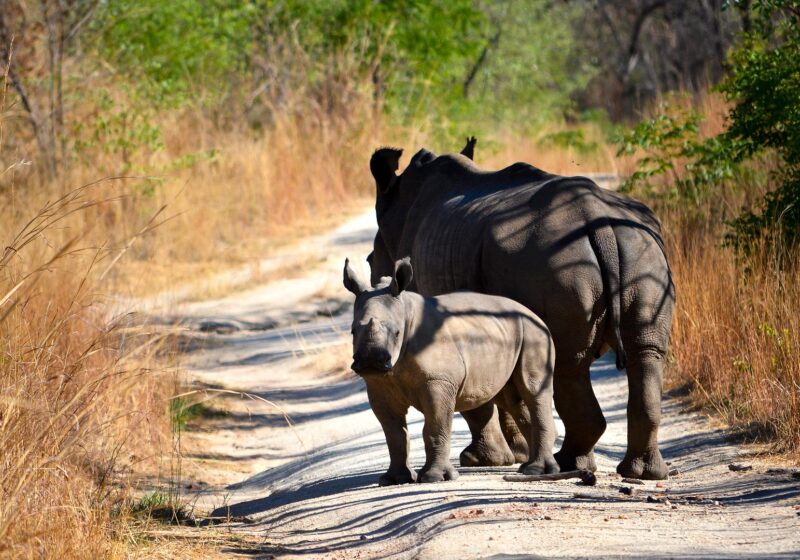
Elephant, lion, leopard, buffalo, hippo, crocodile, zebra, waterbuck, impala, reedbuck, tigerfish, African fish eagle, goliath heron, saddle-billed stork
Best Time to Visit
May–October (dry season); August–October peak for shoreline wildlife concentration and houseboat safari conditions; lake fishing excellent year-round
Best For
Those seeking an unconventional Zimbabwe experience, houseboat safari enthusiasts, photographers, those combining with Hwange or Mana Pools, travellers wanting lake and land combined
Add to Your Journey
Experiences worth
Experiences worth
adding.
These can be woven into your safari or treated as standalone days. Tell us which ones move you.
1 / 5
Matusadona National Park is best understood
from inside it.
We have worked in Matusadona National Park long enough to know which camps earn their place, which guides change how you see things, and when to be there. Let's talk.