
The Park
What makes
What makes
North Luangwa National Park.
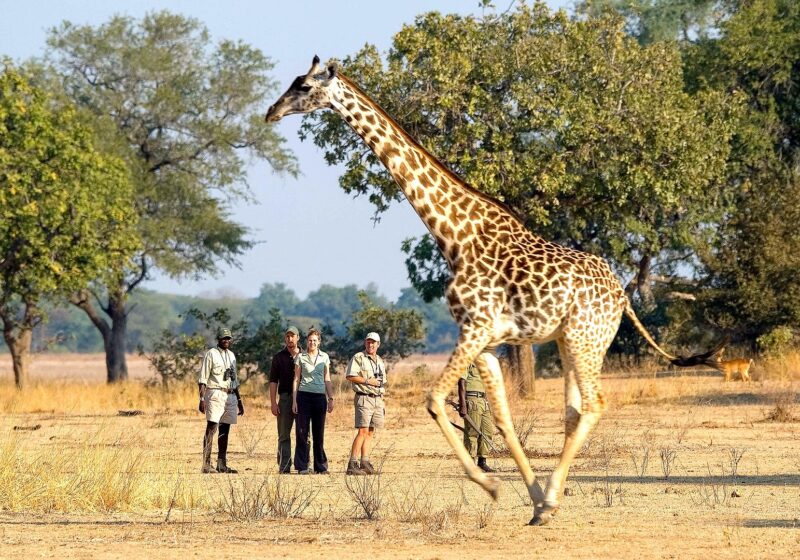
North Luangwa is what South Luangwa was before the camps arrived. A four-thousand-six-hundred-square-kilometre park in the northern Luangwa Valley with no permanent road-accessible camps and a walking-only safari model that has been in place since the park’s serious conservation era began in the 1980s — the result of a deliberate management decision to keep the northern valley as undeveloped as its southern neighbour was becoming celebrated. The decision has held. North Luangwa receives a fraction of South Luangwa’s already modest visitor numbers, its wildlife has calibrated accordingly, and the experience of walking here is of a quality and an intensity that the southern park — for all its excellence — can no longer fully replicate.
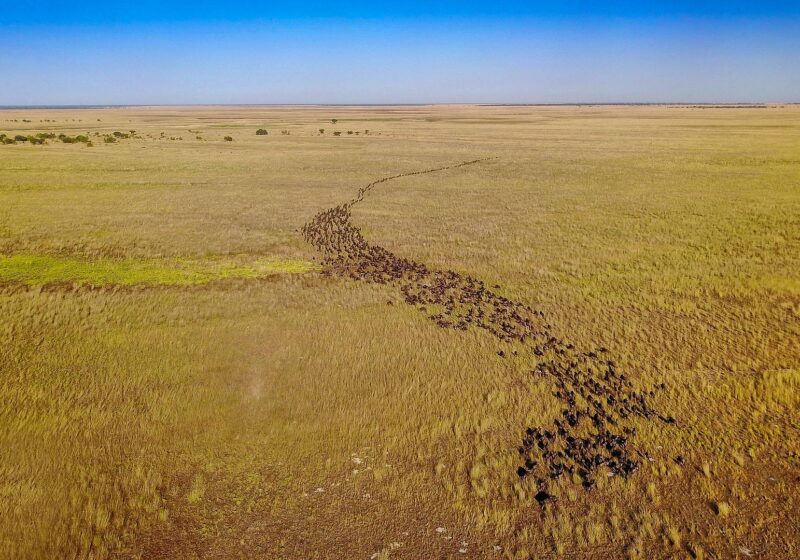
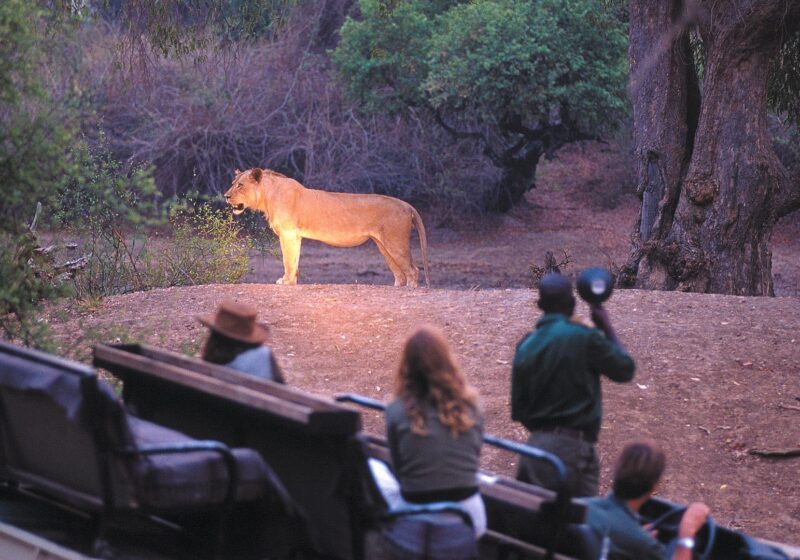
The buffalo herds are North Luangwa’s defining feature and the ecological engine around which everything else organises itself. Herds of two and three thousand animals move through the open mopane woodland in the dry season in columns visible from several kilometres, their movement tracked by the lion prides that follow them and by the guides who have spent careers learning to read the valley’s buffalo patterns. A North Luangwa walking safari is, at its core, a buffalo safari — the herds are the reference point, the predators are the consequence, and the walking guide’s ability to position the group relative to both simultaneously is the skill that separates a North Luangwa guide from every other walking guide in Africa. The approach to a buffalo herd of two thousand animals on foot, with a lion pride working its margins and nothing between you and the nearest animal but the guide’s knowledge and the morning wind direction, is an experience that no vehicle and no other park produces.
The Mwaleshi River, which drains the northern valley and joins the Luangwa near the park’s southern boundary, provides the permanent water source that sustains the wildlife through the dry season and the walking routes that the camps use as the structural backbone of their safari programmes. Walking along the Mwaleshi — a clear, rocky river unlike the Luangwa’s brown seasonal flow — produces encounters with the full range of the valley’s wildlife in terrain that rewards the walking pace specifically: the tracks in the sand read clearly, the approach angles are manageable, and the river’s course provides natural cover and natural breaks in the vegetation that the guide uses with the precision of someone who has walked the same ground hundreds of times and found something new on each occasion. North Luangwa is not for every visitor. It is for those who already know what a safari is and have decided that ordinary will not do.
Key Wildlife
Buffalo, lion, leopard, elephant, hippo, wild dog, hyena, zebra, impala, puku, Cookson's wildebeest, Thornicroft's giraffe, crocodile, African wild cat
Best Time to Visit
May–October (dry season); June–September optimal for buffalo herd movements and predator activity; walking season only — no dry season access by vehicle
Best For
Experienced safari-goers specifically seeking walking safaris, those who have done South Luangwa and want the uncompromised version, serious wildlife travellers, expedition-minded visitors
Add to Your Journey
Experiences worth
Experiences worth
adding.
These can be woven into your safari or treated as standalone days. Tell us which ones move you.
1 / 6
North Luangwa National Park is best understood
from inside it.
We have worked in North Luangwa National Park long enough to know which camps earn their place, which guides change how you see things, and when to be there. Let's talk.