
The Park
What makes
What makes
Nyerere National Park.
Nyerere National Park — incorporating the northern section of what was the Selous Game Reserve, renamed in 2019 to honour Tanzania’s founding president — is the largest national park on the African continent by area, covering approximately thirty thousand square kilometres of river woodland, floodplain, and miombo that most visitors to Tanzania never see. The southern Selous, still a UNESCO World Heritage Site and managed as a game reserve, extends the protected area further still. Together they form one of the last genuinely vast wilderness systems in East Africa, and one of the least visited relative to its size.
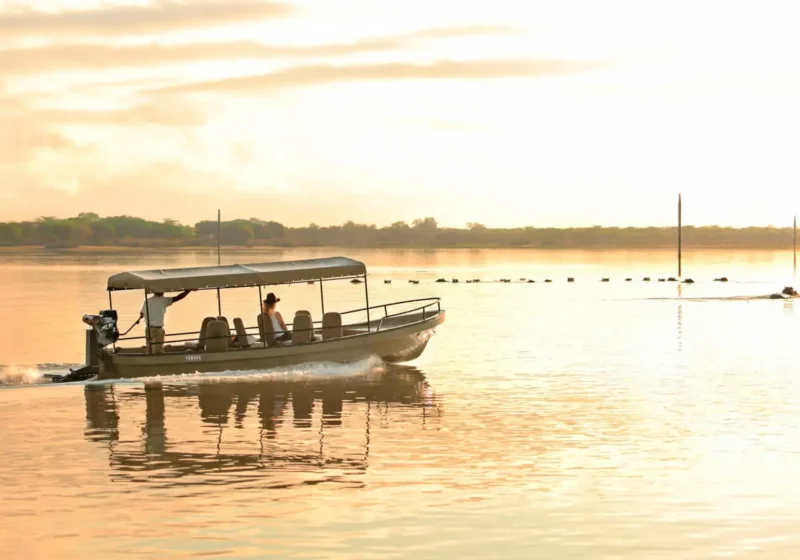
The Rufiji River is the park’s organising principle — a wide, slow, permanent watercourse that drains the southern highlands and supports an ecosystem of extraordinary density along its banks. Boat safaris on the Rufiji are the experience that defines Nyerere: moving quietly through hippo pods, drifting past crocodile lines on exposed sandbanks, watching elephant and buffalo come to the water’s edge at distances that a vehicle on land would not allow. The guides who work the river know its channels, pools, and resident wildlife with the intimacy that comes from years on the water rather than years on a road. A morning on the Rufiji produces a different quality of encounter from anything the northern circuit offers.
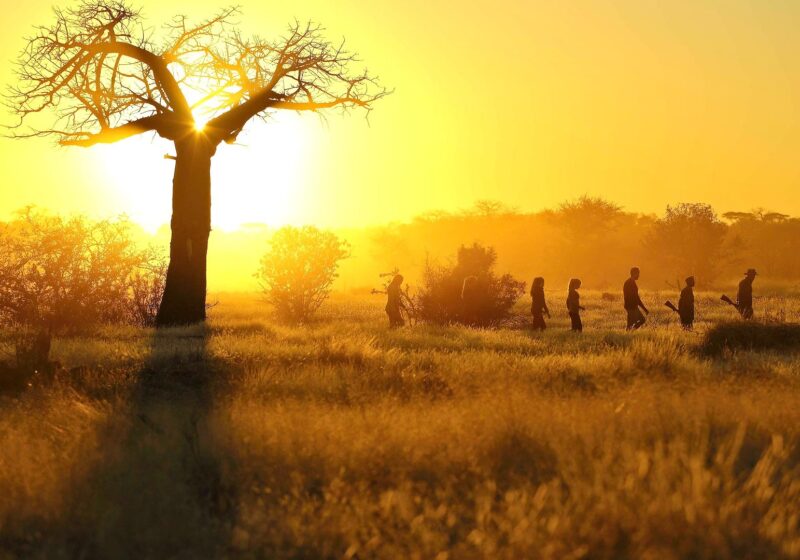
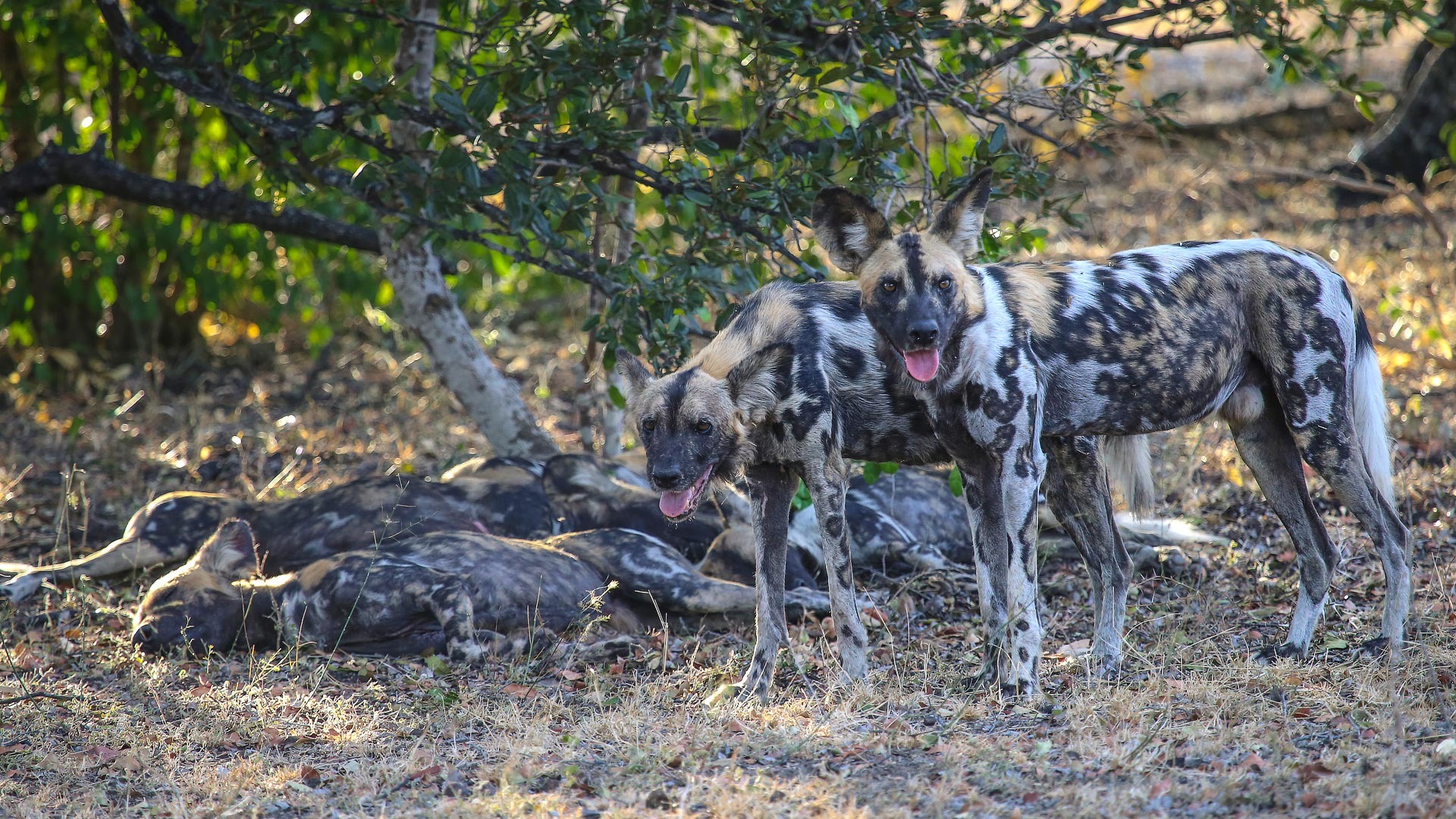
Walking safaris operate here with the same freedom as Ruaha — the park is large enough and lightly enough visited that routes are chosen by the guide rather than prescribed by regulation, and the miombo woodland between the river and the treeline produces tracking experiences that reward patience. Wild dog are present in the Nyerere ecosystem in significant numbers; the open woodland and seasonal grassland provide ideal denning and hunting habitat. The park also holds one of Tanzania’s most important elephant populations, recovering steadily from the severe poaching losses of the 1980s and 1990s through a combination of ranger presence and international conservation funding that has been more sustained here than almost anywhere else in the country.
Key Wildlife
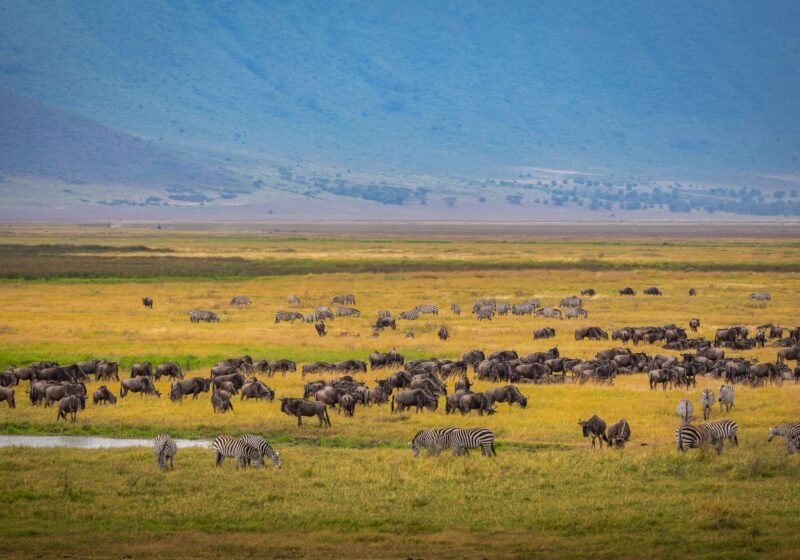
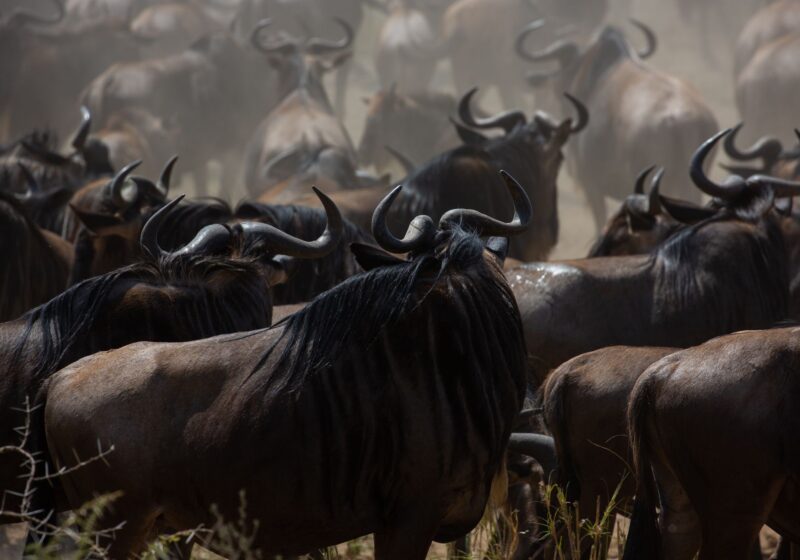
Lion, leopard, wild dog, elephant, hippo, crocodile, buffalo, sable antelope, zebra, wildebeest, giraffe, African skimmer, palm-nut vulture
Best Time to Visit
June–October (dry season); July–September peak for river levels, boat safari conditions, and predator activity
Best For
Returning safari-goers, wild dog specialists, boat safari seekers, walking safari enthusiasts, those wanting southern Tanzania remoteness
Add to Your Journey
Experiences worth
Experiences worth
adding.
These can be woven into your safari or treated as standalone days. Tell us which ones move you.
1 / 6
Nyerere National Park is best understood
from inside it.
We have worked in Nyerere National Park long enough to know which camps earn their place, which guides change how you see things, and when to be there. Let's talk.