 Kenya
8 nights
Kenya Family Safari
Kenya through a child's eyes. The Mara and Kilimanjaro in eight nights.
View safari
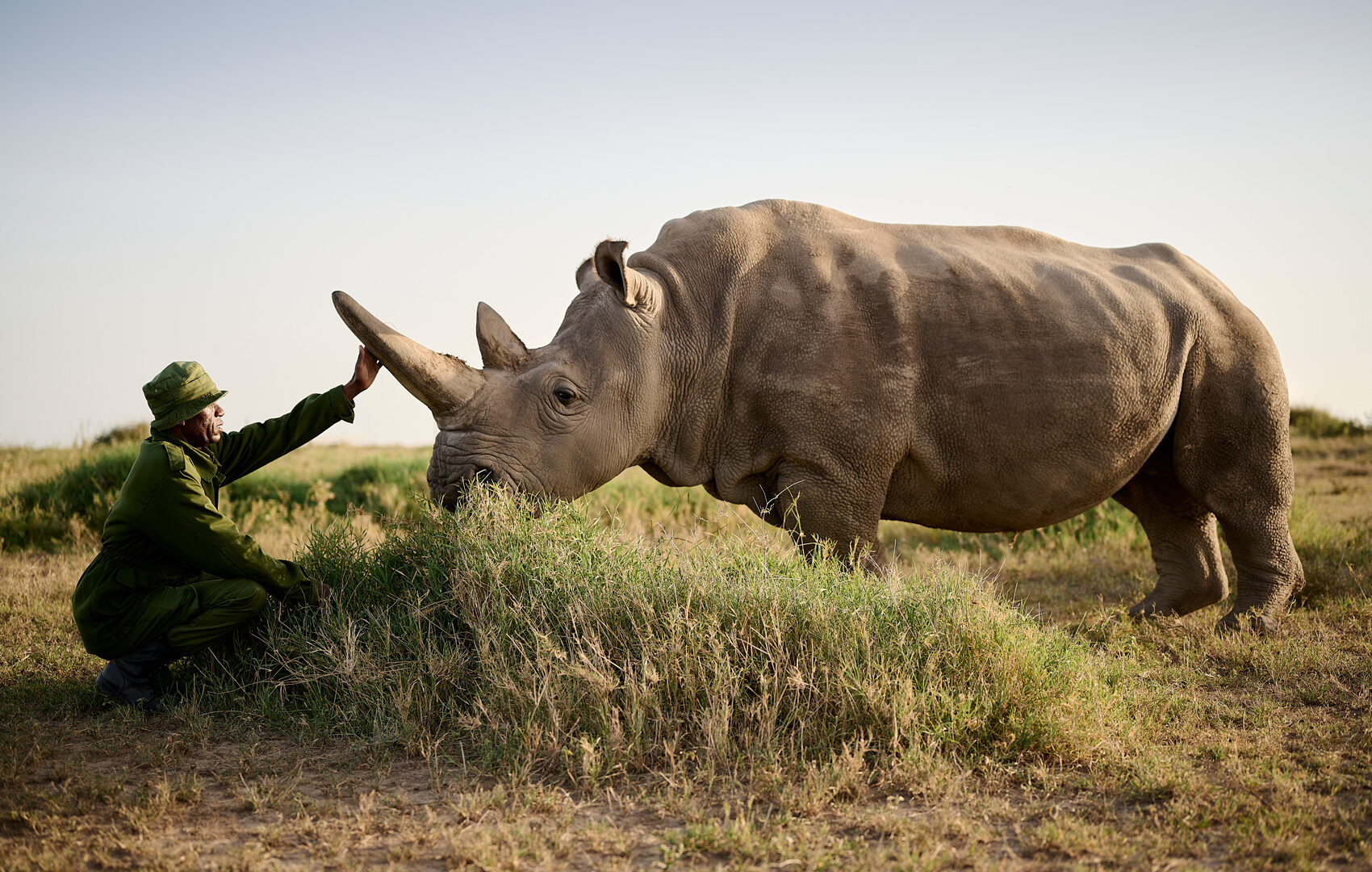
Ol Pejeta is the largest black rhino sanctuary in East Africa and the only place on earth where you can stand within fifty metres of the last two northern white rhinos alive. Those two facts sit in deliberate tension with each other — one telling a story of recovery, the other a story of irreversible loss — and the conservancy holds both honestly, without softening the second to make the first feel more comfortable. Visiting Ol Pejeta is, among other things, an exercise in understanding what conservation actually costs and what it can and cannot save.
The conservancy covers ninety thousand acres of open grassland and acacia woodland on the Laikipia Plateau, bordered to the south by the Ewaso Ng’iro River and overlooked on clear mornings by the twin peaks of Mount Kenya thirty kilometres to the east. The black rhino population — over one hundred and sixty individuals, the densest concentration outside a national park in Africa — moves freely across the conservancy on the same ground as lion, leopard, cheetah, elephant, and wild dog. The anti-poaching operation that protects them is one of the most sophisticated in Kenya: canine units, ranger patrols, aerial surveillance, and a community ranger programme that employs over three hundred people from the surrounding villages. The rhinos are alive because this infrastructure exists and is funded. The guided rhino tracking experience makes that infrastructure visible and explicable in a way that no amount of conservation literature achieves.
Najin and Fatu, the last two northern white rhinos, live within a fenced section of the conservancy under twenty-four-hour armed guard. Both are female; the subspecies cannot recover through natural reproduction. The BioRescue consortium — a collaboration between the conservancy, European scientific institutions, and reproductive biologists — is working to produce northern white rhino embryos from preserved genetic material and implant them in southern white rhino surrogate mothers. Whether it will succeed is genuinely uncertain. What is certain is that without Ol Pejeta, the last two animals would not have survived long enough for the attempt to be made. The visit to Najin and Fatu is brief, managed carefully, and not easily forgotten.
These can be woven into your safari or treated as standalone days. Tell us which ones move you.
Kenya
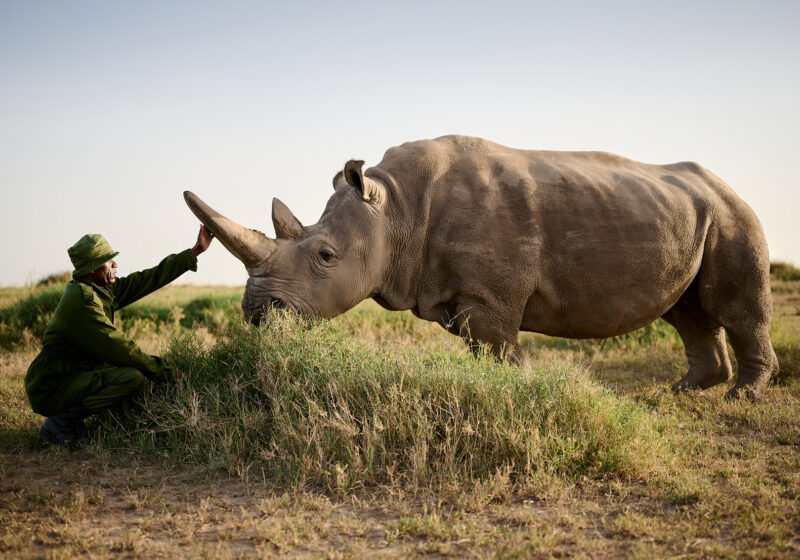
Najin and Fatu are the last two northern white rhinos alive. Both female, both under constant armed guard, both past reproductive age
Learn more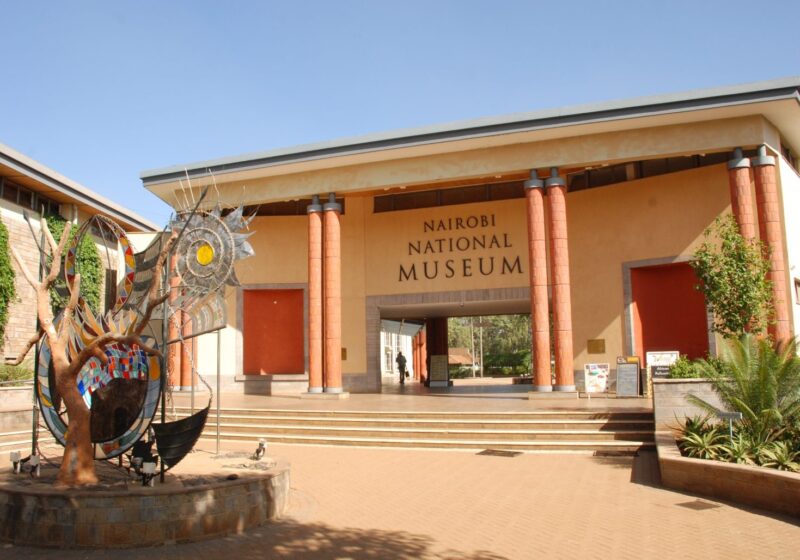
Kenya
The city holds two institutions worth a proper morning: the National Museum of Kenya, with its natural history and prehistory collections
Learn more
Kenya
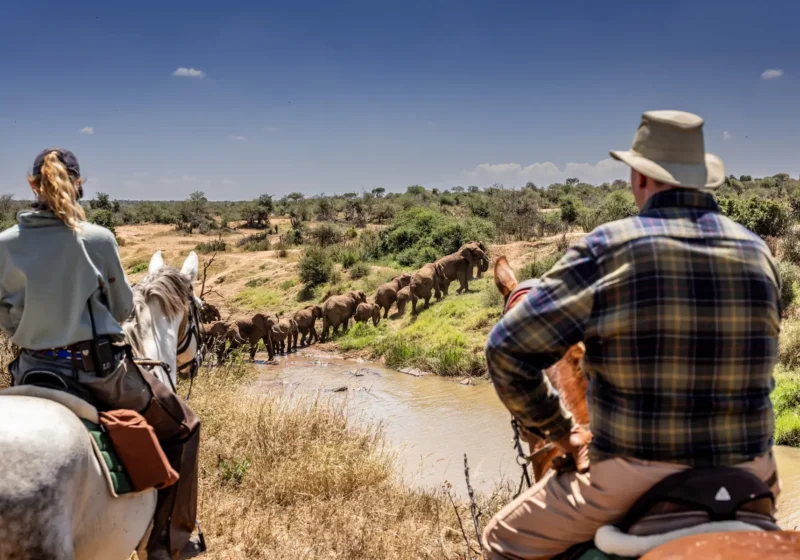
Departing from a conservancy camp at first light, the walk takes in the same terrain covered on a game drive but at a completely different register.
Learn more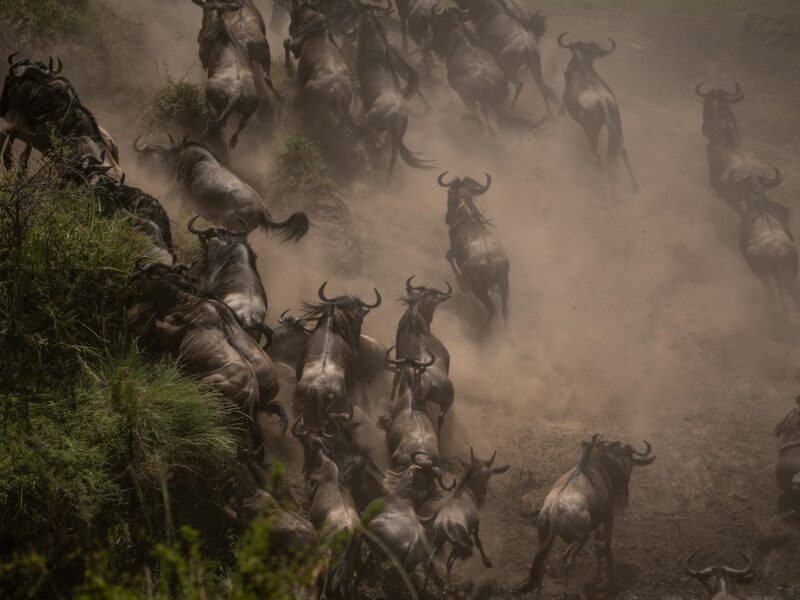
Kenya
Between July and October, the northern Serengeti herds press into Kenya, drawn by the green flush of the Mara's short-grass plains.
Learn moreWe have worked in Ol Pejeta Conservancy long enough to know which camps earn their place, which guides change how you see things, and when to be there. Let's talk.
