
The Park
What makes
What makes
Ruaha National Park.
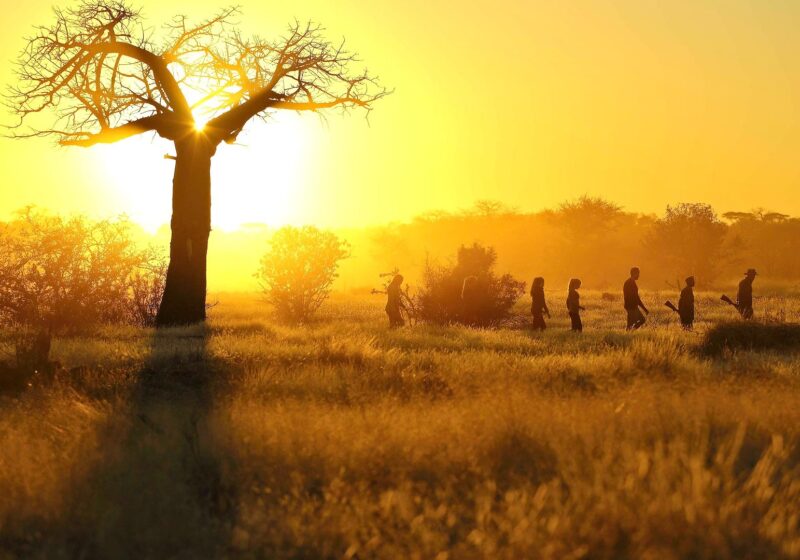
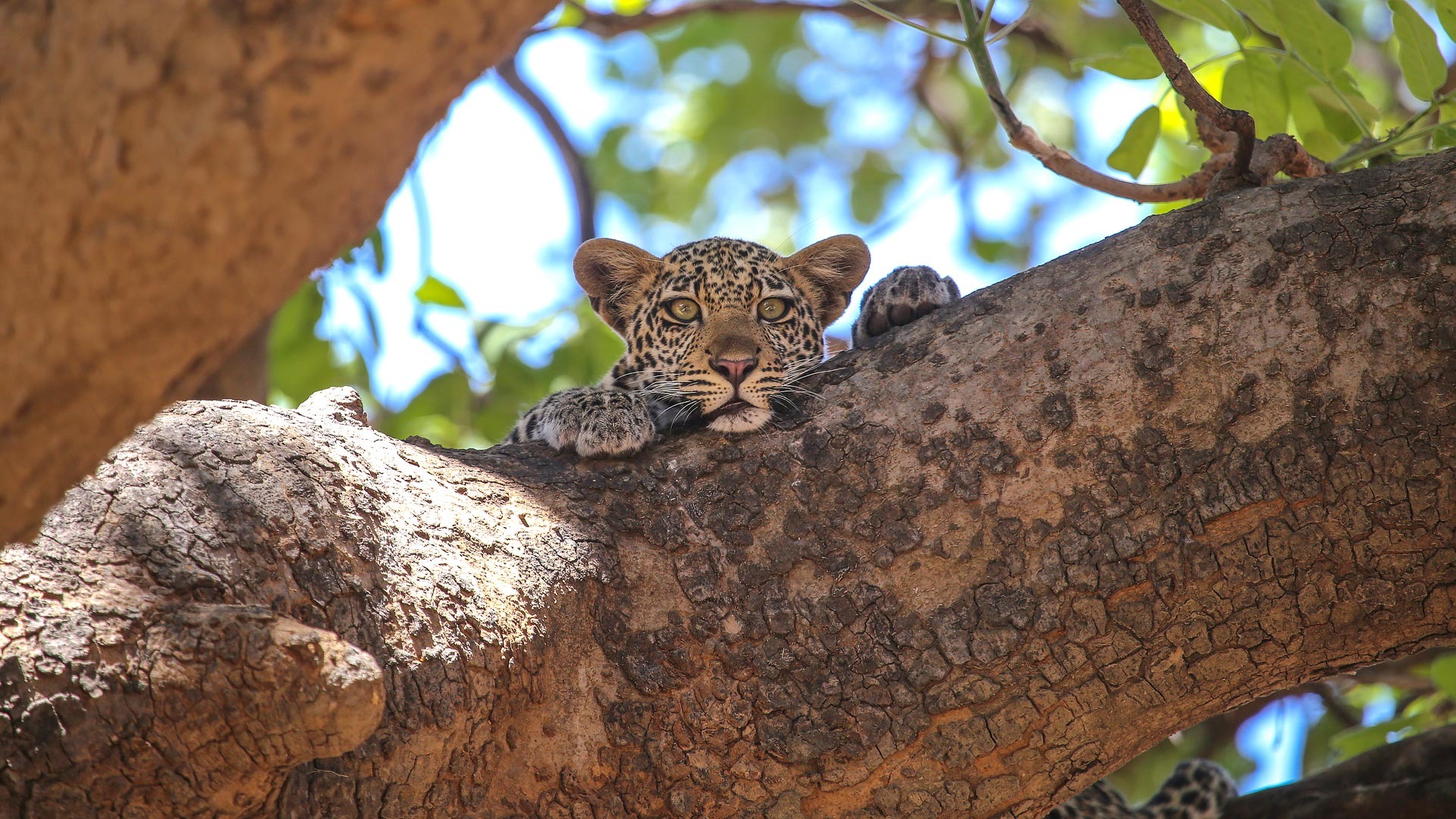
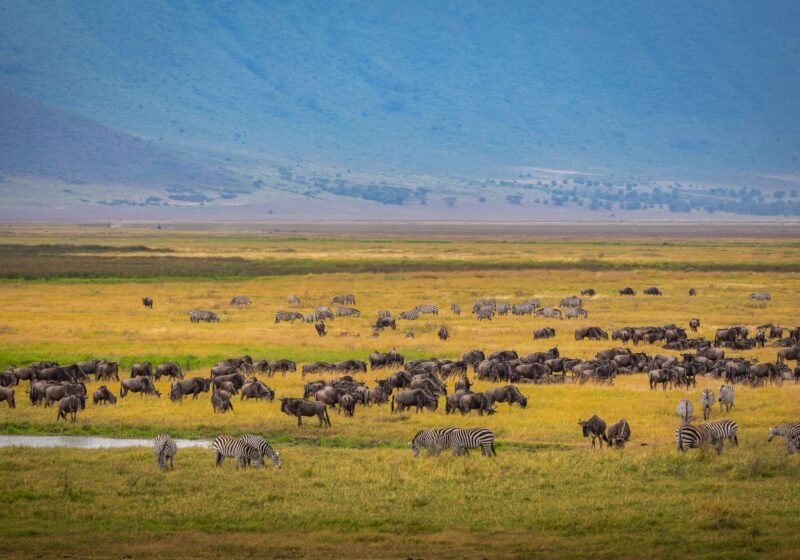
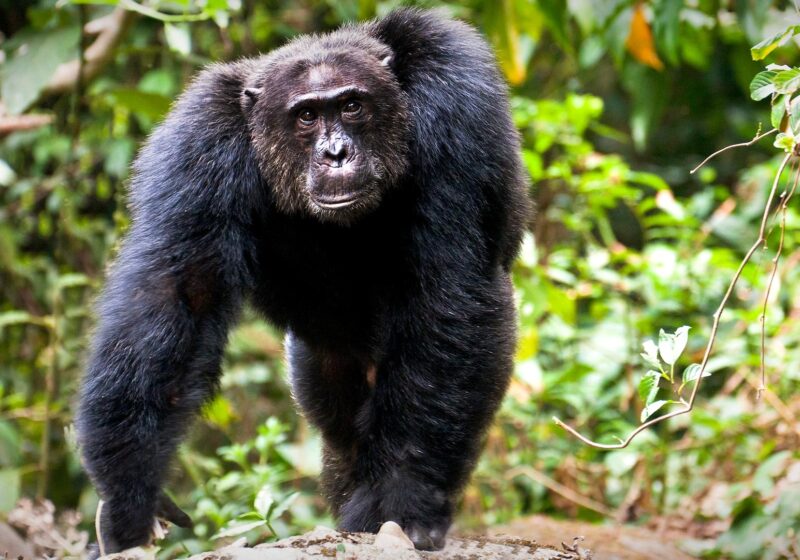
Ruaha is Africa as it was before the tourism industry decided what Africa should look like. There are no balloon operators, no Maasai village visits packaged for the afternoon, no convoy of vehicles around a lion kill. What there is: twenty thousand square kilometres of ancient miombo woodland, baobab savannah, and seasonal river country in southern Tanzania, holding the largest elephant population of any national park in East Africa, more lion than almost anywhere on the continent, and a density of predator diversity — lion, leopard, cheetah, wild dog, and spotted hyena all present in meaningful numbers simultaneously — that the northern circuit cannot match.
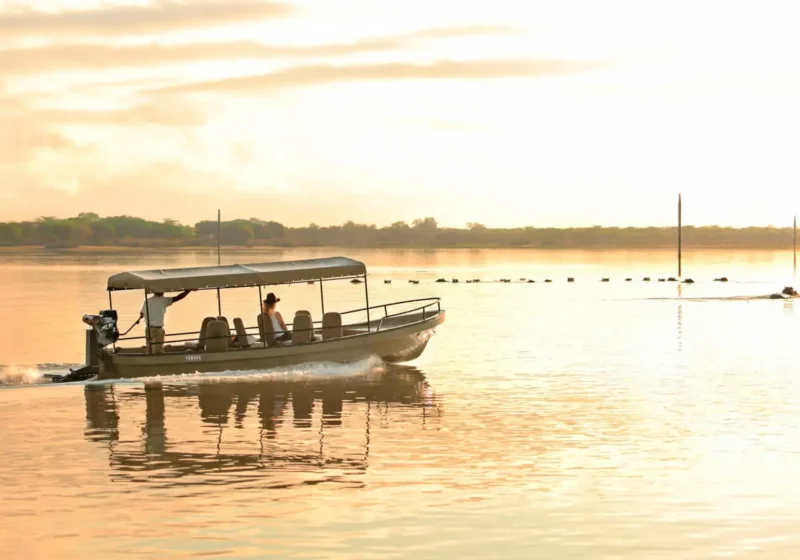
The landscape is the first thing that disorients visitors expecting the Serengeti. Ruaha is red-earthed, rocky, and dry in a way that feels geologically older than the open plains of the north — because it is. The Great Ruaha River, running through the park’s eastern section, drops to a series of pools and sandbanks in the dry season that concentrate wildlife along its banks in a way that makes game viewing from a riverbank camp feel almost unfair. Elephants come to drink in groups of fifty and sixty. Buffalo herds cross the shallows. Crocodile and hippo occupy every deep pool. The baobabs that line the banks have been standing for two thousand years and look it.
The southern circuit’s comparative inaccessibility — two flights from Nairobi or a single connection from Dar es Salaam — is the filtering mechanism that keeps Ruaha honest. The visitors who come here have generally done the Serengeti, understand what they are choosing, and are not looking for the familiar. The guides who work here have spent careers in this specific landscape and bring a depth of knowledge about Ruaha’s individual predator families, seasonal movements, and ecological systems that takes years to accumulate. A week in Ruaha does not feel like a week anywhere else in Tanzania. It feels like a different country entirely.
Key Wildlife
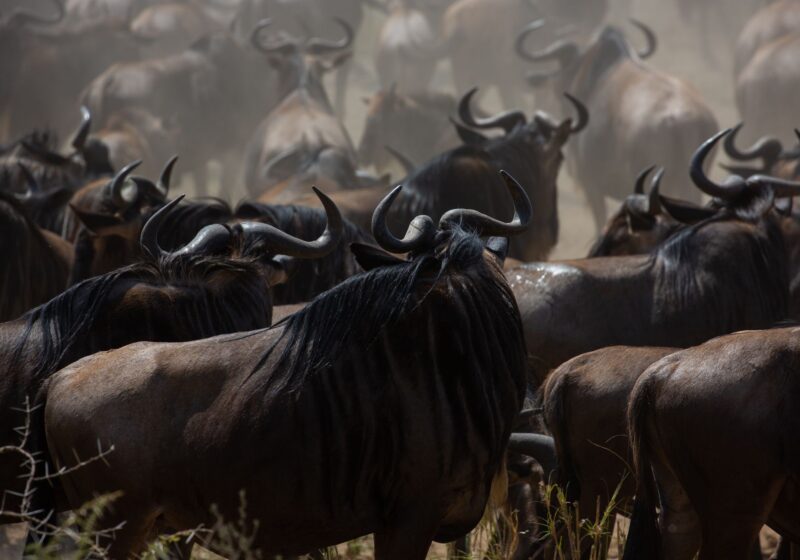
Lion, leopard, cheetah, wild dog, elephant, hippo, crocodile, greater kudu, roan antelope, sable antelope, zebra, buffalo, giraffe
Best Time to Visit
June–October (dry season); July–September peak for river wildlife concentration and predator activity
Best For
Returning safari-goers, wild dog enthusiasts, those seeking genuine remoteness, photographers, serious wildlife travellers
Add to Your Journey
Experiences worth
Experiences worth
adding.
These can be woven into your safari or treated as standalone days. Tell us which ones move you.
1 / 6
Ruaha National Park is best understood
from inside it.
We have worked in Ruaha National Park long enough to know which camps earn their place, which guides change how you see things, and when to be there. Let's talk.