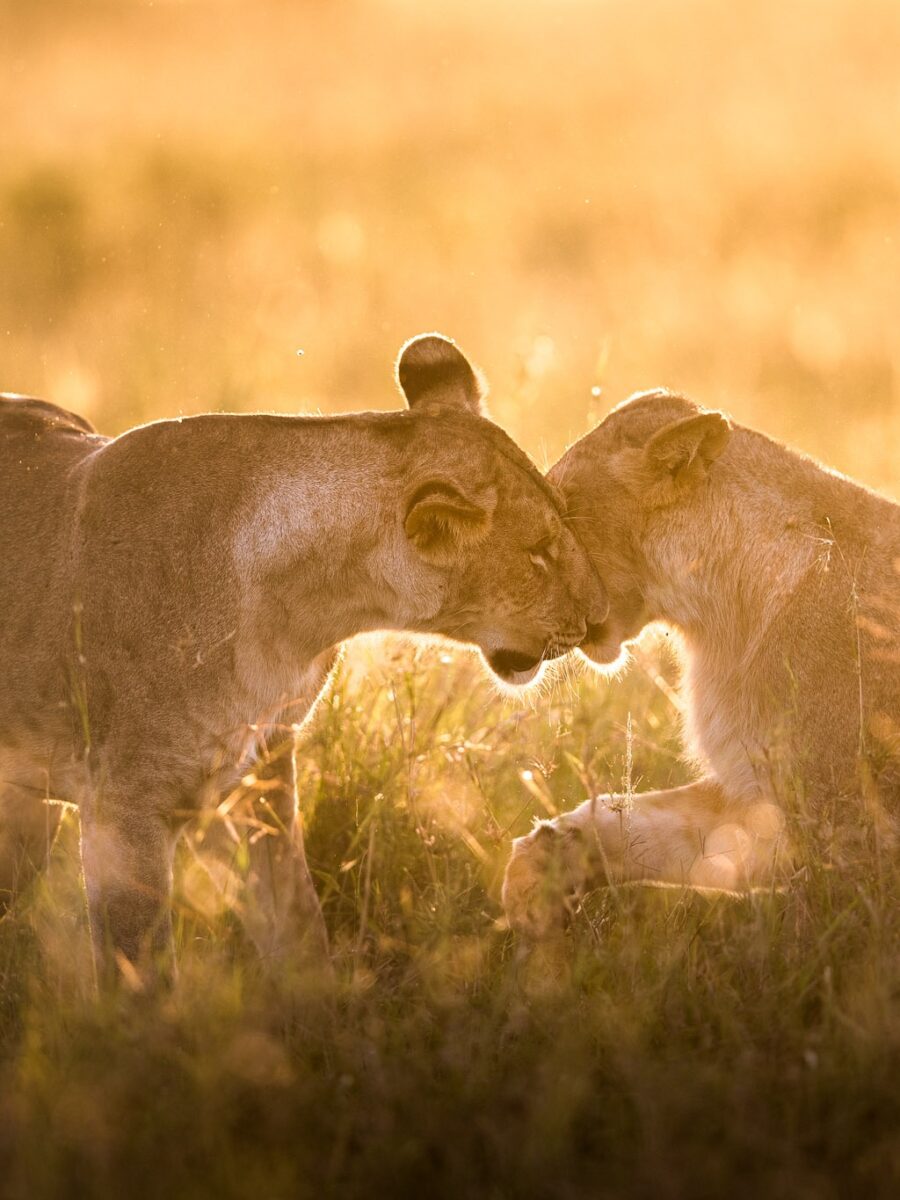
 Kenya
8 nights
Kenya Family Safari
Kenya through a child's eyes. The Mara and Kilimanjaro in eight nights.
View safari

Samburu sits north of the equator in Kenya’s arid frontier country, and everything about it — the light, the vegetation, the wildlife, the Samburu people who have grazed cattle here for centuries — is specific to this latitude and this landscape in a way that makes it genuinely unlike anywhere else in East Africa. The reserve covers roughly one hundred and sixty-five square kilometres of dry riverine forest, rocky scrubland, and open lava-strewn plains along the Ewaso Ng’iro River, a permanent watercourse that sustains an improbable density of wildlife in terrain that would otherwise support very little. The river is the reason everything is here. Without it, this is desert.
The so-called Samburu Special Five are the park’s most celebrated residents — five species found in the northern ecosystem that do not occur in Kenya’s southern parks and cannot be seen anywhere else in the country. The reticulated giraffe, the most geometrically precise of Africa’s three giraffe species, moves through the doum palm forest in groups that seem too large and too deliberate for their surroundings. The Grevy’s zebra, the world’s largest wild equid, grazes the open plains in small bachelor groups or family units, its narrow pinstripe markings and large, rounded ears distinguishing it immediately from the common zebra. The Beisa oryx, built for heat and dry country, stands motionless in the midday sun in a way that reads as indifference. The Somali ostrich, its neck blue rather than pink, is the subtlest of the five. The gerenuk — the giraffe gazelle, standing upright on its hind legs to browse acacia foliage two metres off the ground — is the one that stops most vehicles cold.
The Samburu people remain a visible and active presence throughout the reserve and the surrounding community conservancies, and the best camps here have built long-standing relationships with local communities that produce cultural experiences — warrior walks, beadwork ateliers, evening visits to manyattas — that are genuinely reciprocal rather than performative. The light in Samburu is different from the south: harder, more direct, with a quality of afternoon gold that photographers who have worked both regions consistently prefer for certain subjects. The dry season heat is real. The early mornings, cool and quiet on the riverbank, are among the most rewarding in Kenya.
These can be woven into your safari or treated as standalone days. Tell us which ones move you.
Kenya
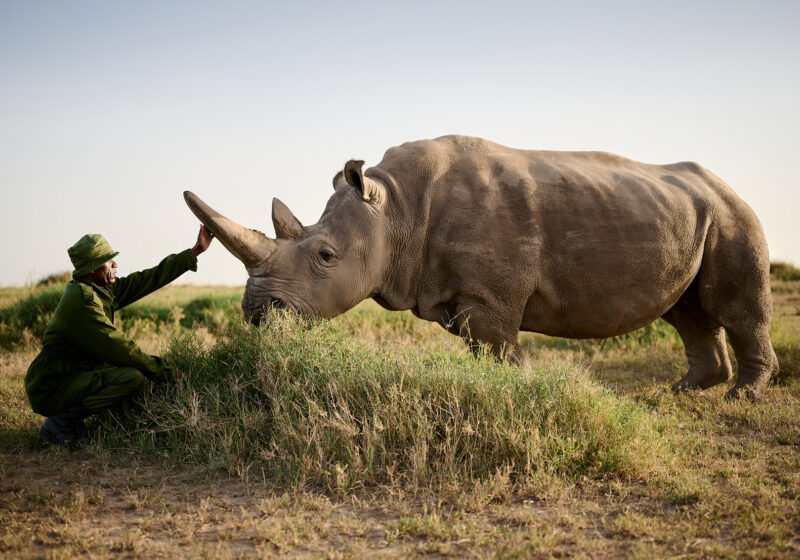
Najin and Fatu are the last two northern white rhinos alive. Both female, both under constant armed guard, both past reproductive age
Learn more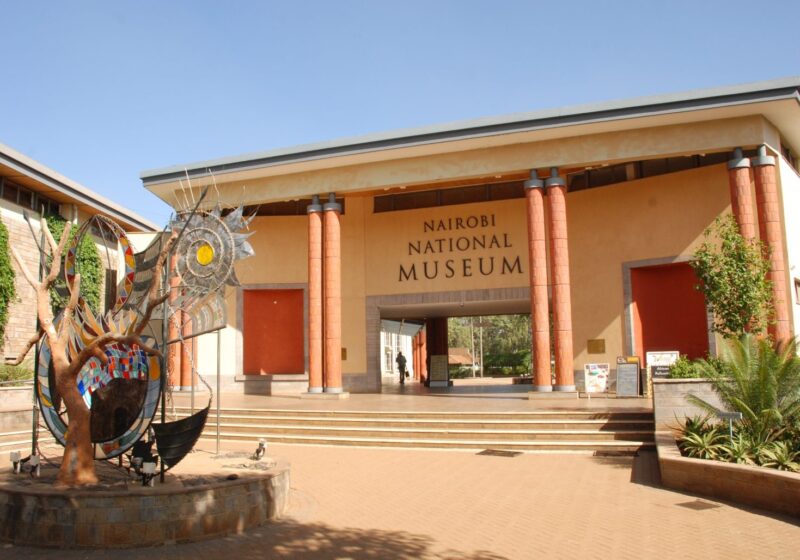
Kenya
The city holds two institutions worth a proper morning: the National Museum of Kenya, with its natural history and prehistory collections
Learn more
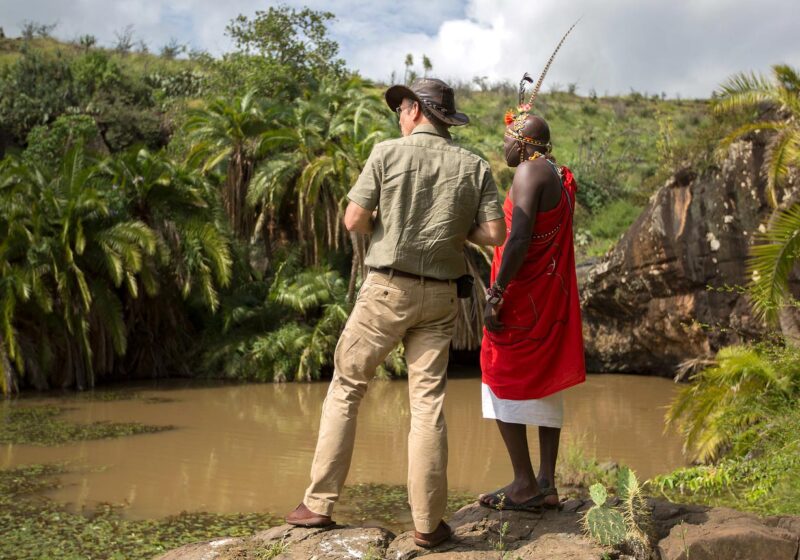
Kenya
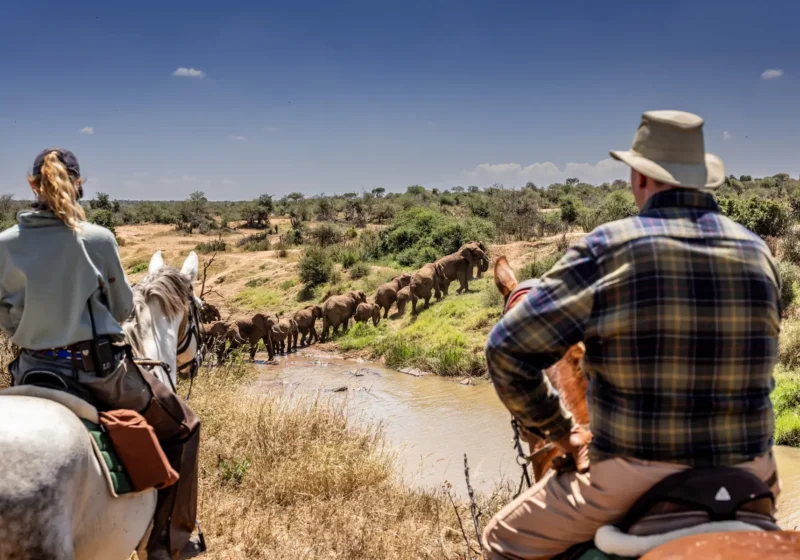
Departing from a conservancy camp at first light, the walk takes in the same terrain covered on a game drive but at a completely different register.
Learn more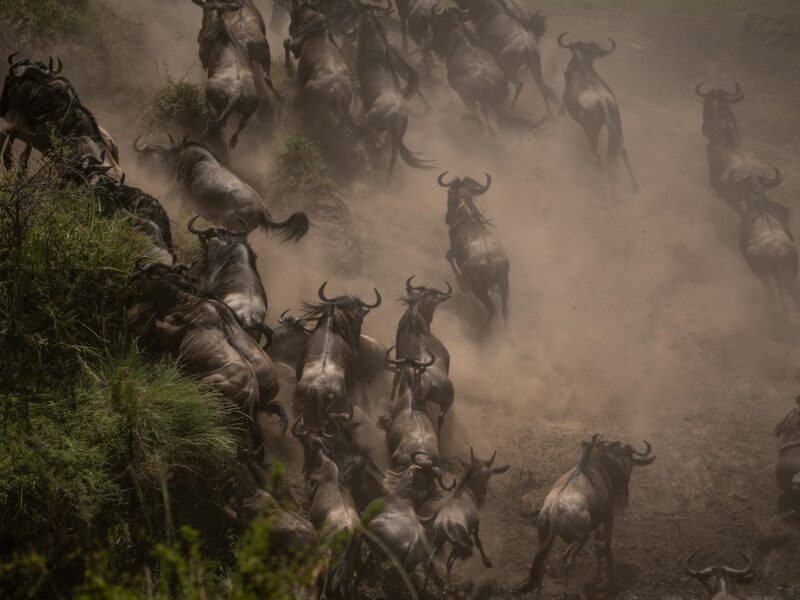
Kenya
Between July and October, the northern Serengeti herds press into Kenya, drawn by the green flush of the Mara's short-grass plains.
Learn moreWe have worked in Samburu National Reserve long enough to know which camps earn their place, which guides change how you see things, and when to be there. Let's talk.
