
The Park
What makes
What makes
South Luangwa National Park.
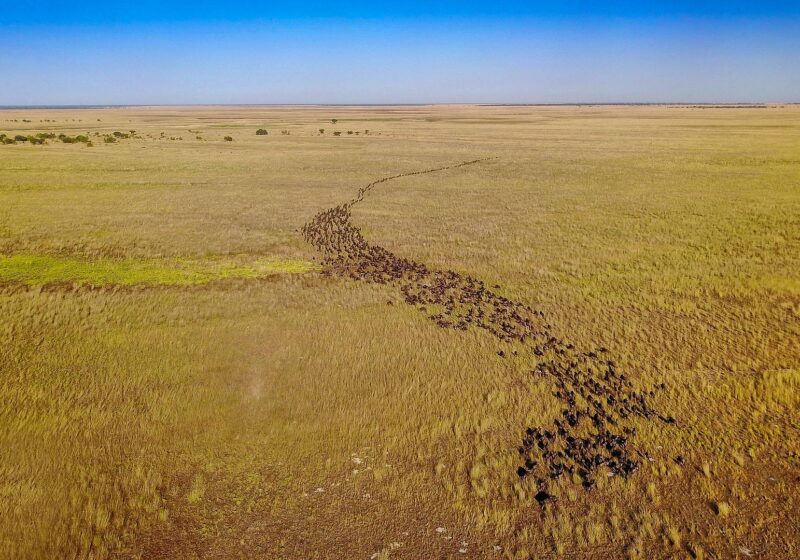
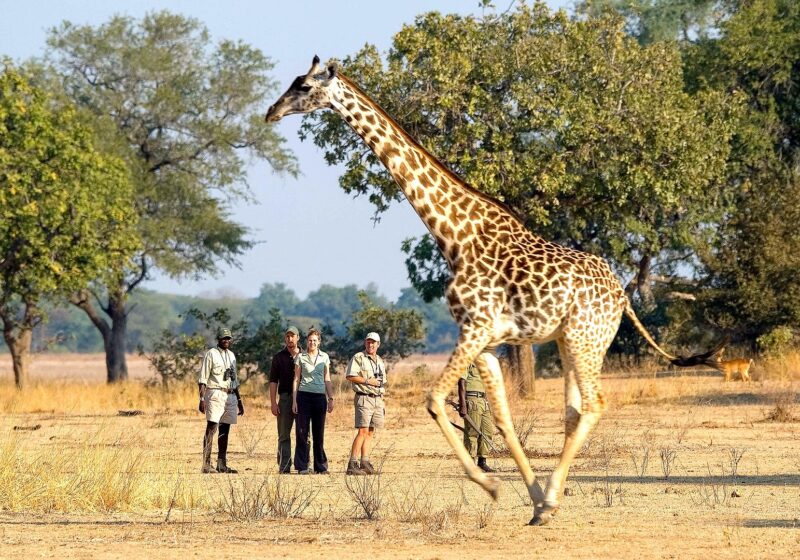
South Luangwa is where the walking safari was born and where it remains, sixty years after Norman Carr introduced the concept, the most refined and most seriously practised in Africa. The nine-thousand-square-kilometre park occupies the southern end of the Luangwa Valley — a geological rift running five hundred kilometres through eastern Zambia, the Luangwa River draining it northward through a landscape of ebony woodland, ox-bow lagoons, and open mopane that sustains one of the continent’s densest concentrations of wildlife in terrain specifically suited to moving through on foot. The river is the organising principle: everything in South Luangwa orients itself around the Luangwa’s seasonal rise and fall, and the camps that line its banks have been watching and interpreting that rhythm for generations.
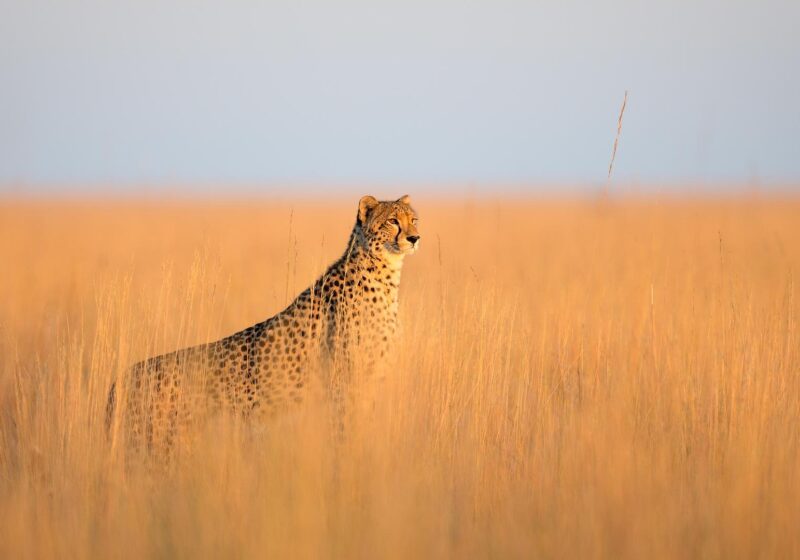
The leopard population in South Luangwa is the highest in Zambia and among the highest in Africa — a consequence of the riverine forest providing ideal denning and hunting habitat, the prey base being consistently strong, and the individual animals having been studied and named by successive generations of guides who know their territories with a precision that makes leopard sightings a matter of method rather than fortune. The Luangwa guides approach a known leopard’s range the way a tracker approaches a specific animal’s last recorded position — systematically, quietly, with the confidence of someone who has done this in this specific place many times before. The result is a leopard encounter rate that consistently exceeds any comparable park in East or southern Africa.
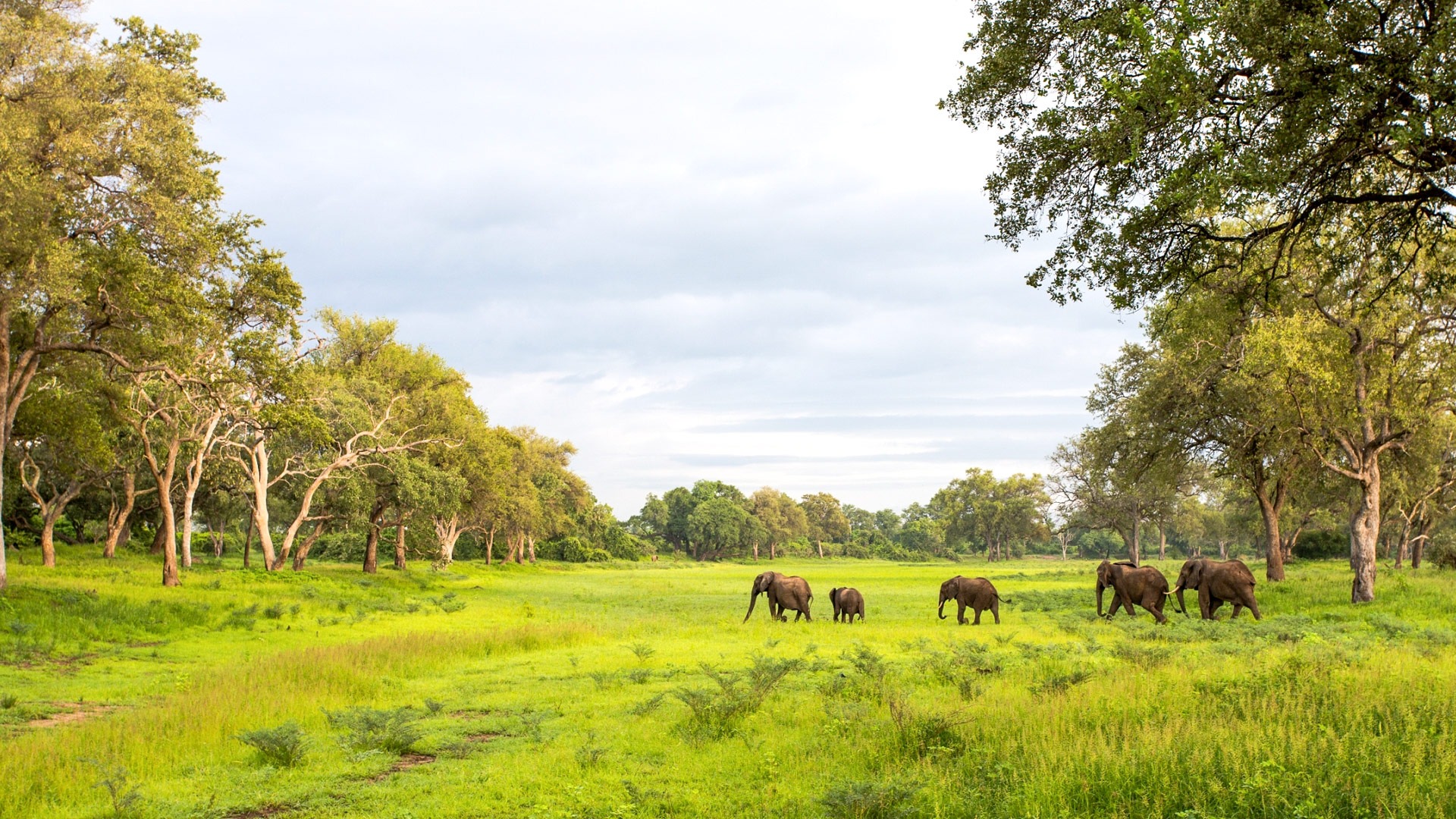
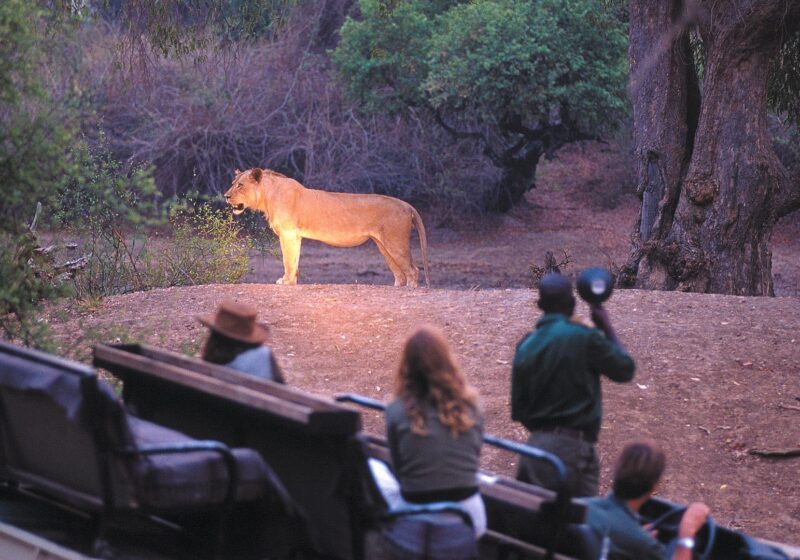
The hippo density along the Luangwa River is the highest of any river system in Africa — the ox-bow lagoons left by the river’s seasonal movement hold pods of thirty and forty animals in the dry season, accessible by vehicle along the river road and on foot with a walking guide who knows which pods are reactive and which can be approached to close range without provoking a response. Elephant gather at the river in herds of several hundred in the peak dry season months. Lion prides work the woodland between the river and the open plain. Wild dog — present in South Luangwa in meaningful numbers, denning in the mopane woodland in the August and September pupping season — are among the most reliably seen in Zambia given the park’s open terrain and the guides’ familiarity with the individual packs. The combination of these species, in a landscape specifically suited to walking through them rather than driving past them, is what South Luangwa has been offering for sixty years and what nothing in African safari travel has yet improved upon.
Key Wildlife
Leopard, lion, elephant, hippo, buffalo, wild dog, hyena, zebra, impala, puku, thornicroft's giraffe, cookson's wildebeest, crocodile, carmine bee-eater
Best Time to Visit
May–October (dry season); June–September optimal for walking safaris and leopard activity; August–September for wild dog denning and carmine bee-eater colonies
Best For
Walking safari specialists, first-time Zambia visitors, leopard enthusiasts, returning safari-goers, photographers, those combining with Lower Zambezi or North Luangwa
Add to Your Journey
Experiences worth
Experiences worth
adding.
These can be woven into your safari or treated as standalone days. Tell us which ones move you.
1 / 6
South Luangwa National Park is best understood
from inside it.
We have worked in South Luangwa National Park long enough to know which camps earn their place, which guides change how you see things, and when to be there. Let's talk.